
Introduction
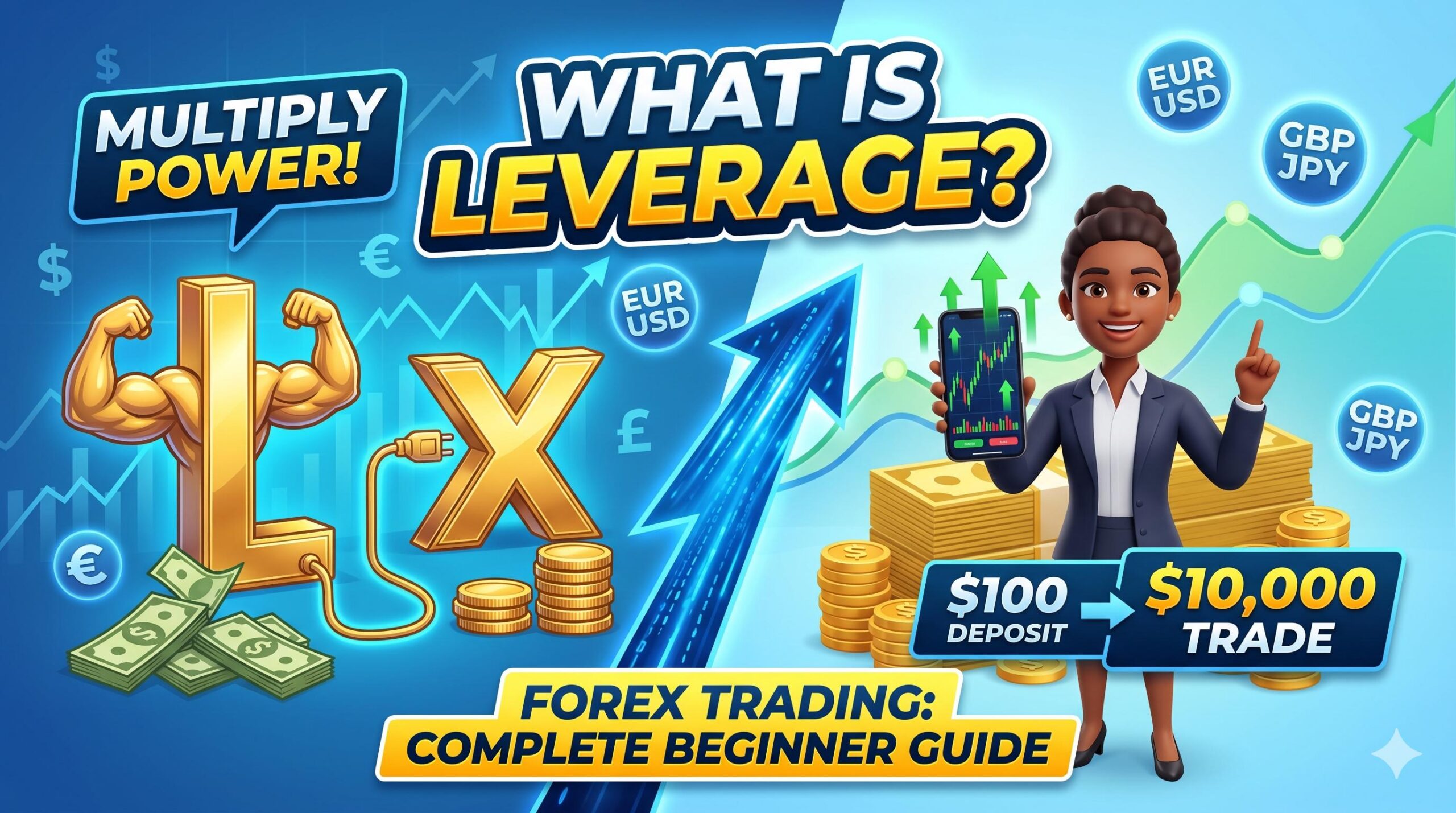
So, Let Us Jump Into The Main Question With: “What Is Leverage In Forex Trading?”, you can consider this as type of a monetary commodity being made available by your broker that enables you to trade large quantities of currency with only a small portion of your very own investment. Simply put, leverage is using borrowed money to increase your position in trading beyond what you would have been able to do with just your cash balance.
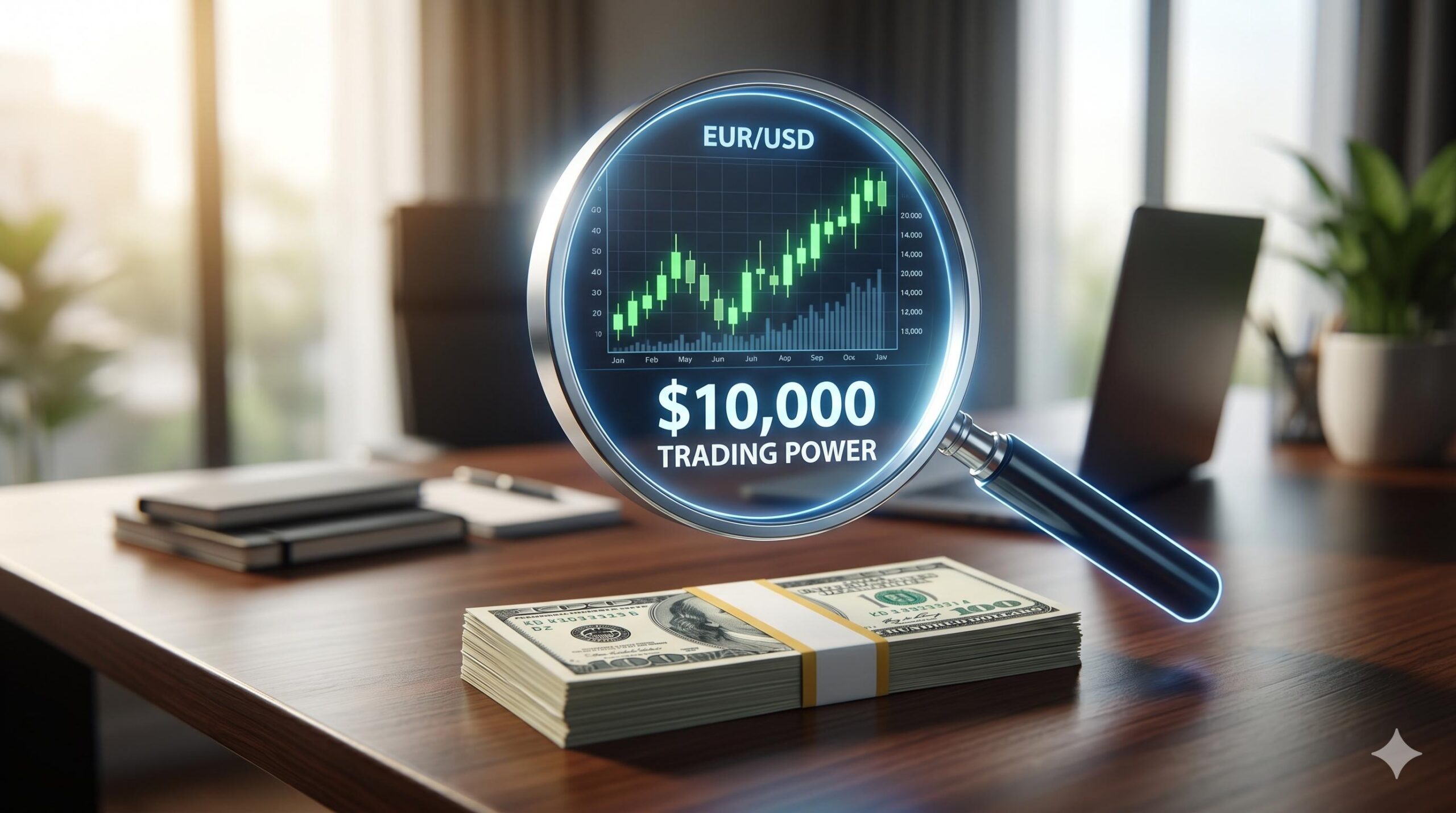
For example, if you have $100, and are using 1:100 leverage, then you control something worth $10,000 or worth nothing. It does increase how much you can trade, but also magnifies your likely wins and losses so leverage is one of the key lessons for any new trader.
Disclaimer: The information provided on earnfx.ng is for educational purposes only and does not constitute financial advice. Forex trading involves significant risk, and it is possible to lose your capital.
Table of Contents
How Leverage Works: The Power of the Ratio
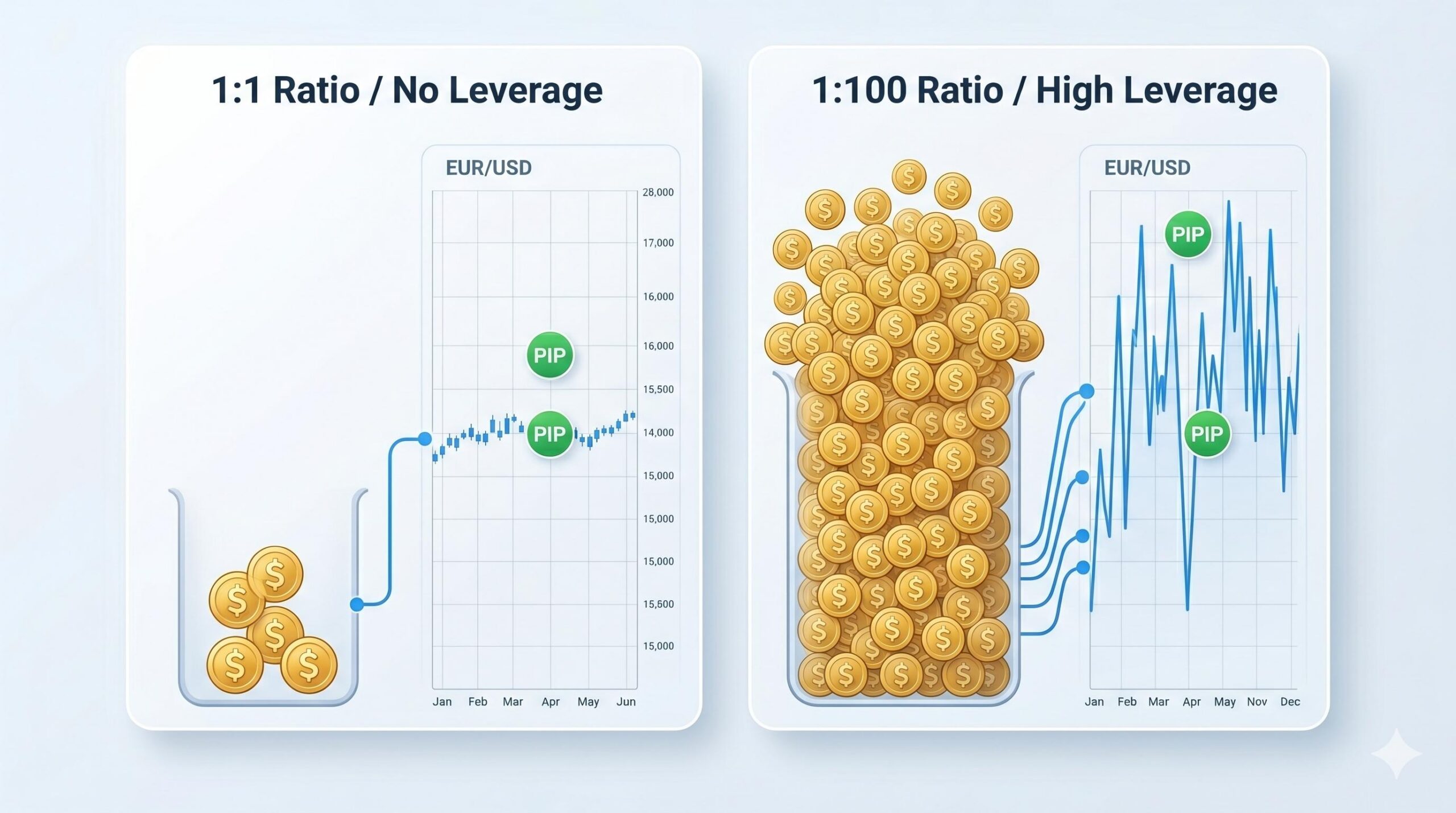
When you see leverage mentioned in forex, it is always shown as a ratio. This ratio tells you how many times your personal capital is being multiplied.
Common Leverage Ratios
- 1:10: You control $10 for every $1 you deposit.
- 1:100: You control $100 for every $1 you deposit.
- 1:500: You control $500 for every $1 you deposit.
In Nigeria, many brokers offer very high leverage to attract beginners. However, it is important to understand that higher leverage does not mean higher skill. It simply means you are taking a larger “loan” from the broker to enter the market. Because currency prices usually move by less than 1% a day, leverage is used to turn these tiny movements into significant results.
Leverage vs. Margin: Understanding the Difference
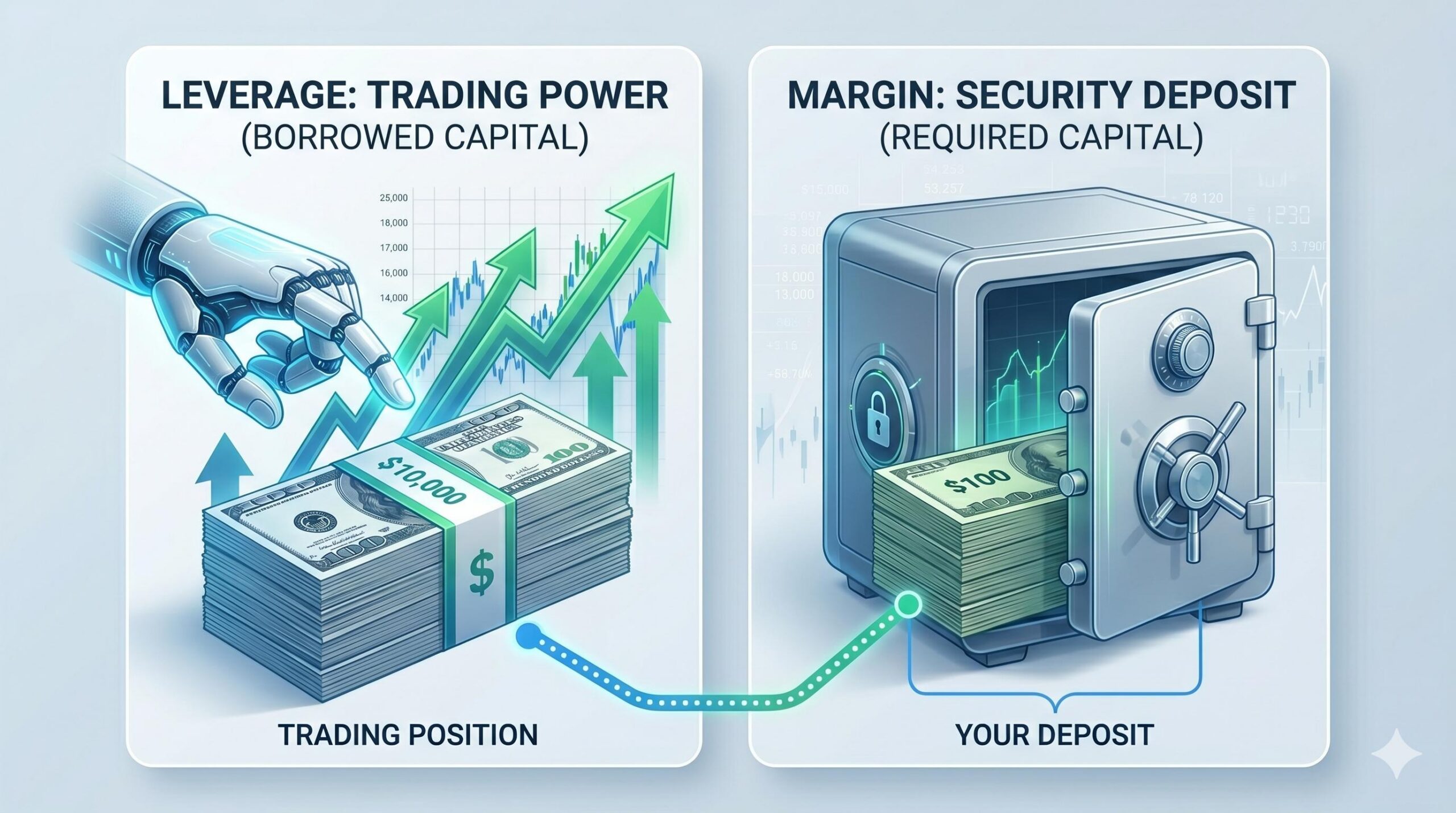
While people often use these terms interchangeably, they represent two sides of the same coin.
- Leverage is the increased power to trade.
- Margin is the required deposit to keep that power active.
Think of it like buying a house. The Leverage is the mortgage the bank gives you to buy a house worth more than your savings. The Margin is the down payment you must provide to secure that mortgage.
Margin Requirement Table
| Leverage Ratio | Margin Requirement (%) | Amount needed for a $100,000 trade |
| 1:1 (No Leverage) | 100% | $100,000 |
| 1:10 | 10% | $10,000 |
| 1:100 | 1% | $1,000 |
| 1:500 | 0.20% | $200 |
As shown above, as the leverage increases, the amount of your own money required (margin) decreases. This is why leverage is so popular for beginners with small accounts.
The Risk of “The Double-Edged Sword”
The biggest mistake a beginner can make is only looking at the “upside” of leverage. Because leverage multiplies your position size, it also multiplies how much you lose if the price moves against you.
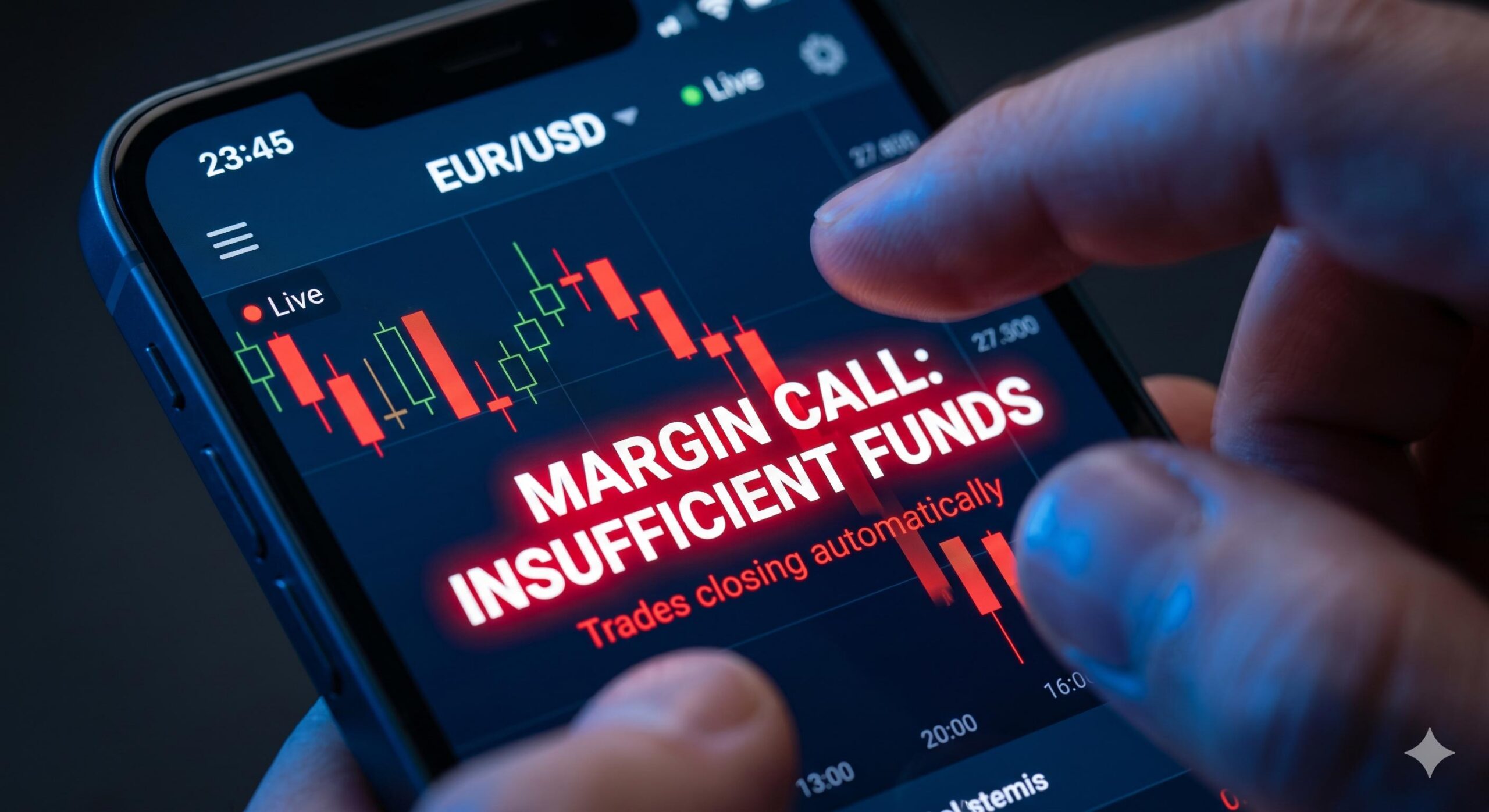
Crucial Warning: If you use 1:500 leverage, your account is extremely sensitive. A very small move in the wrong direction could trigger a Margin Call, where the broker automatically closes your trades because you no longer have enough money to cover the potential losses.
How to Read Forex Charts Easily: A Complete Beginner’s Guide
Frequently Asked Questions (FAQ)
1. Is leverage a loan that I have to pay back?
No, it is not a traditional loan. You don’t have to pay interest on the leverage itself like a bank loan. However, you do pay “swap” or “rollover” fees if you keep a leveraged position open overnight. The broker provides the leverage so you can trade; they take the money back automatically when you close the trade.
2. Can I lose more than I deposit?
Most modern brokers in Nigeria offer Negative Balance Protection. This means that even with high leverage, your account balance cannot go below zero. You can lose all the money you deposited, but you won’t end up owing the broker extra money.
3. What is the best leverage for a beginner?
For beginners, “less is more.” While it is tempting to use 1:500, most professional educators recommend starting with 1:10 or 1:30. This gives you enough power to see results but provides a safety buffer so a single mistake doesn’t wipe out your account.
4. Does leverage make me a better trader?
Absolutely not. Leverage is just a tool. A bad strategy will lose money faster with high leverage, while a good strategy will grow steadily with controlled leverage. Education and discipline are what make a trader successful, not the size of their leverage.
5. Why do brokers offer such high leverage?
Brokers offer high leverage because it encourages more trading activity. Since brokers often earn money from the “spread” (the difference between the buy and sell price), more trades mean more revenue for them. You must be responsible for your own risk management.
Practical Factors for Nigerian Traders
In the Nigerian context, the exchange rate of the Naira can be volatile. If you are trading a US Dollar-based account, your margin requirements are effectively tied to the current exchange rate.
- Capital Protection: If you have 500,000 Naira in your account, using high leverage could see that entire amount vanish in minutes during high-market volatility (like an inflation report or interest rate change).
- Internet Latency: In fast-moving leveraged trades, a few seconds of internet lag can be the difference between a small loss and a total account wipeout. Lower leverage gives you more “breathing room” if your connection drops.
Conclusion
What Is Leverage in Forex Trading Are the Synonyms to Responsible Traden Control it is an excellent tool that balances the balance for small retail traders to enter a market that was once reserved only for big banks. But one must respect its power. Using high leverage is one of the most reasons why 90% of new markets lose all their capital in a few months. Keep your leverage low, use stop-losses and pay attention on education here at earnfx.
While usingng, you can use leverage as an assistive tool and not that of a deadly trap. Trading is never about “getting rich quick” with 50x or 100x leverage, but rather having a steady and disciplined approach that preserves your capital and grows it slowly with time. So starting small, staying informed and always controlling your risk.