
Introduction
An xm real account is a live financial trading environment provided by the brokerage firm XM, where individuals deposit their own actual funds to participate directly in the global foreign exchange (forex) market. Unlike a virtual demo account used for practice, every single trade executed within an xm real account utilizes your personal capital. This means that your exposure to the market, along with all associated financial risks, is entirely real.

For a beginner in Nigeria, opening this live account marks the serious transition from simulated learning to active market participation. Because the global currency market is highly volatile and complex, understanding exactly how this live environment operates—and the strict discipline required to manage it—is mandatory before making any financial commitment.
Important Educational Disclaimer: Trading involves significant risk and a high potential for financial loss. You could lose some or all of your initial deposit. This article is strictly for educational purposes only and does not constitute financial advice. Never trade with money you cannot afford to lose.
Table of Contents
The Core Difference: XM Real Account vs. Demo Account
Before exploring the technical details, it is crucial to understand the fundamental shift that occurs when you move from a practice environment to an xm real account.
A demo account perfectly mirrors the live market, providing the same charts, price feeds, and analytical tools. However, it is funded with virtual money. When you transition to an xm real account, the mathematical mechanics of the platform remain identical, but the psychological environment changes drastically.
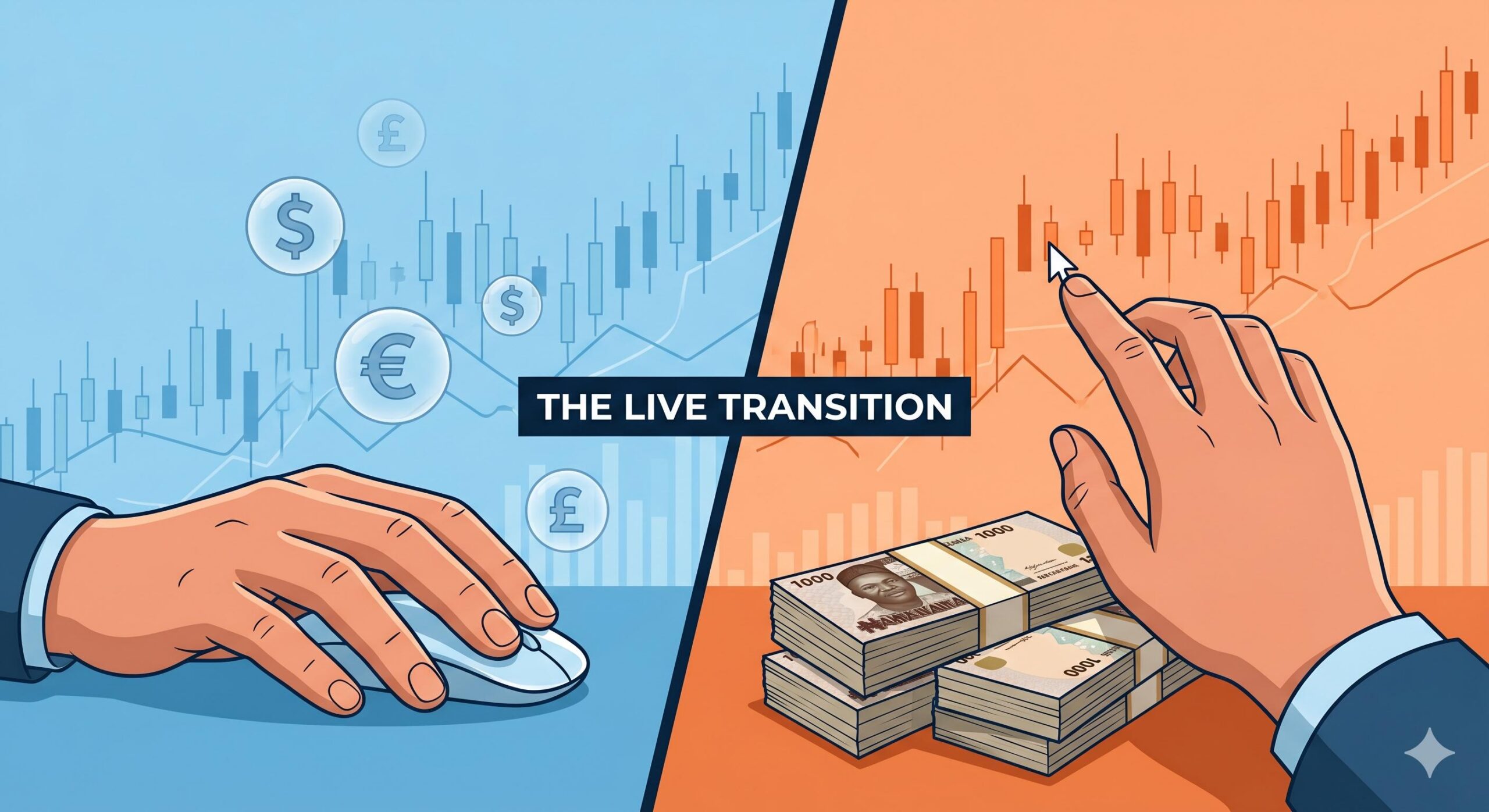
In a live account, the fear of losing your hard-earned Naira and the emotional stress of watching live trades fluctuate can cause beginners to abandon their educational trading plans. The primary purpose of understanding the xm real account is recognizing that managing your own psychology and emotions is just as important as reading a currency chart. This is why financial educators universally recommend spending several months mastering a demo account before ever exposing real capital to the live markets.
Types of Accounts: Choosing Your Risk Exposure
When setting up an xm real account, users are presented with different account tiers. These are not designed to guarantee different results; rather, they are structured to accommodate different levels of risk tolerance and capital sizes. Understanding these variations is a key part of forex education.
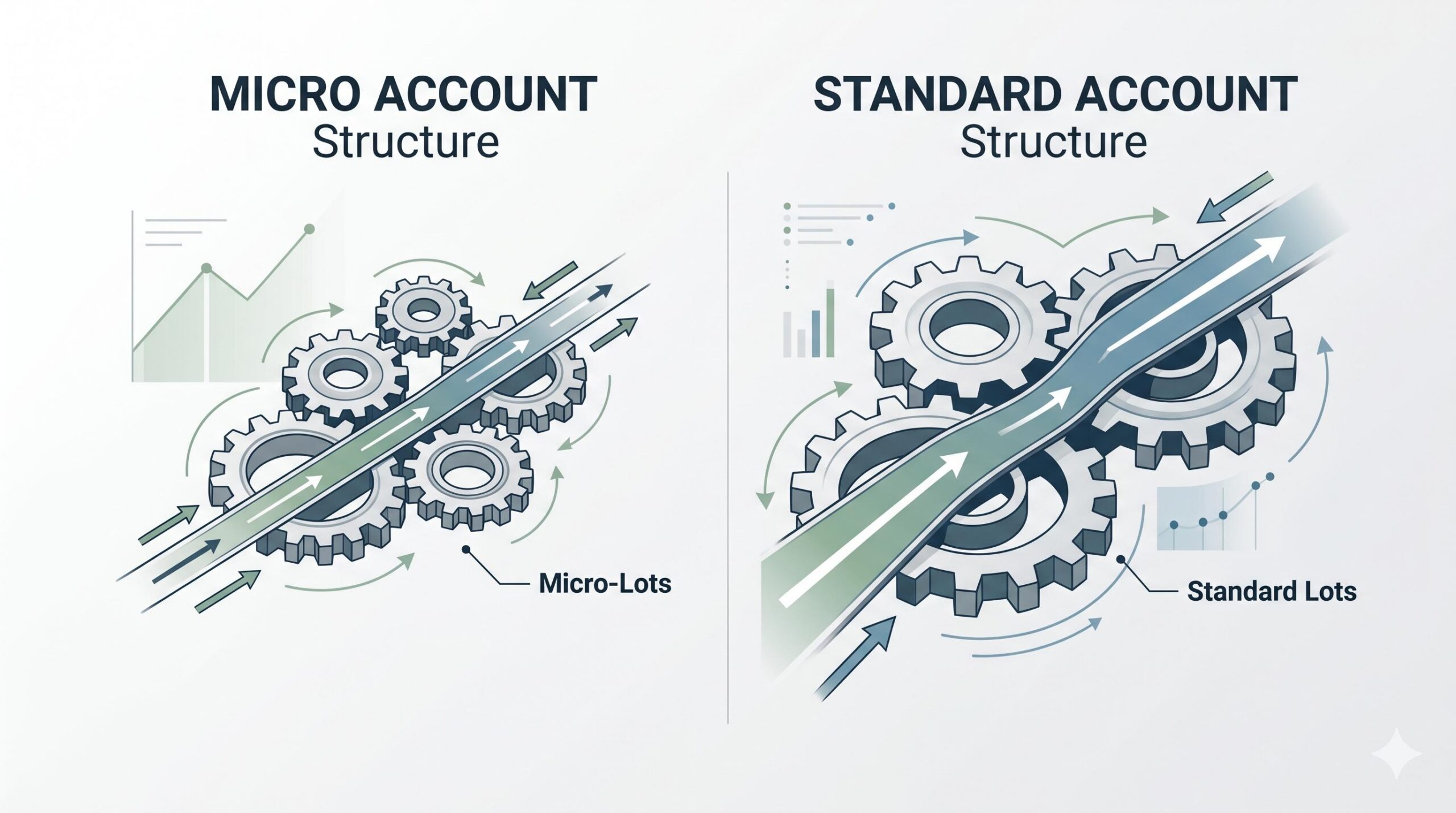
- The Micro Account: This is generally the most appropriate xm real account for absolute beginners who have completed their demo training. In a micro account, currency is traded in “micro-lots” (1,000 units of currency) rather than standard lots (100,000 units). This significantly reduces the monetary value of every price movement, allowing beginners to experience live market conditions with the smallest possible financial exposure.
- The Standard Account: This xm real account uses standard lot sizing. It is designed for individuals who have a thorough understanding of market mechanics, a tested trading strategy, and a larger capital base to absorb standard market fluctuations.
- The Ultra Low Account: This version alters how the broker charges for access to the market, typically offering tighter “spreads” (the difference between the buy and sell price) but may have different minimum requirements.
For a learner in Nigeria, focusing on the micro structure is the most responsible way to approach an xm real account, as it prioritizes capital preservation over exposure.
The Verification Process (KYC) in Nigeria
You cannot simply deposit money and start trading anonymously. Global financial regulations require brokers to verify the identity of every individual who opens an xm real account. This process is known as KYC (Know Your Customer), and it is designed to prevent financial fraud, identity theft, and money laundering.
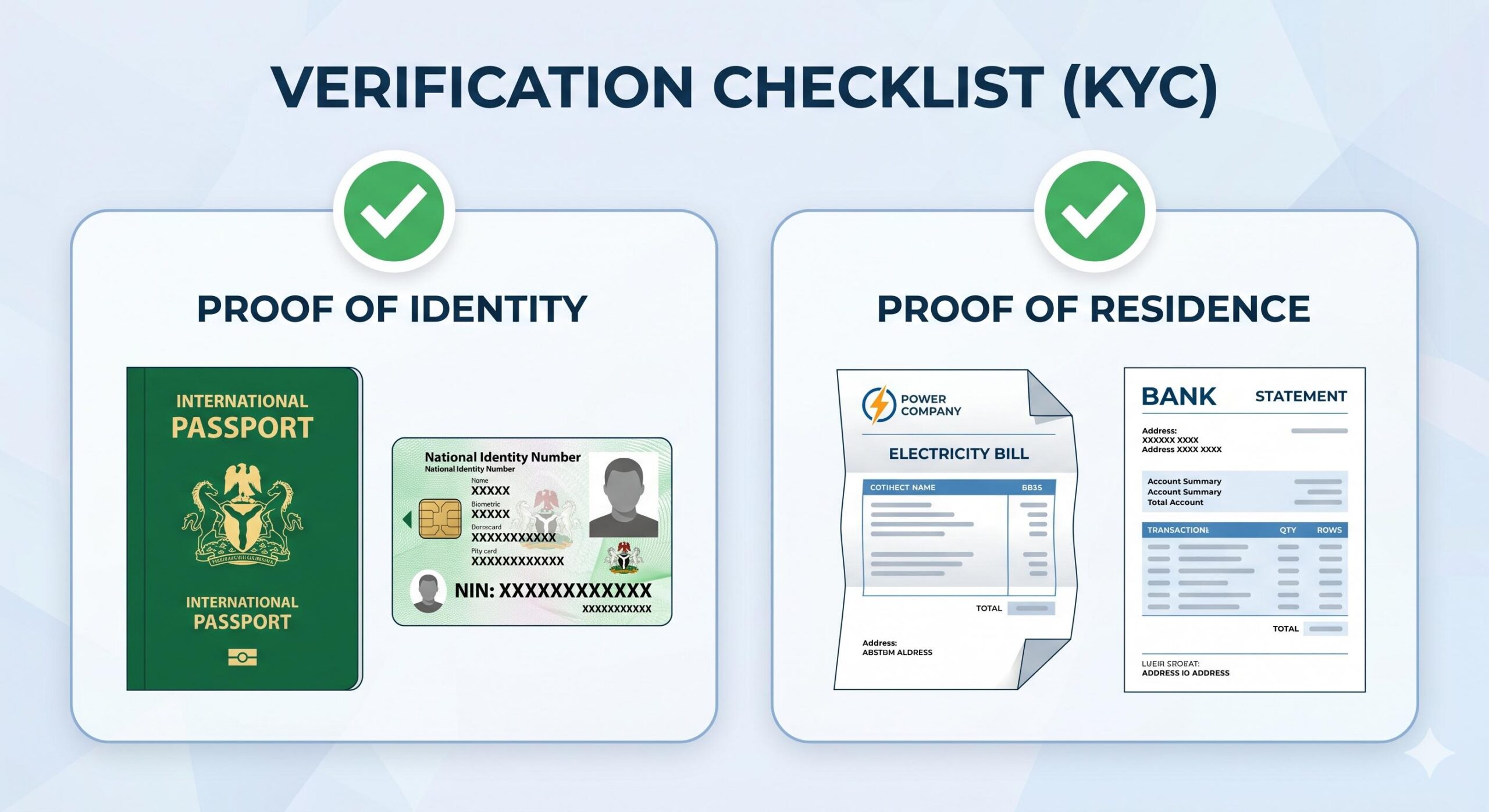
To fully activate an xm real account in Nigeria, you will be required to upload specific documentation:
- Proof of Identity: A government-issued document that clearly shows your full name, date of birth, and photograph. For Nigerians, this typically means providing a valid International Passport, a National Identity Card (NIN slip), or a Driver’s License.
- Proof of Residence: A formal document verifying your current physical address. This must usually be dated within the last three to six months. Acceptable documents often include a recent utility bill (electricity or water) or a formal bank statement that clearly displays your name and residential address.
This verification is a mandatory legal step. Your xm real account will remain restricted—meaning you cannot withdraw funds—until these documents are reviewed and approved by the broker’s compliance team.
Managing Leverage in an XM Real Account
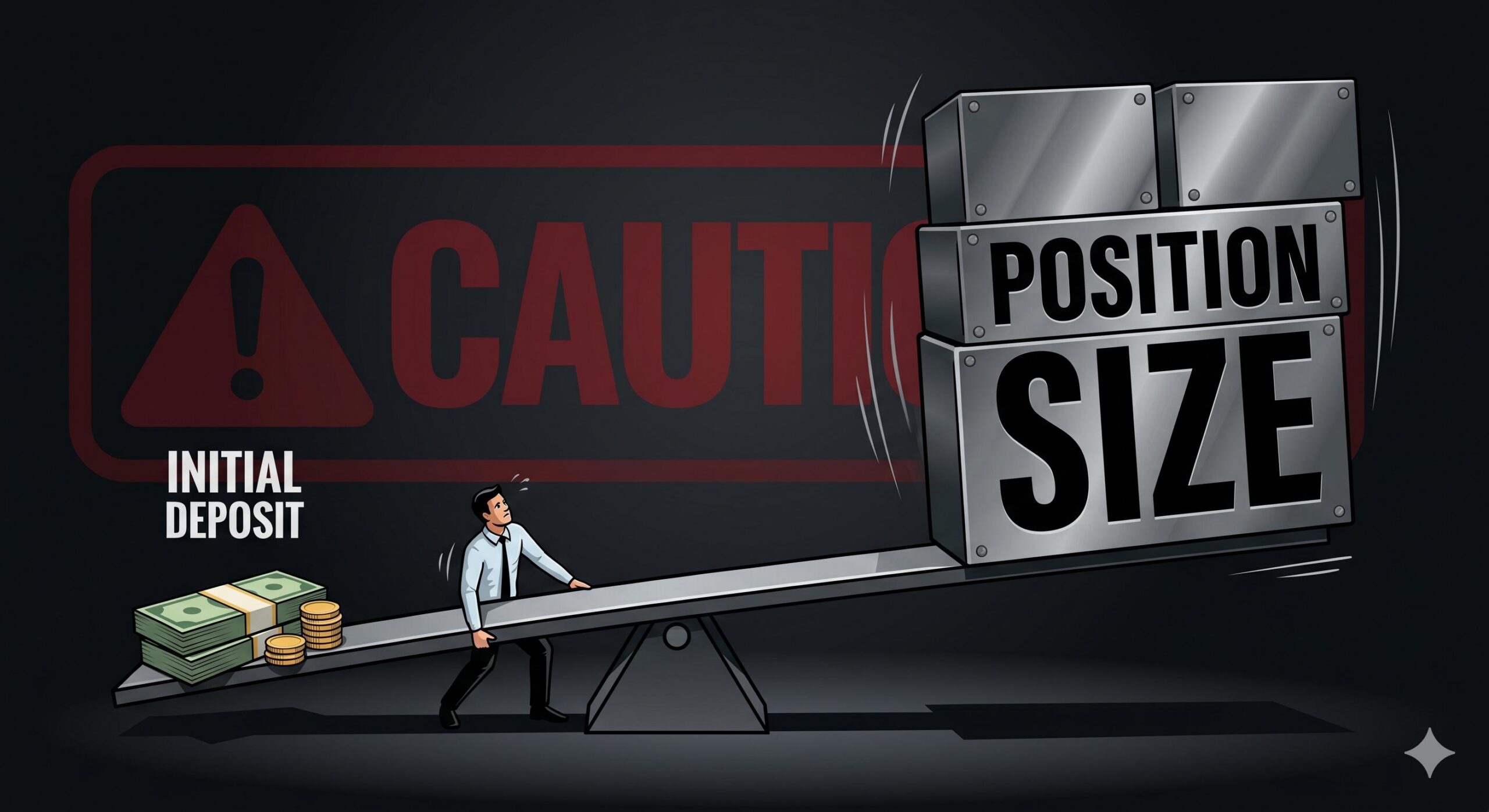
The most dangerous concept a beginner will encounter when operating an xm real account is leverage. Leverage is essentially a credit facility provided by the broker. It allows you to control a very large market position using a relatively small amount of your own deposited capital.
For instance, if your xm real account utilizes a leverage ratio of 1:50, it means that for every $1 of your own money, you can control $50 in the forex market. While this amplifies the size of your trade, it simultaneously magnifies your financial risk. If the market moves against your prediction, your losses are calculated based on the leveraged amount, not just your initial deposit.
A sudden economic news event can cause severe market spikes, and if an xm real account is over-leveraged, the entire account balance can be wiped out in minutes. Responsible forex education dictates that beginners should manually lower their leverage settings within their account dashboard to the absolute minimum to protect their funds from rapid depletion.
Capital Protection and Risk Management
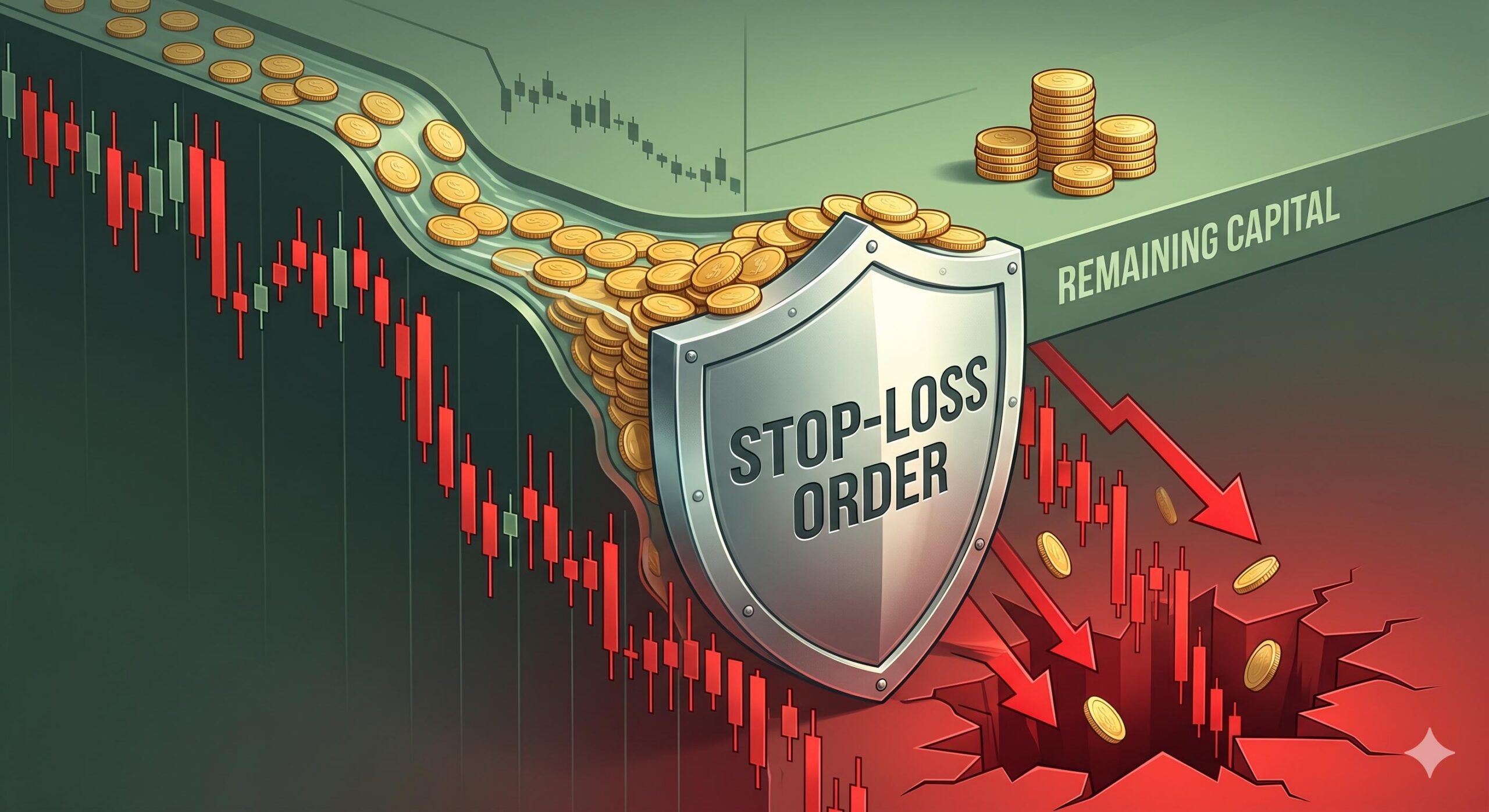
Opening an xm real account is only the administrative first step; surviving the live market requires rigid risk management. The goal of a beginner should never be to make money, but rather to protect their capital while learning how the market truly breathes.
To safeguard the funds in your xm real account, adhere strictly to these educational principles:
- The 1% Rule: Never risk more than 1% to 2% of your total account balance on a single trade. If you deposit $100 into your xm real account, your maximum acceptable loss for any single trade should be no more than $1 to $2.
- Mandatory Stop-Loss Orders: A stop-loss is an automatic, non-negotiable instruction placed in your trading terminal. It tells the broker to immediately close your trade if the market moves against you by a specific amount. Operating an xm real account without a stop-loss is identical to driving a car without brakes; it guarantees eventual financial ruin.
- Avoid Overtrading: Beginners often feel the need to be constantly engaged in the market. Entering multiple trades simultaneously divides your attention and multiplies your risk exposure.
How to Identify the Top 10 Forex Brokers: A Beginner’s Guide in Nigeria
Frequently Asked Questions (FAQs)
What is the minimum deposit for an XM real account in Nigeria? The minimum deposit to open a standard or micro xm real account is typically $5 USD. For Nigerian traders, this amount will be converted into Naira based on the prevailing exchange rate at the time of your deposit. However, financial educators strongly recommend focusing on risk management rather than just meeting the absolute minimum requirement.
How do I verify my XM real account? To comply with global financial regulations, you must verify your identity (KYC). You will need to upload a clear copy of a government-issued ID (like an International Passport or NIN slip) and a recent proof of residence (such as a utility bill or bank statement showing your address) directly into your account dashboard.
Can I have both a demo account and an XM real account? Yes, you can hold both simultaneously. In fact, it is highly recommended. Beginners should maintain an active demo account to safely test new strategies and understand market movements without risking the capital held in their active xm real account.
Is an XM real account safe for absolute beginners? The platform itself is secure and regulated, but the forex market is inherently dangerous for beginners due to extreme volatility. An xm real account is only “safe” if the beginner has spent months educating themselves, understands how to strictly limit leverage, and never trades without a predefined stop-loss order to protect their funds.
Conclusion
Understanding the mechanics of an xm real account is essential for anyone looking to transition into the live forex market. It represents real financial exposure, requiring verified identity documentation, a clear understanding of account types, and an absolute respect for the dangers of leverage.
For beginners in Nigeria, the journey should not begin with depositing funds. It must start with thorough financial education and months of disciplined practice on a virtual demo platform. When the time eventually comes to open a live xm real account, it must be treated with caution, utilizing micro-lots and strict stop-loss rules to ensure that your introduction to global finance is a safe, educational experience rather than a costly mistake. Keep learning, prioritize capital protection, and remember that patience is your greatest asset in the financial markets.