
Introduction
If you are just starting your forex journey in Nigeria, you have likely seen advertisements for programs that promise to trade the markets for you. But what exactly is trading automation software, and is it safe for beginners?
Simply put, trading automation software is a specialized computer program connected to your trading platform that automatically executes buy and sell orders based on a strict set of pre-programmed rules. Instead of manually staring at price charts all day, a trader sets specific conditions—like entering a trade when a certain price is reached—and the software handles the execution.
While the idea of “hands-free” trading sounds appealing, the reality is much more complex. In this beginner’s guide, we will break down exactly how these algorithms work, why traders use them, and the hidden risks you must be aware of.
(Disclaimer: This article is for educational purposes only and does not constitute financial advice. Forex trading involves substantial risk, and you can lose your capital. Using automated tools does not guarantee profits or eliminate market risk.)
Table of Contents
How Trading Automation Software Works
T ino understand trading automation software, you must understand that computers do not have intuition. They only follow strict, mathematical logic. The software relies on an “algorithm,” which is simply a fancy word for a step-by-step recipe.
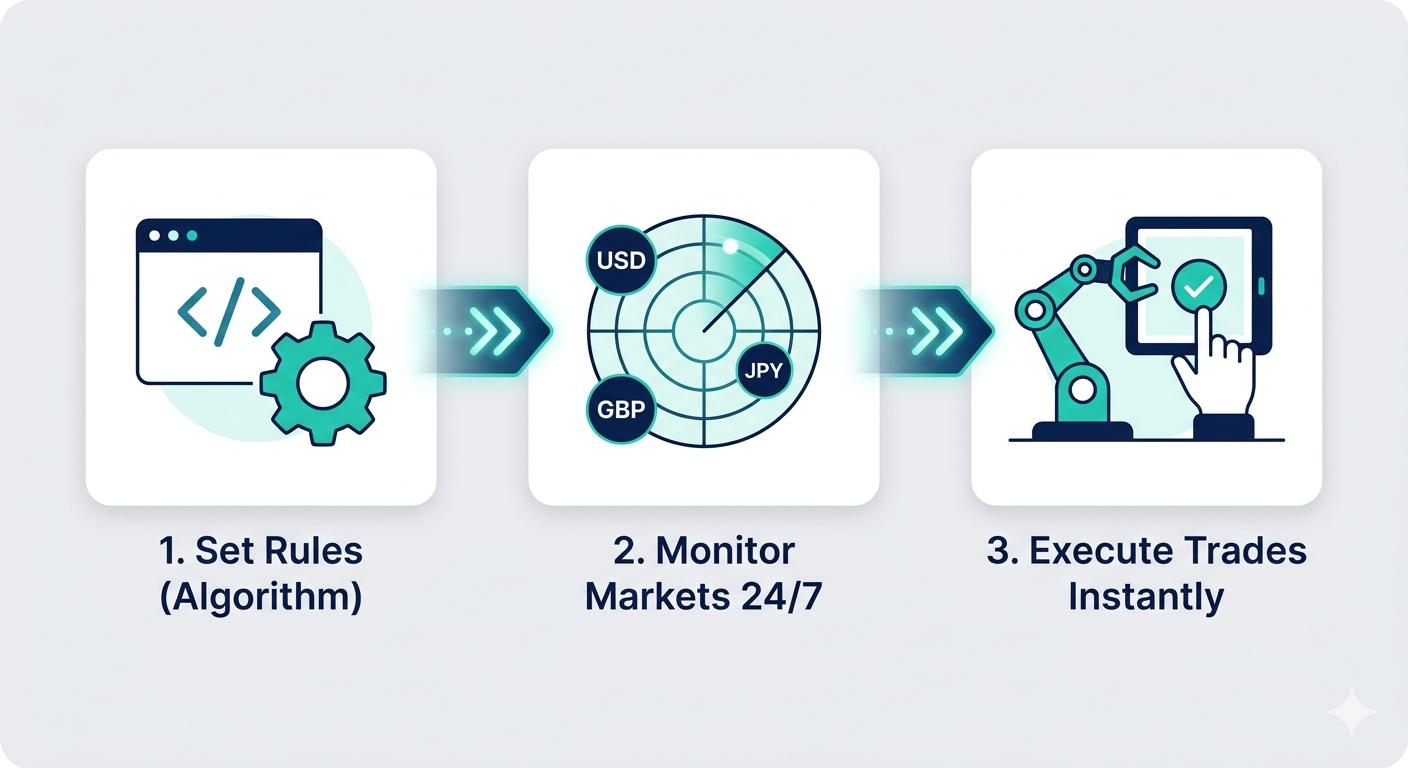
Here is how the process generally works in the forex market:
- The Rules (The Strategy): A trader or programmer defines the trading rules. This could be based on technical indicators, such as moving averages or price action. For example, the rule might be: “If the price of EUR/USD goes above X, and indicator Y shows an upward trend, then prepare to buy.”
- The Monitoring: The trading automation software connects to your trading platform. It watches the live market data constantly, comparing the current price movements against the rules you have set.
- The Execution: The moment the market conditions perfectly match the pre-programmed rules, the software instantly executes the trade. It will also automatically apply risk management rules, such as a Stop Loss (to close the trade if it goes wrong) and a Take Profit (to close the trade when a target is reached).
Common Types of Automation in Forex
When you hear about trading automation software in the forex industry, it usually falls into one of a few categories. Understanding these terms will help you navigate your educational journey.
- Expert Advisors (EAs): This is the most common term used by retail forex traders. EAs are specific types of trading automation software built to run on popular trading platforms like MetaTrader 4 (MT4) or MetaTrader 5 (MT5). They are written in specific programming languages to interact directly with the platform’s charts.
- Trading Bots: This is a more general term for software that automates trading. Bots can be used in forex, crypto, or the stock market. They function similarly to EAs but might operate outside of standard trading platforms via API connections.
- Copy Trading Scripts: While slightly different from algorithmic EAs, copy trading relies on trading automation software to link your account to another trader’s account. When they place a trade, the software automatically copies that exact trade into your account in real-time.
Why Do Traders Use Automation? (The Educational Theory)
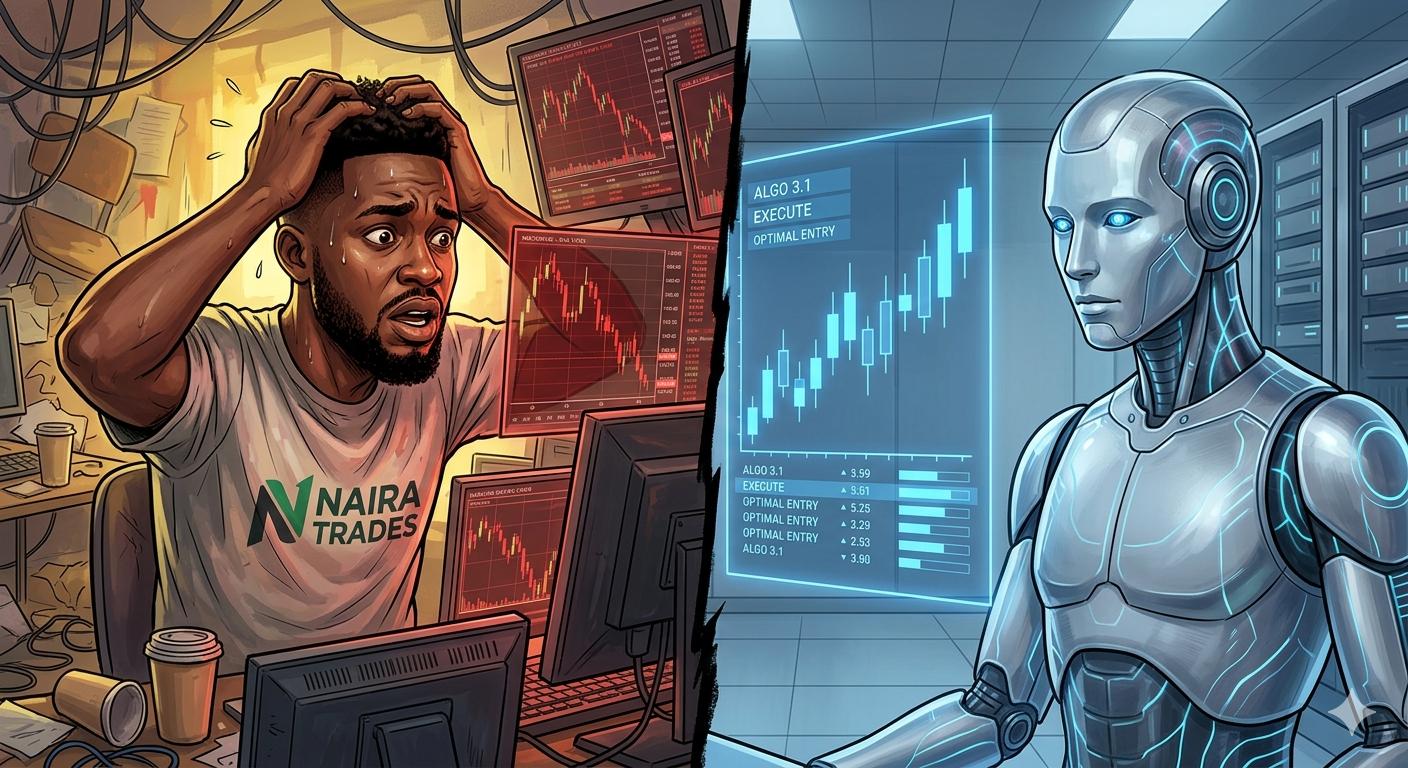
Traders study and develop trading automation software to solve common human problems in trading. As a beginner in Nigeria, you might wonder why someone would let a computer trade for them. Here are the theoretical advantages:
Removing Human Emotion
One of the biggest challenges in forex trading is managing emotions. Fear can cause a trader to close a trade too early, and greed can cause them to risk too much. Trading automation software does not feel fear or greed. It executes the strategy exactly as written, bringing discipline to the process.
Speed and Efficiency
The forex market moves incredibly fast. A human might take a few seconds to analyze a chart, calculate lot sizes, and click “buy.” Trading automation software can process complex data and execute an order in a fraction of a second, which is critical during highly volatile market conditions.
Backtesting Capabilities
Before running an automated strategy live, traders use a process called “backtesting.” This allows the trading automation software to run its rules against years of historical market data. By doing this, a trader can see how the strategy would have performed in the past. While past performance never guarantees future results, backtesting is a vital educational tool to see if a strategy makes logical sense.
The Hidden Risks of Trading Automation Software
A common misconception among beginners is that trading automation software is a “set-and-forget” money machine. This is entirely false. Automated trading carries significant, unique risks that every beginner must understand.
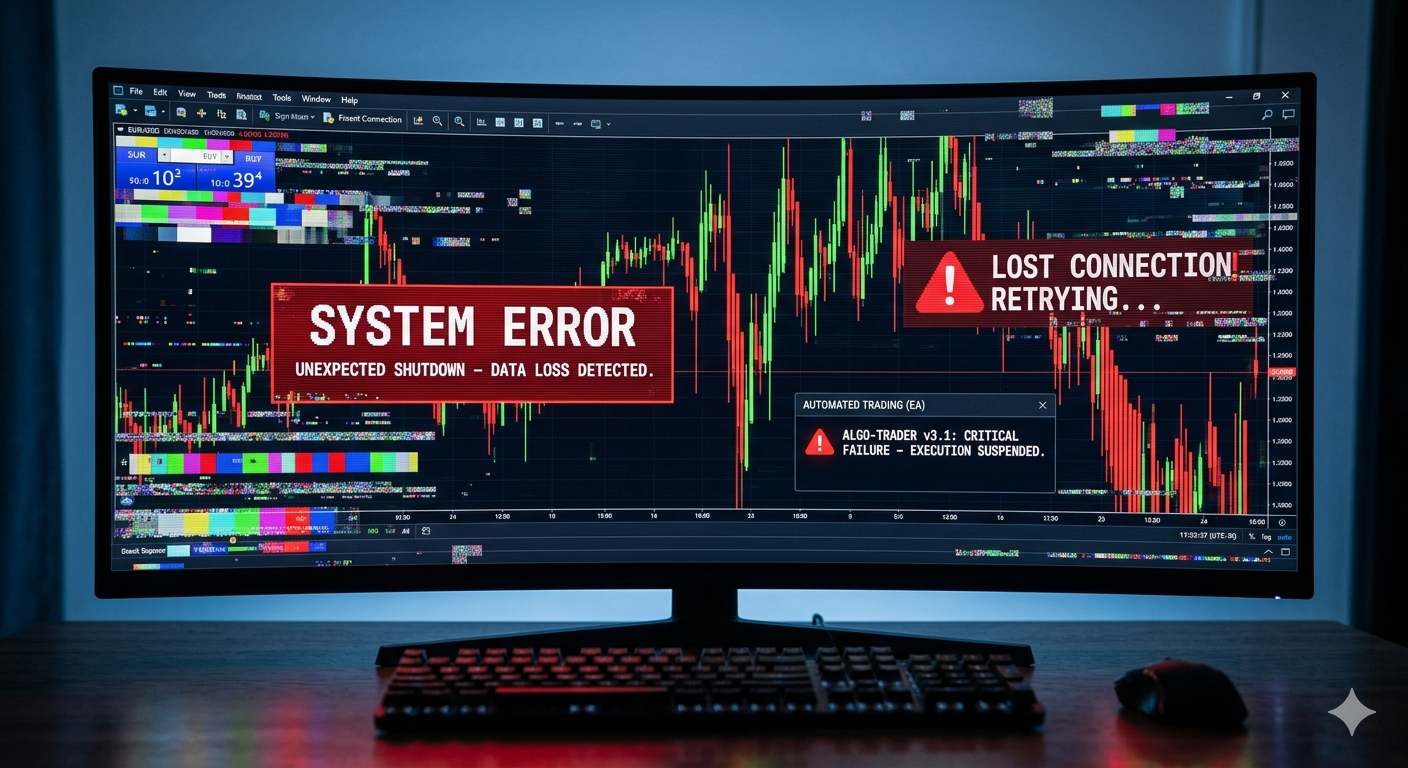
- Market Unpredictability: Software is programmed based on historical data and specific market conditions. If the market suddenly changes—for example, due to a major global news event or an unexpected economic announcement—the rules that worked yesterday might fail completely today. An automated system will blindly keep taking trades even if the market environment is entirely wrong for its strategy.
- Technical Failures: Trading automation software requires a constant, uninterrupted connection to the market. In Nigeria, power outages or unstable internet connections are real considerations. If your internet drops exactly when the software is supposed to close a losing trade, you could face significant, uncontrolled losses.
- Over-Optimization (Curve Fitting): When developers backtest software, they sometimes tweak the rules so perfectly that the software looks flawless on past data. However, because it is so tightly tuned to the past, it fails instantly in live, unpredictable market conditions.
- Scams and False Promises: The internet is full of sellers promising “guaranteed returns” with their secret trading automation software. In the forex market, there are no guarantees. Any software claiming to never lose is misrepresenting the reality of trading.
Technical Considerations: The Role of a VPS
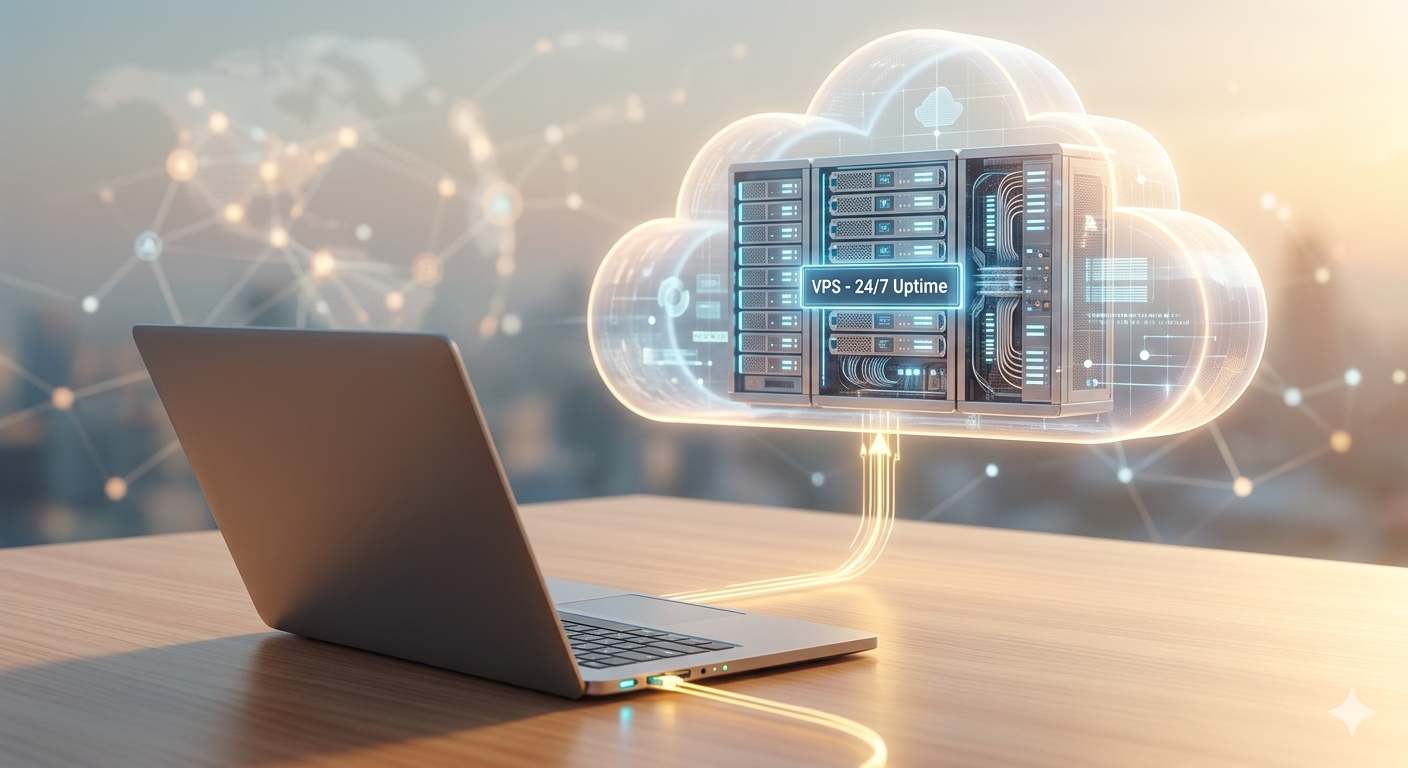
Because technical stability is a major risk, traders who heavily use trading automation software rarely run it on their personal laptops. Instead, they use a VPS (Virtual Private Server).
A VPS is essentially a remote computer that you rent. It stays powered on 24 hours a day, 7 days a week, and has an ultra-fast, stable internet connection directly to the financial markets. By installing the trading automation software on a VPS, traders ensure the program keeps running smoothly even if their home computer loses power or internet access. For a Nigerian trader dealing with frequent power fluctuations, learning about VPS technology is a crucial step if they ever intend to explore automated strategies.
How to Approach Automation as a Beginner
If you are just starting to learn about forex at earnfx.ng, jumping straight into trading automation software is not recommended. You must understand how to drive before you let a car drive itself.
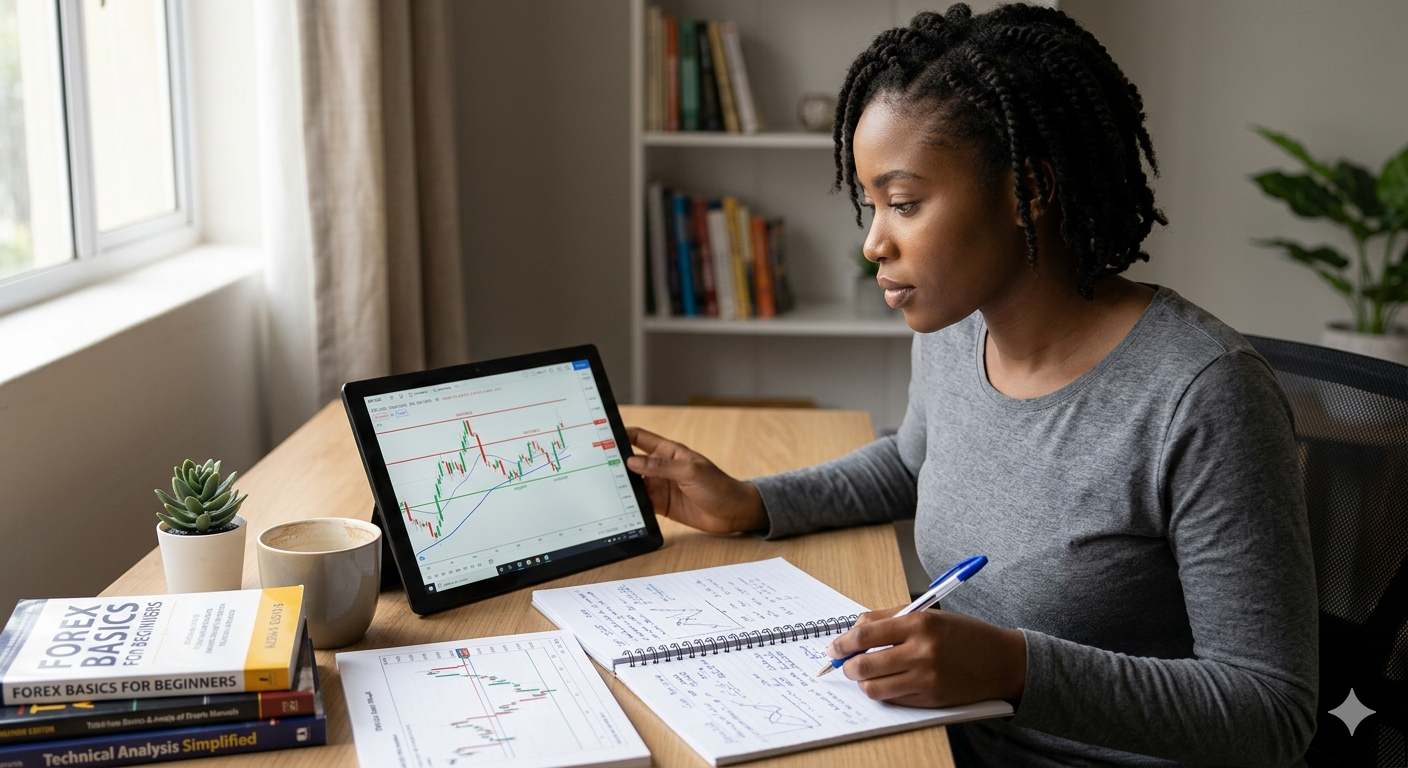
- Learn Manual Trading First: You need to understand market structure, price action, and basic indicators. If you don’t know why a trade is being placed, you won’t know how to fix or adjust your software when it starts making mistakes.
- Use Demo Accounts: A demo account is a simulated trading environment provided by brokers. It uses fake money but live market data. If you want to test trading automation software, you should only ever do so on a demo account. This allows you to watch how the algorithm behaves in real-time without risking a single Naira.
- Study the Logic: Never run software if you do not understand the underlying strategy. You should be able to explain exactly what conditions cause the software to buy or sell.
Frequently Asked Questions (FAQs)
1. Is trading automation software good for forex beginners? Generally, no. While the concept is appealing, beginners should focus on learning manual trading first. If you use trading automation software without understanding how the forex market works, you will not know how to fix or pause the software when market conditions change and the strategy starts losing. Education should always come before automation.
2. Can automated trading algorithms guarantee profits? Absolutely not. There is no software, bot, or Expert Advisor (EA) in the world that can guarantee profits in the financial markets. The forex market is highly unpredictable. While a strategy might show great results on past data (backtesting), that never guarantees it will be profitable in the future. Be highly skeptical of anyone selling software with “guaranteed returns.”
3. Do I need a fast internet connection to use automated trading? Yes, technical stability is vital. Because trading automation software must react to live market prices instantly, a sudden power outage or a dropped internet connection can leave your trades exposed to massive risks. To solve this, automated traders typically rent a Virtual Private Server (VPS) so their software remains online 24/7, regardless of their local power or internet situation.
4. Is using trading bots legal in Nigeria? Yes, using automated algorithms and expert advisors on retail forex platforms (like MT4 or MT5) is completely legal. The software itself is simply a tool to execute trades. However, it is crucial to ensure that you are connecting your software to a strictly regulated and reputable forex broker to protect your deposits.
5. How much does automated trading software cost? The cost varies wildly. Some basic scripts are free, while complex, custom-built algorithms can cost hundreds or thousands of dollars. However, price does not equal quality. A very expensive bot can easily lose money if the market conditions do not fit its programmed strategy.
The Best VPS for Forex Trading in Nigeria: A Complete Beginner’s Guide
Conclusion
Trading automation software is a powerful technological tool that executes trades based on pre-set algorithms. It removes human emotion, operates at high speeds, and allows for extensive backtesting. However, it is not a shortcut to success. It requires deep market knowledge, constant monitoring, and an understanding of the severe technical and financial risks involved. By focusing on education first and utilizing demo accounts, you can safely learn how these systems interact with the complex world of forex