
Introduction
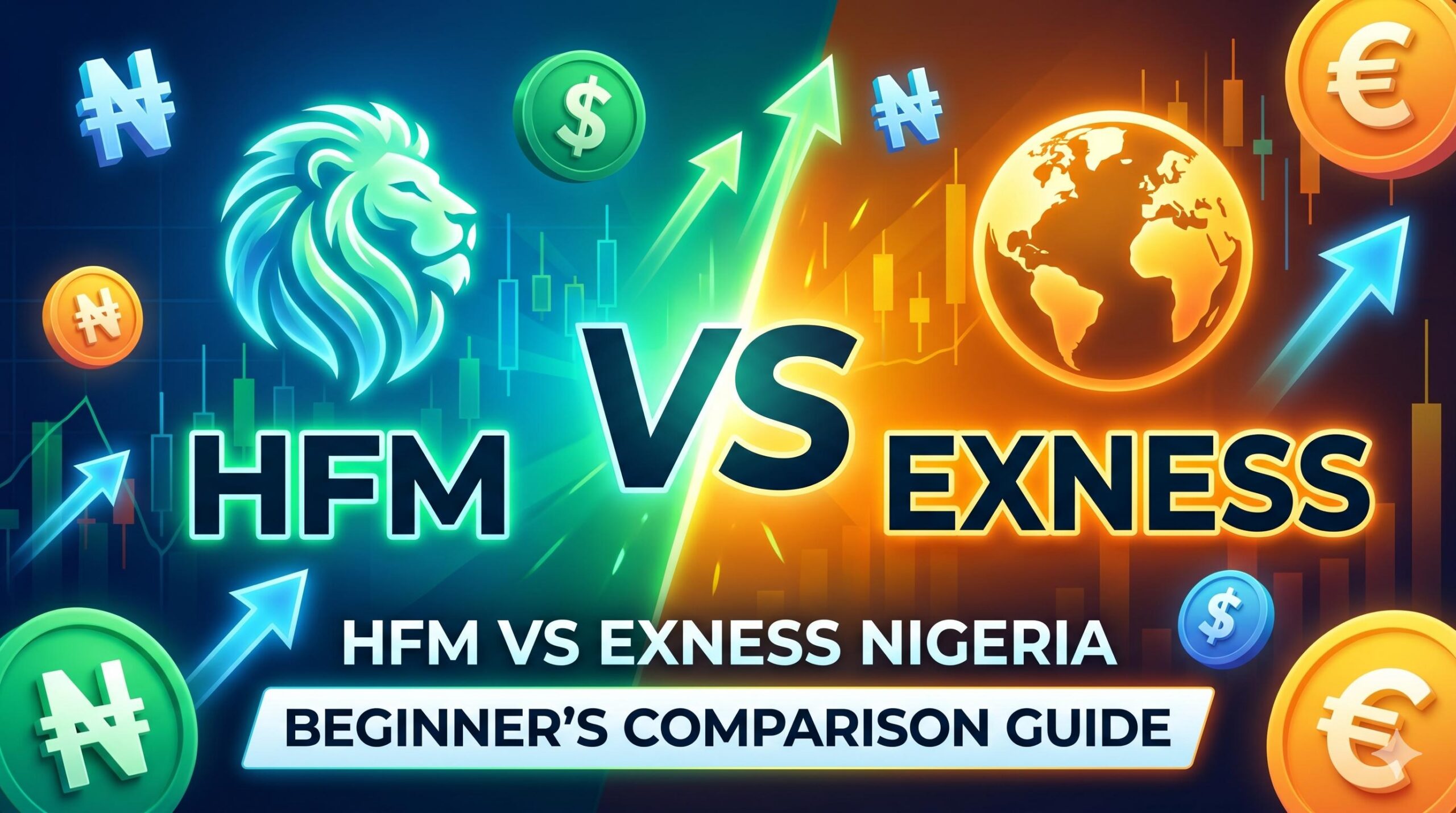
Choosing a forex broker is the first major decision any aspiring trader in Nigeria has to make. When evaluating HFM vs Exness Nigeria, the primary difference lies in their service structure: HFM (formerly HotForex) is often preferred by beginners who value local physical presence and structured education, while Exness is frequently chosen by those prioritizing low-cost trading environments and automated, instant withdrawal systems.

Both brokers support Naira (NGN) accounts and local bank transfers, making them accessible choices for Nigerians. However, the right choice depends on whether you prioritize hands-on customer support (HFM) or technical efficiency and tight spreads (Exness).
Table of Contents
Understanding the Landscape for Nigerian Traders
For a beginner in Nigeria, the “HFM vs Exness” debate isn’t about which broker is “better” in a vacuum, but which one aligns with your current level of knowledge and your capital constraints. Both brokers have established a significant footprint in the Nigerian market, filling a gap where local regulation is still evolving.
It is important to note that while these brokers are popular, forex trading involves significant risk to your capital. Most retail investor accounts lose money when trading CFDs. This guide is for educational purposes and does not constitute financial advice.
1. Regulatory Standing and Security
Security of funds is the most critical factor when comparing HFM vs Exness Nigeria.
- HFM Regulation: HFM is a brand name of HF Markets Group. They hold licenses from several “Tier-1” regulators, including the FCA (UK) and CySEC (Cyprus), as well as the FSCA (South Africa) and CMA (Kenya). For Nigerians, this international oversight provides a layer of institutional credibility.
- Exness Regulation: Exness is similarly well-regulated, holding licenses from the FCA (UK), CySEC, and the FSCA (South Africa).
In Nigeria, neither broker is regulated by the local Securities and Exchange Commission (SEC), as the framework for retail forex is still maturing. Instead, Nigerians typically register under the brokers’ international offshore branches (such as those in the Seychelles or St. Vincent and the Grenadines).
2. Minimum Deposits and NGN Accounts
For many Nigerians, the ability to trade in Naira is a game-changer. It eliminates the need for expensive currency conversion and allows traders to manage their local budget effectively.
| Feature | HFM Nigeria | Exness Nigeria |
| Base Currency | Supports NGN, USD, EUR | Supports NGN, USD, EUR, and more |
| Min. Deposit (Cent/Micro) | Approx. ₦2,000 – ₦5,000 | As low as $1 (approx. ₦1,500) |
| Funding Methods | Local Bank Transfer, Cards, Wire | Local Bank Transfer, OPay, Cards |
The Verdict for Beginners: Both brokers excel here. Exness technically has a lower barrier to entry with a $1 minimum on “Standard Cent” accounts, but HFM offers very accessible entry points for their “Premium” and “Cent” accounts that cater specifically to the Nigerian banking system.
3. Trading Costs: Spreads and Commissions
In the HFM vs Exness Nigeria comparison, trading costs are where the technical differences become clear.
- Spreads: This is the difference between the “buy” and “sell” price. Exness is widely regarded for having some of the most competitive spreads in the industry, particularly on their Pro and Raw Spread accounts. Their Standard account spreads are also very stable.
- HFM Spreads: HFM offers competitive spreads, but they are often slightly wider than Exness on the basic account types. However, HFM compensates for this with frequent promotional bonuses (subject to terms) and a very transparent fee structure.
For a beginner, a “Cent Account” is recommended on either platform. This allows you to trade with “cents” instead of dollars, meaning a $10 deposit appears as 1,000 cents, giving you more room to practice risk management without losing large sums of money.
4. Local Presence and Customer Support
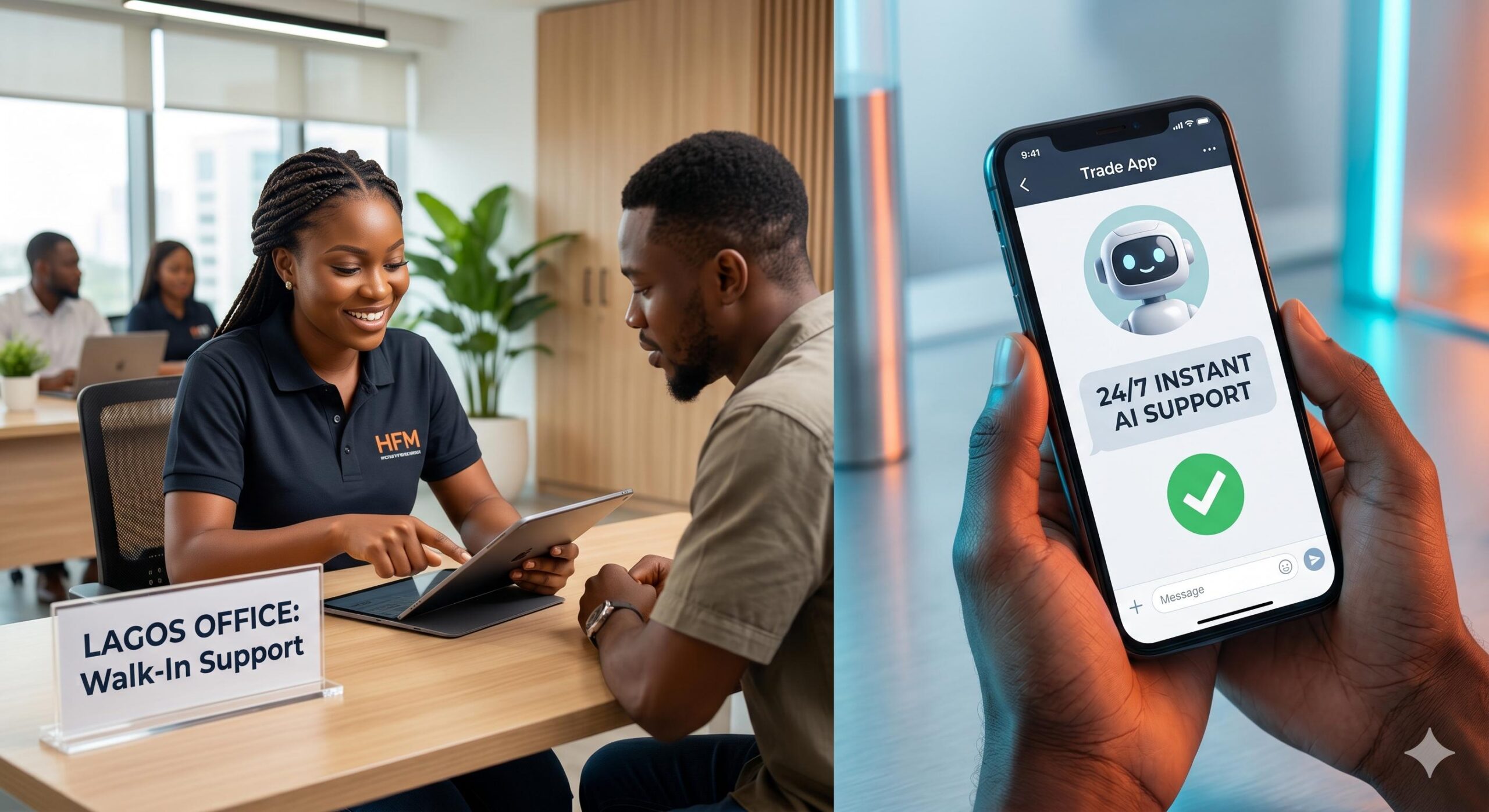
This is where HFM often takes the lead for many Nigerians.
- HFM’s Physical Presence: HFM has established physical offices in Lagos. For a beginner, knowing there is a local office can provide peace of mind. They frequently host physical seminars and training sessions across major Nigerian cities like Abuja and Port Harcourt.
- Exness Support: Exness provides excellent 24/7 digital support and has a very functional Help Center. While they have a strong presence in Africa, their model is more “tech-first,” focusing on seamless app integration and automated systems rather than physical walk-in centers.
5. Deposits and Withdrawals
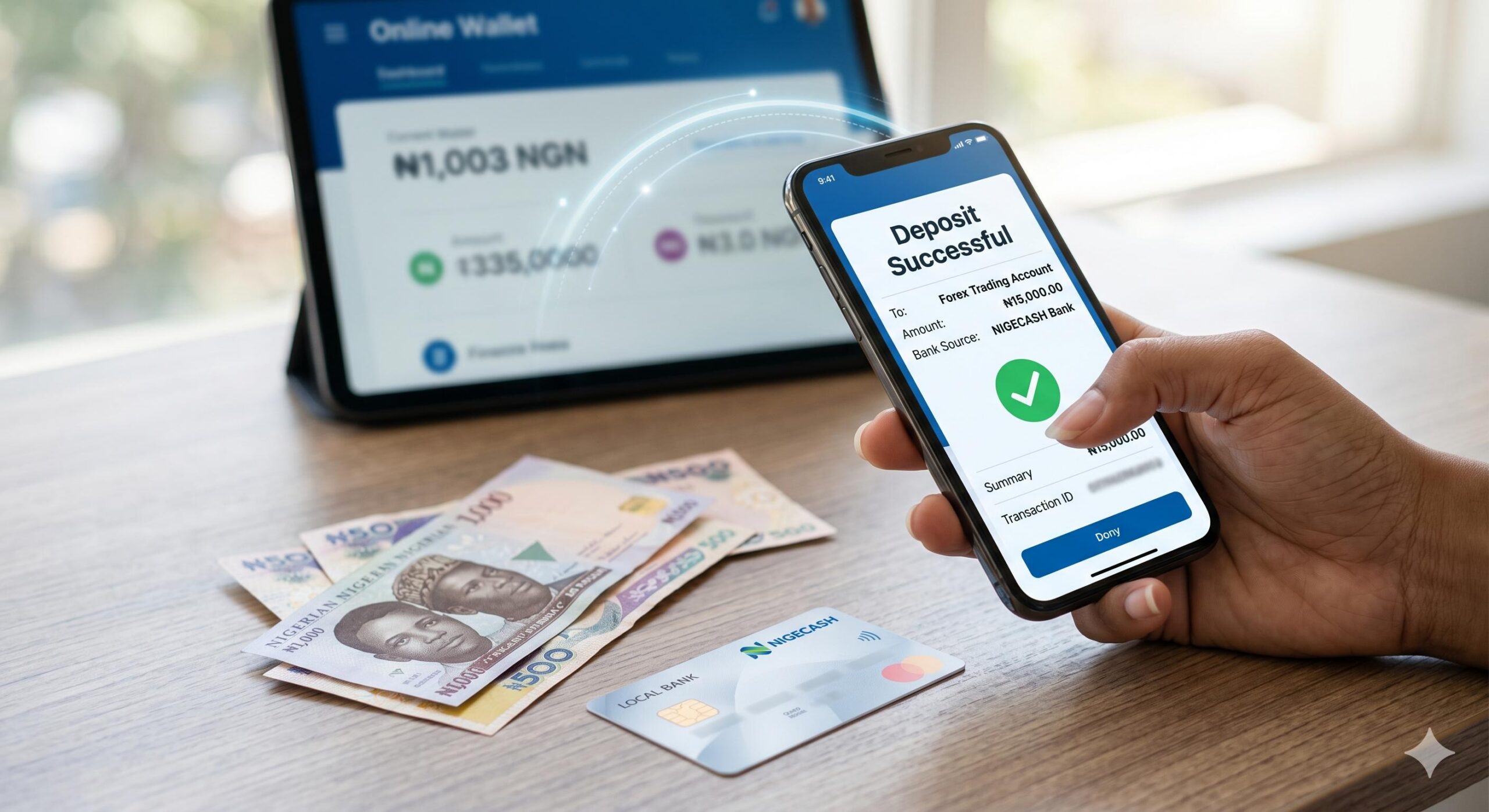
In Nigeria, the speed of getting your money out is often more important than putting it in.
- Exness (The Speed King): Exness is famous for instant withdrawals. In many cases, when you withdraw via local Nigerian bank transfer or e-wallets, the transaction is processed by an automated system in seconds, even on weekends.
- HFM (Reliable but Manual): HFM withdrawals are very reliable but typically follow a manual approval process. This means it might take a few hours or up to one business day for your funds to hit your Nigerian bank account.
6. Trading Platforms
Both brokers offer the industry standards: MetaTrader 4 (MT4) and MetaTrader 5 (MT5).
- HFM also provides a proprietary mobile app that is very user-friendly for beginners who find the MetaTrader interface a bit “dated.”
- Exness has the “Exness Trade” app, which is highly rated for its clean UI, allowing you to deposit, withdraw, and trade all within one interface.
How to Start Forex Trading in Nigeria with XM: A Beginner’s Guide
Risk Awareness: A Vital Note for Beginners
Before choosing between HFM vs Exness Nigeria, you must understand that forex trading is not a “get rich quick” scheme. It is a high-risk financial activity.
- Leverage Risk: Both brokers offer high leverage (up to 1:2000 or even unlimited in some Exness cases). While leverage allows you to control large positions with small capital, it also multiplies your losses.
- Market Volatility: The forex market can move violently due to news events.
- Education First: Never trade money you cannot afford to lose. Use the free “Demo Accounts” offered by both HFM and Exness to practice for at least 3–6 months before using real Naira.
Summary: Which One Should You Choose?
Choose HFM Nigeria if:
- You want a broker with a physical office in Nigeria.
- You are looking for structured educational webinars and local seminars.
- You prefer a broker with a long-standing reputation for customer service in the African market.
Choose Exness Nigeria if:
- You want instant withdrawals, even on weekends.
- You want the lowest possible spreads to save on trading costs.
- You are tech-savvy and prefer a highly automated trading environment.
Frequently Asked Questions (FAQ)
Q: Is forex trading legal in Nigeria?
A: Yes, it is legal for individuals to trade forex. However, the Nigerian SEC does not currently provide local licenses to online retail forex brokers, which is why Nigerians use internationally regulated brokers like HFM and Exness.
Q: Can I start with ₦10,000?
A: Yes. Both HFM and Exness allow you to start with amounts even lower than ₦10,000 using Cent or Micro accounts.
Q: Which broker is better for MT4?
A: Both support MT4 equally well. Your choice should be based on the broker’s specific features (withdrawals, spreads, support) rather than the platform itself.
Q: How do I avoid scams?
A: Always ensure you are visiting the official websites (earnfx.ng recommends checking the URL carefully). Never give your money to individuals promising to trade for you; only deposit directly into your verified broker account.
Disclaimer: The information provided on earnfx.ng is for educational purposes only. Forex trading carries a high level of risk and may not be suitable for all investors. Past performance is not indicative of future results. We do not provide financial advice or trading signals.