
Introduction
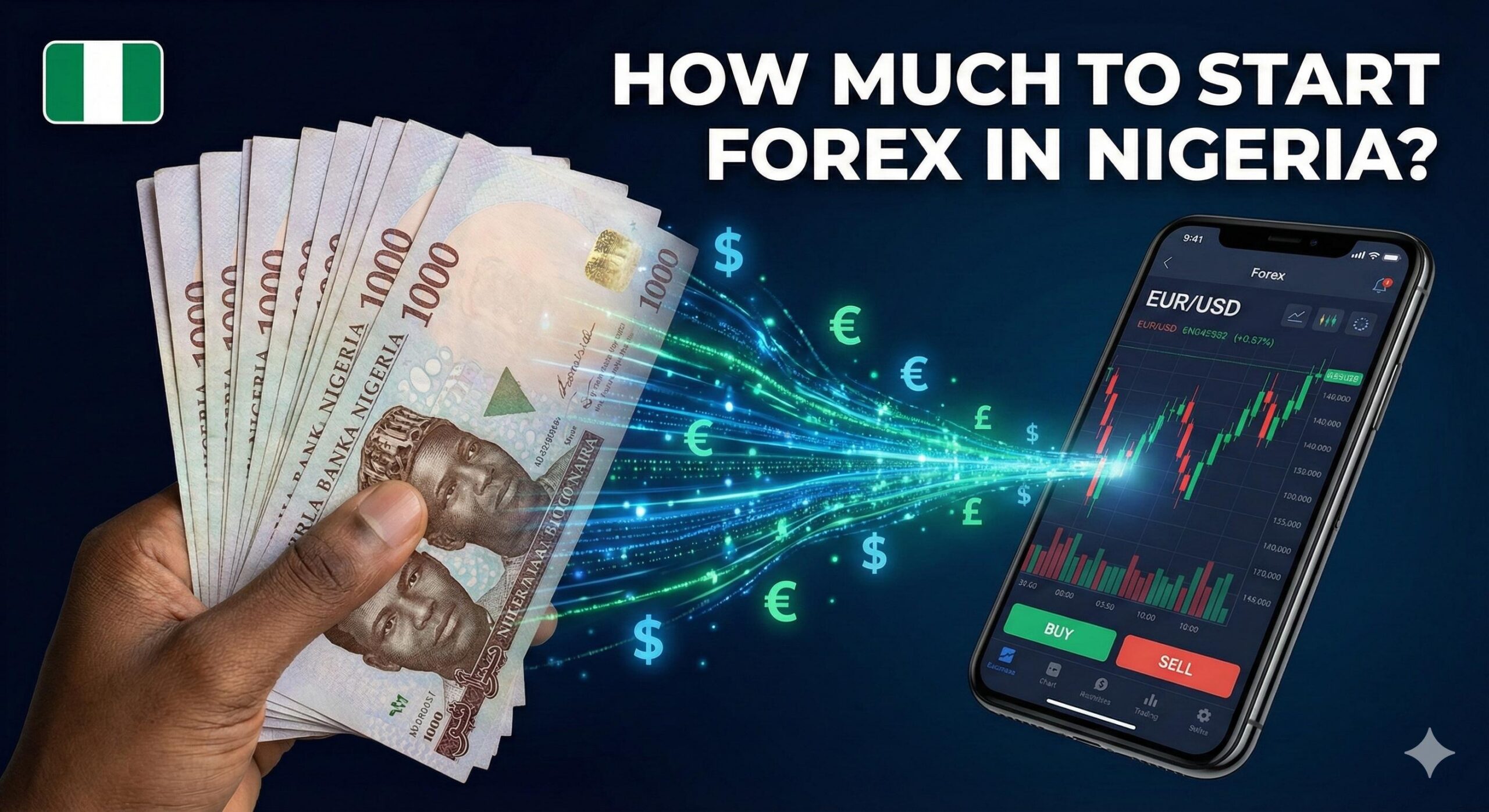
The foreign exchange market has become a significant topic of discussion across Nigeria, from university campuses in Lagos to corporate offices in Abuja. With the digitization of finance and the proliferation of mobile banking apps, access to global financial markets is easier than ever before. However, the most common and pressing question asked by beginners is not about technical strategy or economic analysis, but about capital: “How much do I need to start forex in Nigeria?”
This is a critical question, but the answer is not as simple as a single Naira figure. The amount required depends heavily on your specific goals, your risk tolerance, and whether you are focusing on the learning phase or the live trading phase. For many Nigerians, there is a dangerous misconception that trading requires millions of Naira to begin, while others fall victim to false advertisements claiming you can start with almost nothing ($10) and generate a sustainable income immediately.
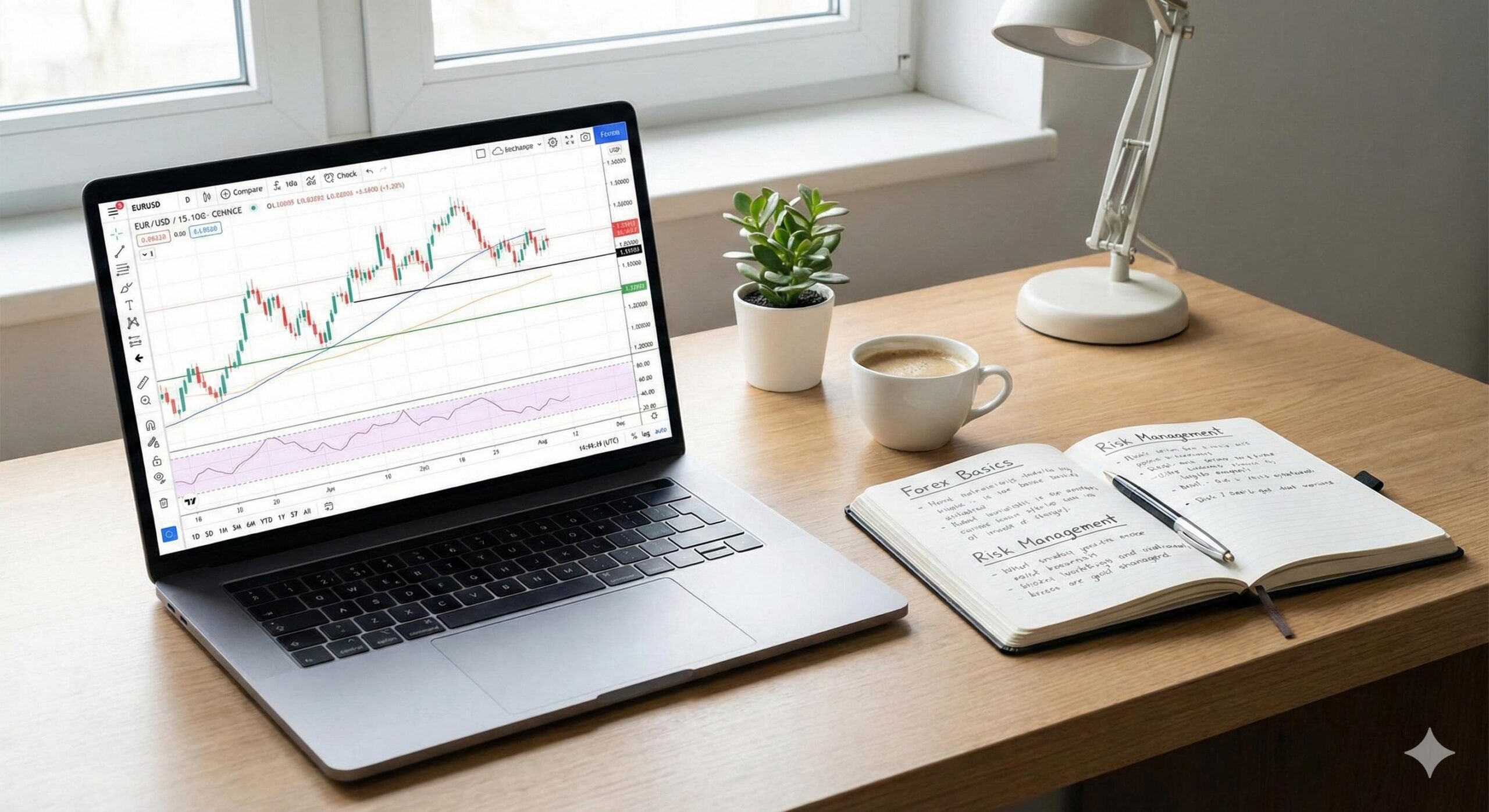
The reality lies strictly in between these extremes. Forex trading is a serious financial endeavor that involves significant risk of capital loss. It is not a path to quick riches, a “side hustle” for instant cash, or a solution to immediate financial problems. This guide is written for educational purposes to help you understand the financial barriers to entry, the hidden costs of education, and the capital required to trade responsibly with proper risk management. We will explore the critical difference between the “minimum deposit” allowed by brokers and the “recommended capital” needed for safe, professional practice.
Table of Contents
What Is Forex Trading?
Foreign Exchange, commonly referred to as Forex or FX, is the decentralized global marketplace where the world’s currencies are exchanged. It is the largest financial market in the world, with daily trading volumes exceeding $6 trillion—dwarfing the New York Stock Exchange.
In its simplest form, forex trading is the act of buying one currency while simultaneously selling another. Unlike a physical market where you buy goods, here you are buying the “economic performance” of one country against another.
- Real-World Example: Consider a Nigerian electronics importer. If they want to import laptops from the United States, they cannot pay the manufacturer in Naira (NGN). They must exchange their Naira for US Dollars (USD). This transaction happens in the forex market. The rate at which they swap these currencies is the “Exchange Rate.”
For retail traders (individuals trading from personal computers or smartphones), the goal is to speculate on the future movements of these exchange rates. Traders analyze economic data (like inflation reports or GDP growth) to predict if a currency like the Euro (EUR) will strengthen or weaken against the US Dollar (USD). Unlike the stock market, where you buy shares and hold them for years, forex is often shorter-term and highly liquid.
Important Note: While the mechanics of clicking “buy” or “sell” are simple to learn, predicting market movements is extremely difficult. The market is influenced by complex global events, central bank policies, and geopolitical factors that can change in an instant.
How Forex Trading Works
To accurately answer “how much do I need,” you must first understand the mechanics of the market, specifically “Lots” and “Pips,” as these determine how much money you risk per trade.
Currency Pairs
Currencies are always traded in pairs. You cannot just “buy Dollar.” You must buy Dollar against something else.
- Base Currency: The first currency in the pair (e.g., GBP/USD). This is the “item” you are buying or selling.
- Quote Currency: The second currency in the pair (e.g., GBP/USD). This is the “money” you are paying with. When you buy GBP/USD, you are betting that the British Pound will get stronger compared to the US Dollar.
The Concept of the “Lot Size”
This is the most important concept for your budget. In forex, you trade in “Lots.”
- Standard Lot: 100,000 units of currency. (Requires large capital).
- Mini Lot: 10,000 units of currency.
- Micro Lot: 1,000 units of currency.
- Nano Lot: 100 units of currency.
If you have a small account (e.g., $10 or $50), you must trade Micro or Nano lots. If you try to trade a Standard Lot with a small account, a tiny market move will wipe out your entire balance in seconds.
The Role of Brokers
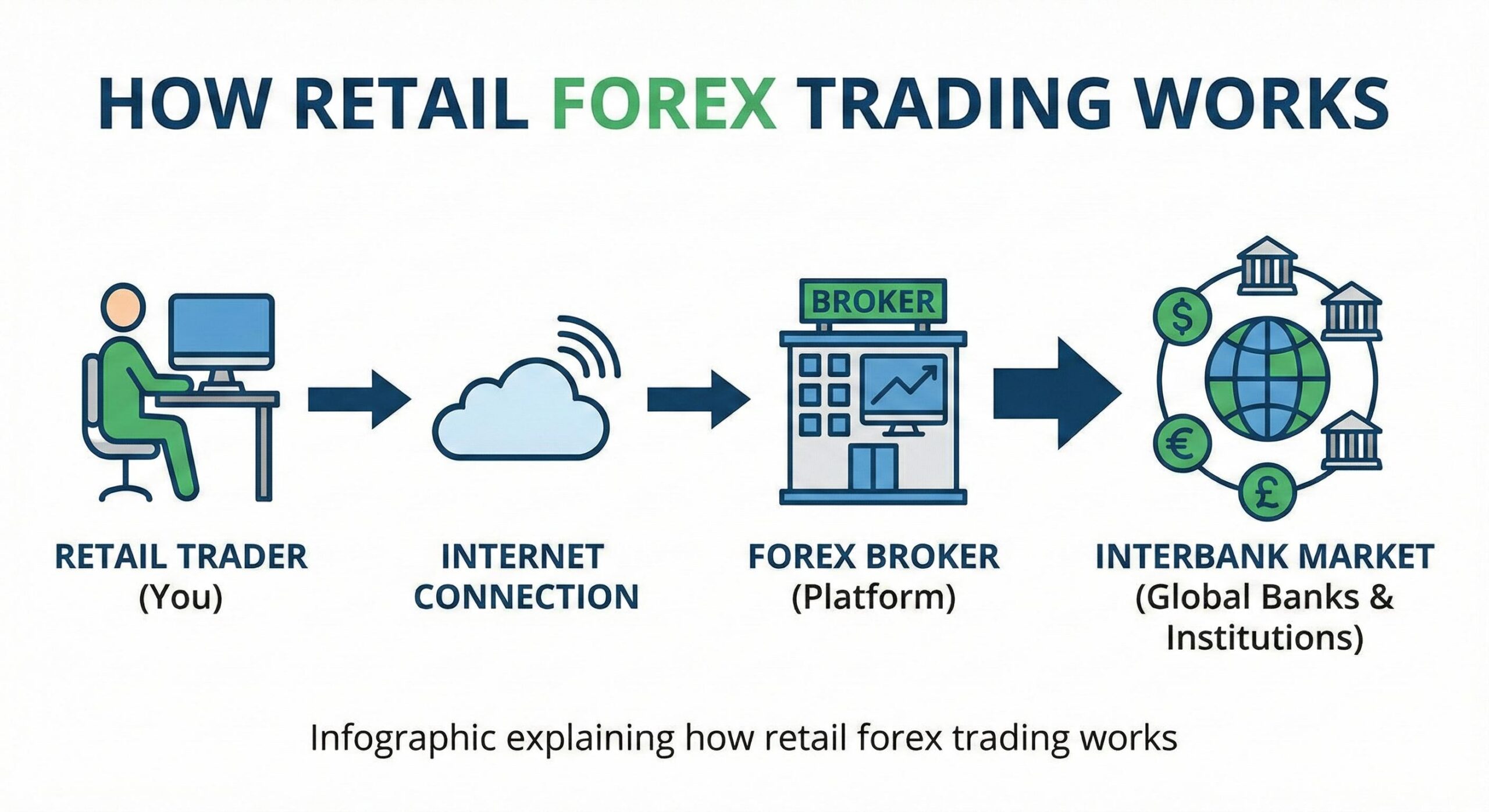
A broker is a financial services company that provides you with access to a trading platform (like MetaTrader 4 or 5). They act as the middleman between you and the interbank market (the big banks). When you ask, “How much do I need to start forex in Nigeria?”, you are effectively asking about the deposit requirements set by these brokers.
Market Hours
The forex market operates 24 hours a day, 5 days a week. It opens in New Zealand/Australia on Monday morning and closes in New York on Friday evening. For Nigerians, this is convenient as the London Session (which is very active) overlaps with our business day, and the New York session runs into our evening.
The Financial Reality: How Much Do You Really Need?
This section addresses the primary keyword directly. We must distinguish between the minimum requirement (what is possible) and the prudent requirement (what is smart).
1. The Cost of Learning (Time vs. Money)
Before you deposit a single Naira, you need to invest in education.
- Financial Cost: ₦0.00.
- Time Cost: 3 to 6 months (Recommended). You do not need money to start learning. Reputable information is available for free on educational websites, and practice can be done on demo accounts. Do not feel pressured to buy expensive courses or “mentorships” when you are a total beginner.
2. The “Minimum Deposit” Myth
Many brokers market aggressively to Nigerians, claiming you can open accounts with as little as $10 (approx. ₦15,000 depending on exchange rates).
- Is it possible? Yes. You can deposit $10.
- Is it recommended? Generally, no.
- The Math: If you have a $10 account and you open the smallest possible trade (0.01 lot), a movement of just 100 “points” or “pips” against you could wipe out the account. You have no “breathing room.” This forces you to gamble rather than trade strategically.
3. Recommended Capital for Practice
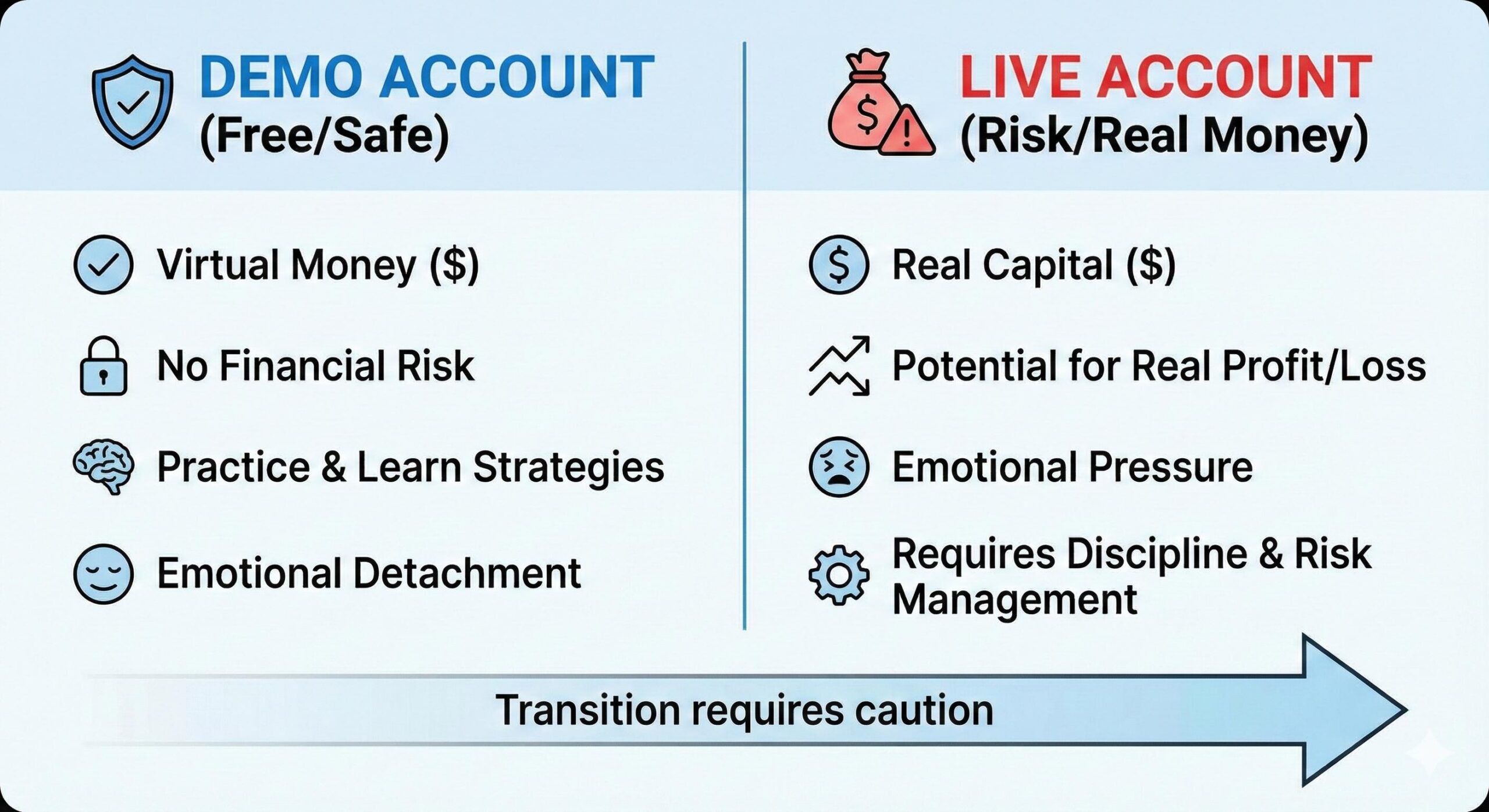
For a beginner ready to transition from a demo account to a live account (strictly for the psychological experience of trading real money), a balance that allows for flexibility is often recommended by professional educators.
- Standard Recommendation: $100 – $200 (Approx. ₦160,000 – ₦320,000).
- The Logic: With $100, you can trade 0.01 lots (Micro lots). If you risk 2% of your account per trade, you are risking $2. This allows you to have a “Stop Loss” (safety net) that is wide enough to let the trade breathe, without losing your whole account on one bad decision.
Crucial Warning: Any money you deposit into a trading account should be “risk capital.” This means it must be money you can afford to lose entirely without affecting your rent, school fees, or food budget. Never trade with borrowed money.
Is Forex Trading Legal in Nigeria?
Understanding the legal landscape is just as important as understanding the financial cost.
The Short Answer: Yes, retail forex trading is legal in Nigeria. There is no law in the Nigerian constitution that prohibits an individual from using their own personal funds to trade on international currency markets.
Regulatory Context:
- Central Bank of Nigeria (CBN): The CBN regulates the banking sector and foreign exchange flows to protect the value of the Naira. While they frequently adjust policies regarding the use of Naira debit cards for international transactions (often suspending them), they do not criminalize the act of trading itself.
- Securities and Exchange Commission (SEC): The SEC monitors the investment space in Nigeria. They frequently issue warnings against unlicensed investment schemes (Ponzi schemes) that masquerade as forex companies.
Compliance Note: It is legal to trade your own money. However, it is generally illegal to collect money from the public (your friends, family, or social media followers) and trade on their behalf without a specific Asset Management license from the SEC. Beginners must strictly avoid “account management” schemes where you give your money to someone else to trade.
Common Forex Trading Risks
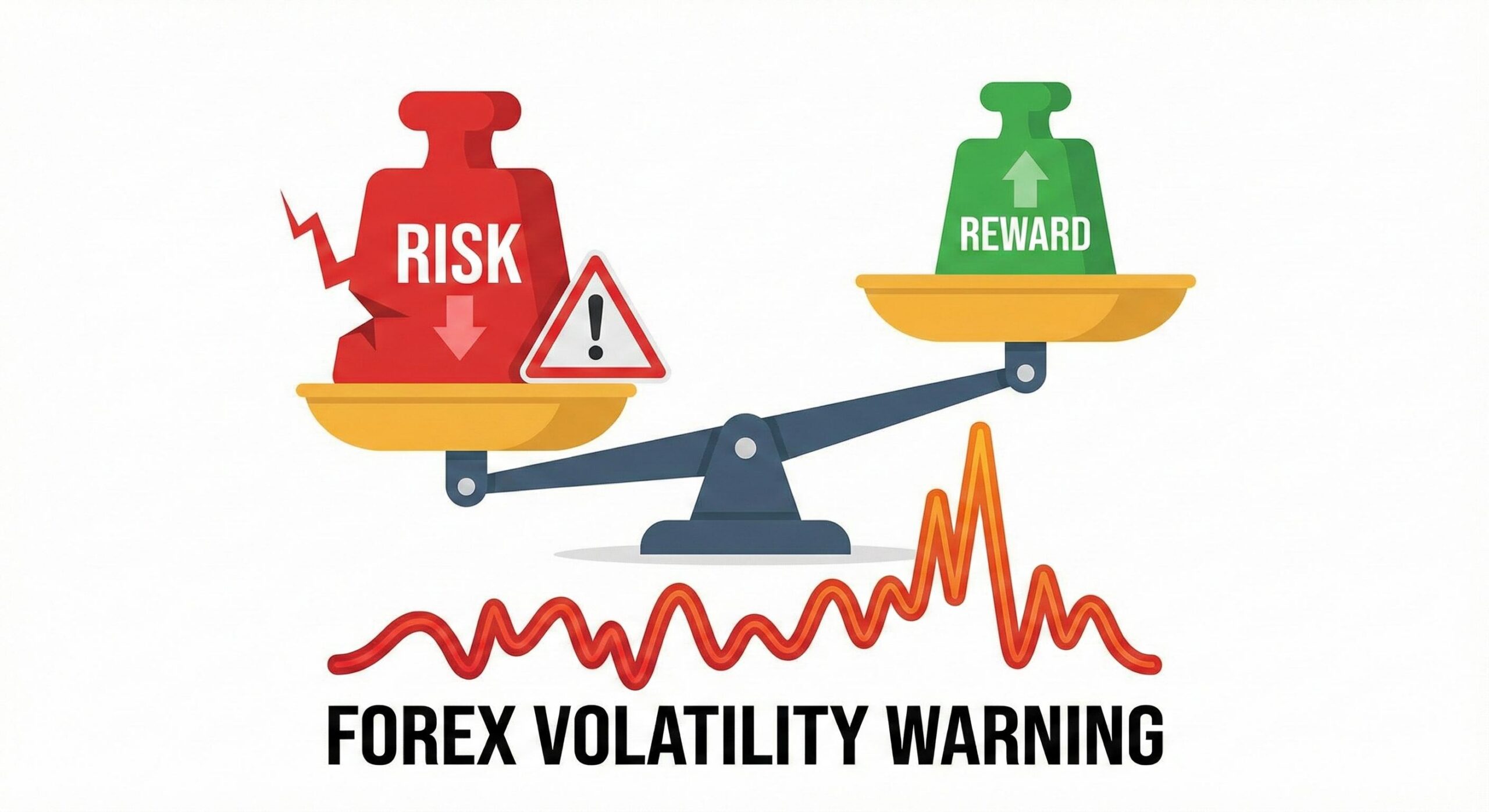
Forex trading is often marketed as an opportunity, but it is fundamentally a risk management activity. Understanding the dangers is vital.
Market Volatility
The forex market can be extremely volatile. News events—such as changes in US interest rates, inflation data, or geopolitical conflicts—can cause currency prices to spike or crash in seconds.
- Risk: If you are on the wrong side of a sudden spike, you can lose significant capital instantly.
Leverage Risk
Brokers offer “leverage,” which is essentially a loan that allows you to control a large position with a small deposit.
- Example: With 1:500 leverage, a $10 deposit can control $5,000 worth of currency.
- The Danger: While leverage can magnify potential gains, it equally magnifies losses. It is the number one reason beginners blow their accounts. High leverage means a small price movement against you results in a massive percentage loss of your equity.
Operational Risks (The Nigerian Context)
In Nigeria, traders often face unique infrastructural challenges.
- Internet Stability: If your internet cuts out while you are in a trade, you cannot manage it.
- Power Supply: A sudden power outage could leave you blind to the market.
- Slippage: This happens when the market moves so fast that your order is filled at a worse price than you intended.
Psychological Risk
The pressure of losing money can lead to emotional decisions.
- Revenge Trading: Trying to win back lost money immediately by increasing your trade size. This almost always leads to disaster.
- FOMO (Fear Of Missing Out): Jumping into a trade just because you see the price moving fast, without doing any analysis.
Beginner Mistakes Nigerians Should Avoid
If you are calculating how much you need to start, ensure you are not budgeting for failure by making these common errors:
- Undercapitalization: Starting with too little money ($10) and using maximum leverage to try and “flip” it to $100. This is gambling, not trading. The probability of ruin is near 100%.
- Lack of Education: Funding a live account without spending at least 3 months on a demo account. The market will punish ignorance.
- Ignoring Risk Management: Trading without a “Stop Loss” order. A Stop Loss acts as a safety net to close a trade automatically if the loss reaches a certain level. Trading without one is like driving a car without brakes.
- Chasing Signals: Relying on WhatsApp or Telegram “gurus” to tell you what to buy or sell. You must learn to analyze the market yourself. If the guru was that rich, they wouldn’t be selling signals for N5,000.
- Using Unregulated Brokers: Depositing money with a broker that has no track record or license. If the broker disappears, your capital is gone. Always check for regulation from bodies like the FCA (UK), ASIC (Australia), or FSCA (South Africa).
Read More : What Is Forex Trading and How Does It Work? A Beginner’s Educational Guide (2026)
Learning Forex Trading the Right Way
The most important investment you can make is in your knowledge, not your trading account.
The Education-First Approach
- Read: Start with free online resources that explain terminology (Pips, Lots, Spread, Margin, Equity).
- Watch: View educational webinars that focus on market structure and price action, not “winning strategies” or “robots.”
- Practice: Open a Demo Account.
The Value of Demo Accounts
A demo account allows you to trade with virtual money using real-time market data. It simulates the trading environment exactly, minus the financial risk.
- Goal: Do not ask “How much do I need to start forex in Nigeria” until you can maintain a profitable demo account for 3 to 6 consecutive months.
- Cost: Free. Most brokers offer unlimited demo accounts.
Developing a Plan
A trading plan is a set of rules that defines when you enter a trade, when you exit, how much risk you take, and which currency pairs you trade. Trading without a plan is simply guessing or gambling.
How to Stay Safe From Forex Scams in Nigeria
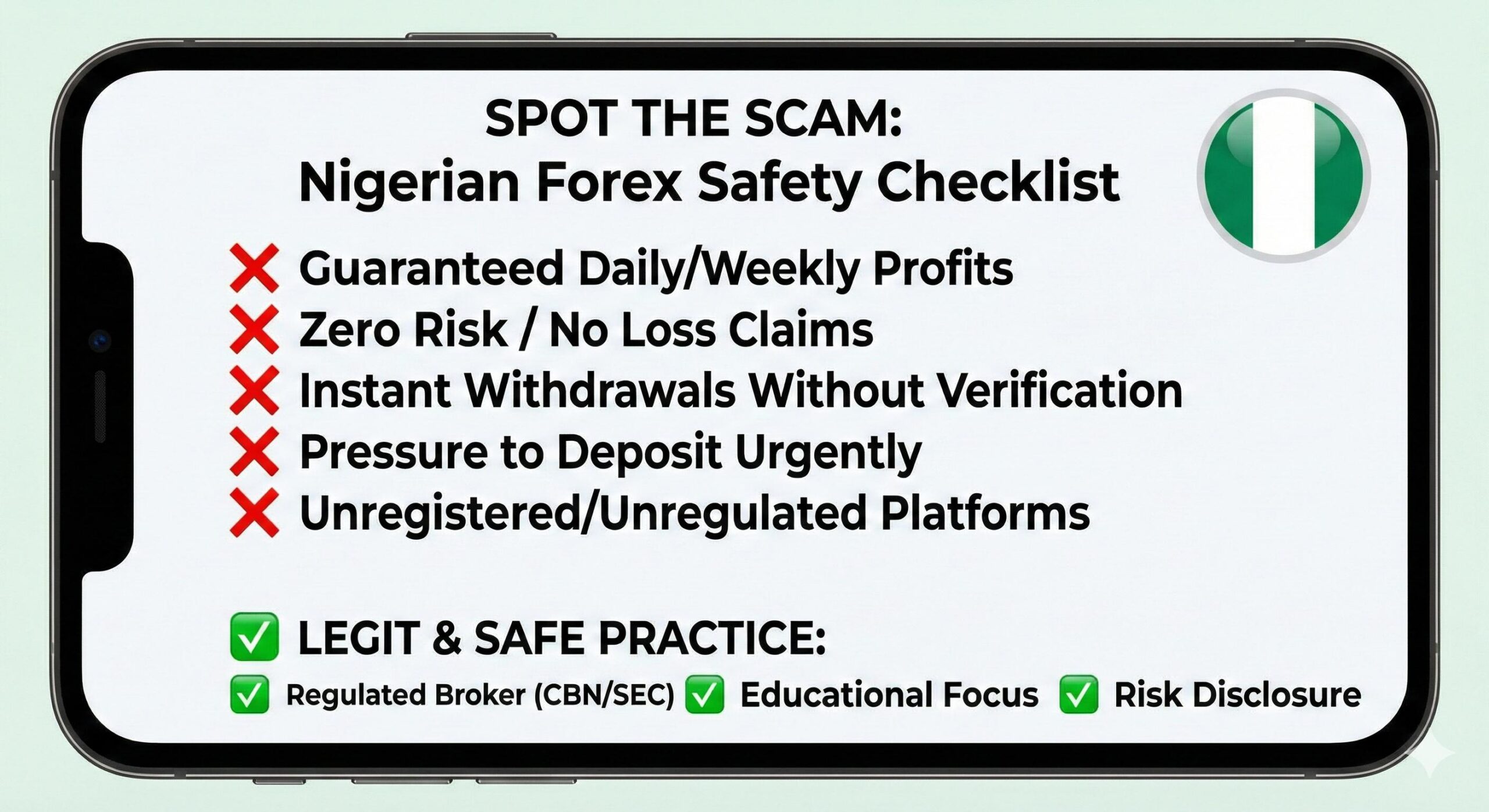
As interest in forex grows, scammers target beginners who are looking for shortcuts. Be vigilant against these schemes.
Red Flags to Watch For:
- Guaranteed Returns: Any platform promising “30% profit in 24 hours” or “Doubling your money in a week” is a scam. The forex market is unpredictable; guarantees are mathematically impossible.
- “Investment” Platforms: Websites that ask you to deposit money so they can trade for you. Most of these are Ponzi schemes that use new investors’ money to pay old investors until they collapse.
- Pressure to Deposit: If someone contacts you on social media (Instagram/Facebook) pressuring you to deposit funds immediately to “not miss an opportunity,” block them. Legitimate educators and brokers do not harass clients.
- Fake Testimonials: Be skeptical of screenshots showing massive bank alerts or expensive cars. These are easily fabricated to lure victims.
Frequently Asked Questions (FAQ)
Q1: How much do I need to start forex in Nigeria? A: You need $0 to start learning via a demo account. For a live account, while some brokers accept $10, it is widely recommended to start with at least $100 – $200 (approx. ₦160,000 – ₦320,000) to allow for proper risk management and to withstand normal market fluctuations.
Q2: Is forex trading safe for beginners? A: Forex trading involves high risk and is not “safe” in the traditional sense like a savings account. It is possible to lose your capital. Safety comes from education, using regulated brokers, and never risking money you cannot afford to lose.
Q3: Can I learn forex trading on my phone? A: Yes, you can read educational materials and monitor markets on a smartphone. However, for serious technical chart analysis, a laptop or desktop computer is highly recommended to see the full “big picture” of the market data.
Q4: Are forex profits guaranteed? A: Absolutely not. The majority of retail traders (over 70-80%) lose money. Success requires years of practice, discipline, emotional control, and strategy.
Q5: What is the best currency pair for Nigerian beginners? A: Major pairs like EUR/USD or GBP/USD are often recommended. They have the highest liquidity (meaning they are easy to buy and sell) and generally have the lowest transaction costs (spreads) compared to other “exotic” pairs.
Q6: Do I need to pay for a forex course? A: Not necessarily. There is enough high-quality, free information available online (YouTube, BabyPips, EarnFX) to reach an intermediate level. Be very cautious of expensive courses that promise “secrets” or “hacks” to the market.
Conclusion
The question of “How much do I need to start forex in Nigeria” has two distinct answers. To start learning, you need absolutely nothing but an internet connection, a smartphone or laptop, and dedication. To start trading live, you need an amount that you are comfortable losing, which allows you to manage risk effectively—typically more than the minimum $10 advertised by brokers.
Forex trading is a professional skill, not a lottery ticket. It requires the same dedication as learning a trade, engineering, or a university degree. At earnfx.ng, our advice is consistent and responsible: prioritize your education, protect your capital, and never rush into the live market with money you cannot afford to lose.
The journey to understanding the global financial markets is rewarding, but it must be approached with caution, realism, and a commitment to safety.
DISCLAIMER: HIGH RISK WARNING & EDUCATIONAL NOTICE
Educational Purpose Only: The content provided in this article and on earnfx.ng is strictly for educational and informational purposes. It does not constitute financial, investment, or trading advice. We are educators, not financial advisors.
Risk Warning: Foreign Exchange (Forex) trading carries a high level of risk and may not be suitable for all investors. The high degree of leverage available can work against you as well as for you. Before deciding to trade foreign exchange, you should carefully consider your investment objectives, level of experience, and risk appetite. The possibility exists that you could sustain a loss of some or all of your initial investment; therefore, you should not invest money that you cannot afford to lose.