
Introduction
Foreign exchange (forex) trading has become a significant interest for many Nigerians seeking to engage with global financial markets. As the digital economy expands in 2026, understanding the basics of currency exchange is more relevant than ever. Forex trading involves the simultaneous buying of one currency and selling of another, with the aim of benefiting from changes in their relative value.
However, entering this market requires more than just technical knowledge; it requires a sense of responsibility toward financial regulations and risk management. One area that is often overlooked by beginners is forex trading tax in Nigeria 2026. As an individual participating in global markets, understanding your potential obligations to the Federal Inland Revenue Service (FIRS) is a crucial part of your educational journey.
This guide is designed to help beginners understand the fundamental concepts of forex, the inherent risks involved, and the general tax landscape in Nigeria for the year 2026.
Table of Contents
What Is Forex Trading?
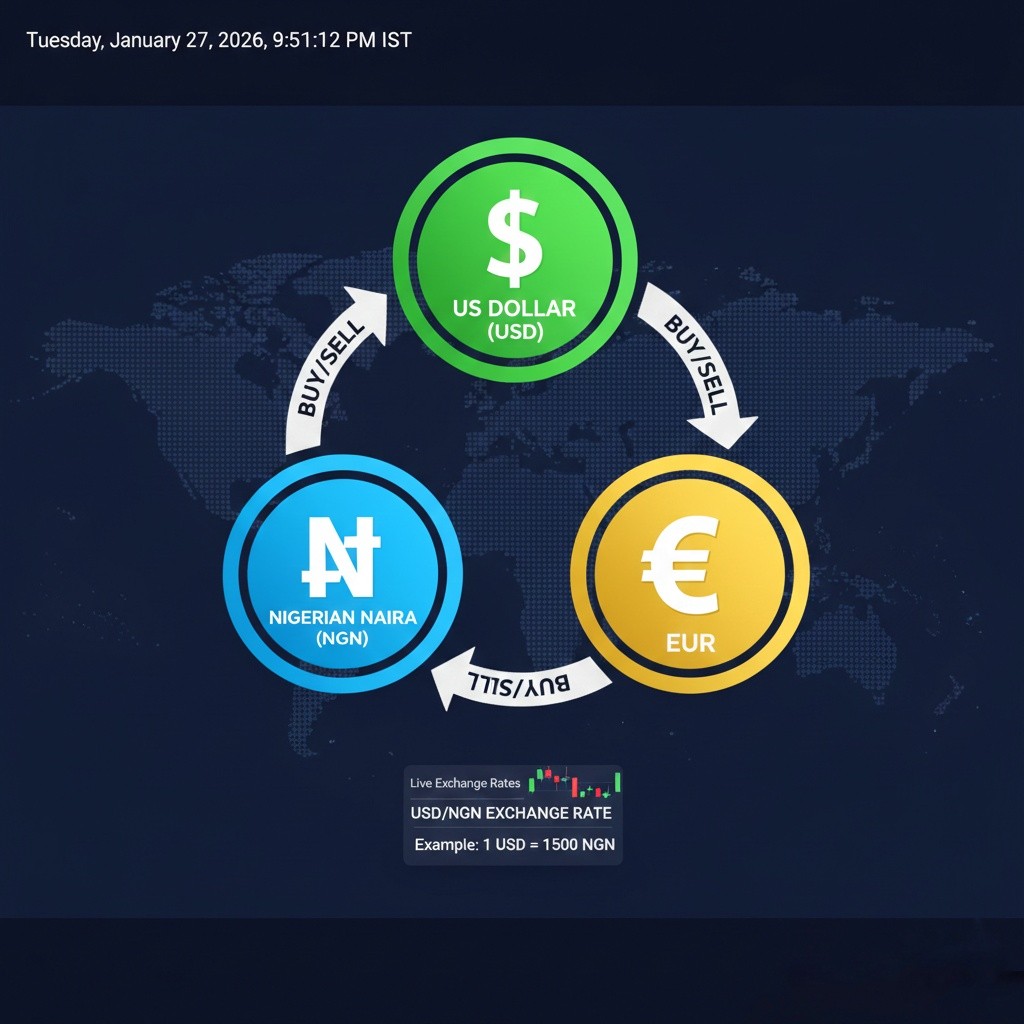
Forex trading, at its core, is something most Nigerians have done at a basic level. If you have ever visited a Bureau de Change (BDC) to swap Naira (NGN) for US Dollars (USD) to pay for an online service or for travel, you have participated in the foreign exchange market.
In the world of online trading, this process happens on a global, digital scale. Currencies are traded in “pairs.” For example, if you believe the Euro will strengthen against the US Dollar, you would look at the EUR/USD pair. The goal is to analyze market data to understand why these values change.
How Forex Trading Works
The forex market is a 24-hour global network. It doesn’t have a central physical location like the Nigerian Exchange (NGX) in Lagos. Instead, it operates through major financial centers across different time zones.
Market Sessions
The market moves through four major sessions: Sydney, Tokyo, London, and New York. For a trader in Nigeria, the overlap between the London and New York sessions is often the most active time for the market.
Currency Pairs
Currencies are always quoted in pairs because you are buying one while selling another.
- Base Currency: The first currency listed (e.g., EUR).
- Quote Currency: The second currency listed (e.g., USD).
The Role of Brokers
To access the market, individuals use a Broker. A broker provides the trading platform—the software where you see price charts and execute your analysis. It is important to distinguish between the broker (the service provider) and the market itself.
Is Forex Trading Legal in Nigeria?
Yes, forex trading is legal in Nigeria. However, it is an unregulated retail space for individuals. While the Central Bank of Nigeria (CBN) manages institutional foreign exchange and monitors capital outflows, there is no specific local “retail forex license” for companies to operate within the country.
Most Nigerians use international brokers regulated by authorities like the FCA (UK) or ASIC (Australia). While you can legally trade, you must be aware that the lack of local retail regulation means you are responsible for your own safety and for verifying the credentials of any platform you use.
Forex Trading Tax in Nigeria 2026
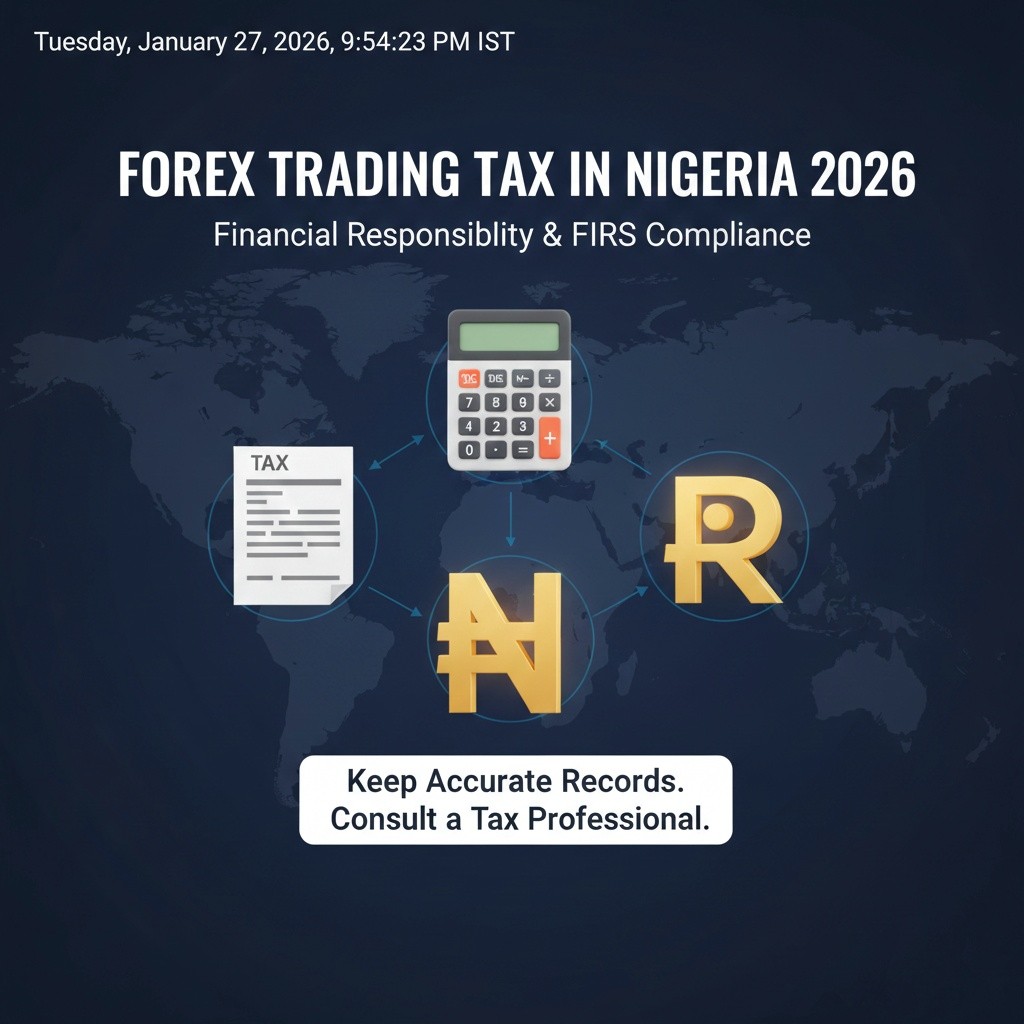
A common question for beginners is how their activity is viewed by tax authorities. In 2026, the Nigerian tax system continues to evolve regarding digital and international income.
Personal Income Tax
Generally, income earned by an individual residing in Nigeria is subject to the Personal Income Tax Act (PITA). If you are trading as an individual, any gains you realize from your trading activities may be classified as part of your global taxable income.
Capital Gains Tax
In some instances, the disposal of assets—including foreign exchange—could fall under Capital Gains Tax (CGT). If you hold a currency and its value increases significantly before you “dispose” of it (convert it back to NGN or another asset), the gain could be subject to a specific tax rate, which is typically 10% in Nigeria.
Reporting Obligations
It is the responsibility of the individual to report their income to the relevant state internal revenue service or the Federal Inland Revenue Service (FIRS), depending on the nature of the income. Keeping accurate records of all your trades, including the dates, amounts, and exchange rates at the time of the trade, is essential for responsible financial management.
Common Forex Trading Risks (IMPORTANT)
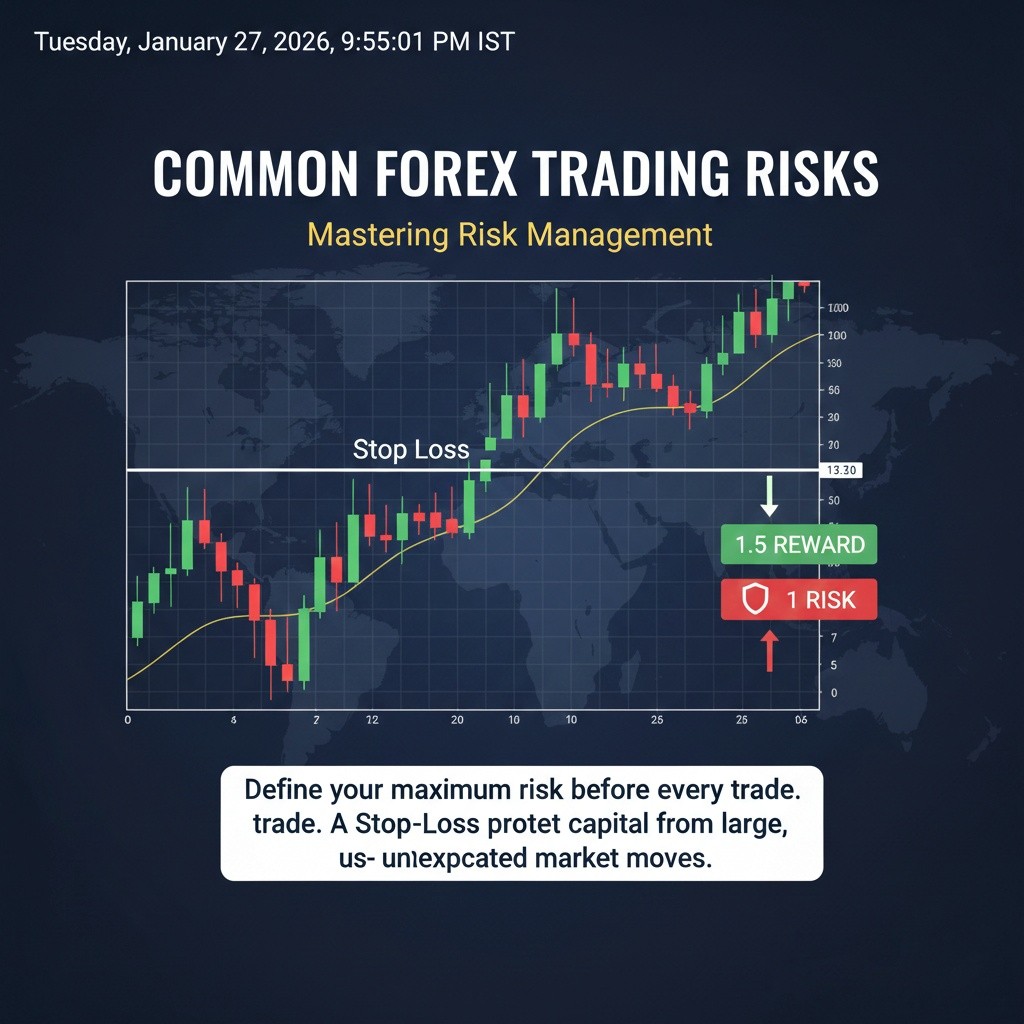
Understanding the risks is more important than learning any trading strategy. In the volatile 2026 market, many factors can cause sudden price changes.
- Market Volatility: Prices can move hundreds of “pips” in seconds due to news releases, such as changes in interest rates by the US Federal Reserve or policy shifts by the CBN.
- Leverage Risk: Leverage allows you to control a large position with a small amount of money. While it can magnify gains, it equally magnifies losses. A small movement against your position can result in the total loss of your deposit.
- Emotional Trading: Fear and greed are the primary reasons beginners lose money. Trading without a plan often leads to impulsive decisions.
- Liquidity Risk: Occasionally, during extreme volatility, you may not be able to exit a trade at the exact price you want.
Beginner Mistakes Nigerians Should Avoid
- Overtrading: Opening too many positions at once out of excitement or a desire to “recover” losses.
- Trading Without a Stop-Loss: A Stop-Loss is a pre-set order that closes your trade automatically at a certain price to prevent further loss. Never trade without one.
- Trusting “Sure Signals”: Be wary of WhatsApp or Telegram groups promising “guaranteed profits” or “100% win rates.” There is no such thing as a guaranteed win in forex.
- Using Unverified Platforms: Depositing money into sites that promise high monthly returns without being regulated by a recognized international authority.
Learning Forex Trading the Right Way
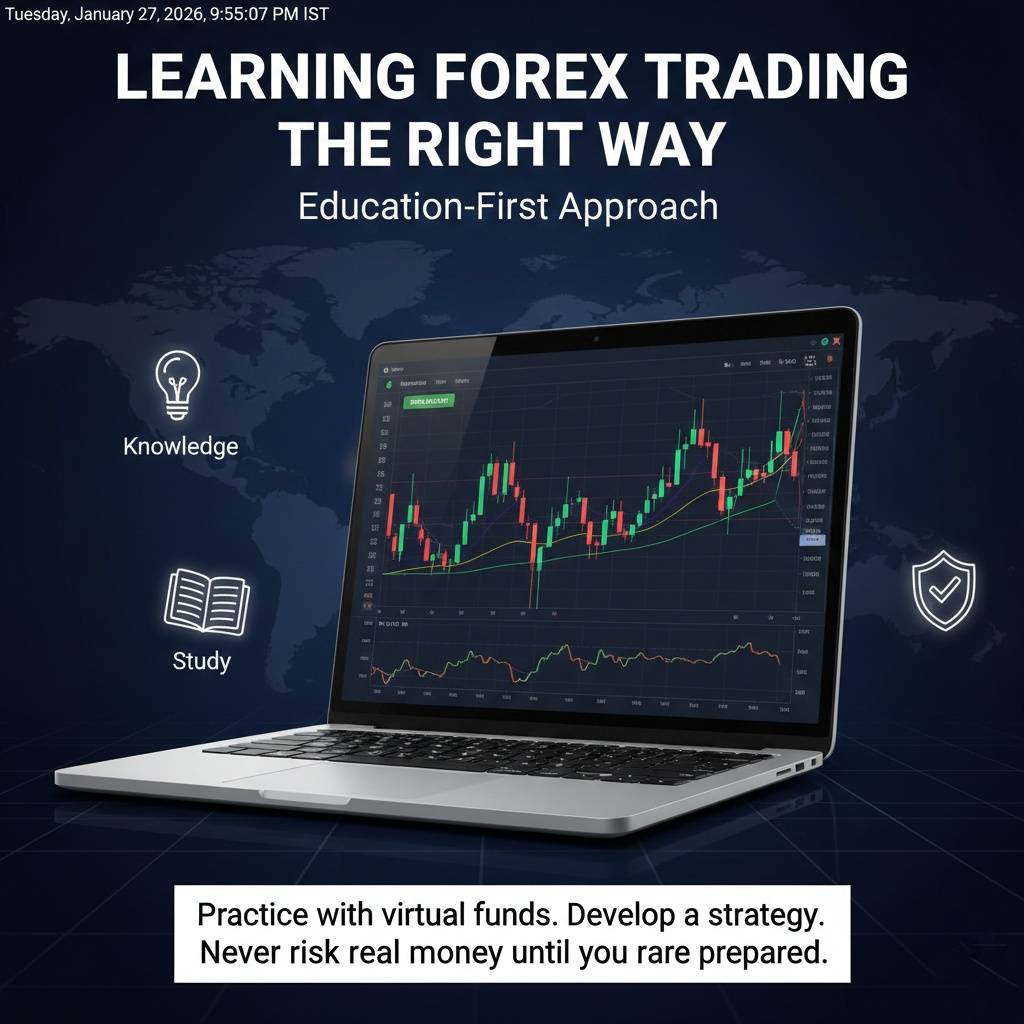
Success in understanding the markets requires a long-term, education-first approach.
- Master the Basics: Understand what pips, lots, and margin are before looking at a chart.
- Use a Demo Account: A demo account uses “fake money” in real market conditions. This is where you should spend months practicing your analysis without risking any actual capital.
- Study Technical Analysis: Learn how to read candlestick patterns and use tools like Moving Averages or the Relative Strength Index (RSI) to understand market trends.
- Develop a Plan: A trading plan is a set of rules that tells you exactly when to enter a trade, when to exit, and how much of your capital to risk.
How to Stay Safe From Forex Scams in Nigeria
Nigeria has seen a rise in scams that use the “forex” name to steal money from unsuspecting beginners.
Red Flags:
- “Guaranteed Profits”: No legitimate trader or indicator can guarantee a win.
- “Account Management”: Never send your money to an individual to trade on your behalf.
- Lack of Transparency: If they cannot name their regulator or explain their strategy clearly, stay away.
- Fake Testimonials: Be skeptical of screenshots showing massive profits; these are easily faked.
FAQ Section
Is forex trading safe in Nigeria? It is legal, but financially high-risk. You can lose all of your deposited capital. It is only “safe” if you treat it as a disciplined business and prioritize education and risk management.
Can beginners learn forex trading? Yes, but it takes time and dedication. It is not a way to “make money fast.” Most successful traders spend years learning the craft.
How much money is needed to start learning? Learning is free! You can use educational websites like earnfx.ng and free demo accounts provided by brokers to practice without any cost.
Are forex profits guaranteed? No. Profits are never guaranteed. The market is unpredictable, and even the best analysis can be wrong.
Is there a specific forex trading tax in Nigeria 2026? While there isn’t a specific “forex tax” category, your gains are generally subject to Personal Income Tax or Capital Gains Tax as per the current laws.
Should I pay for “miracle signals”? No. Trading based on someone else’s signals without understanding the logic is a major cause of failure. Focus on learning to analyze the market yourself.
Conclusion
The year 2026 offers many opportunities for Nigerians to engage with the global economy through the forex market. However, this journey must be approached with humility and a commitment to learning. Understanding forex trading tax in Nigeria 2026 is part of being a responsible participant in the financial world.
Focus on education, use demo accounts to sharpen your skills, and always protect your capital. The goal of trading should be consistency and understanding, not overnight wealth.
Disclaimer: Forex trading involves a high level of risk and may result in the loss of all your capital. This content is for educational purposes only and does not constitute financial or tax advice. Past performance is not indicative of future results.