
Introduction
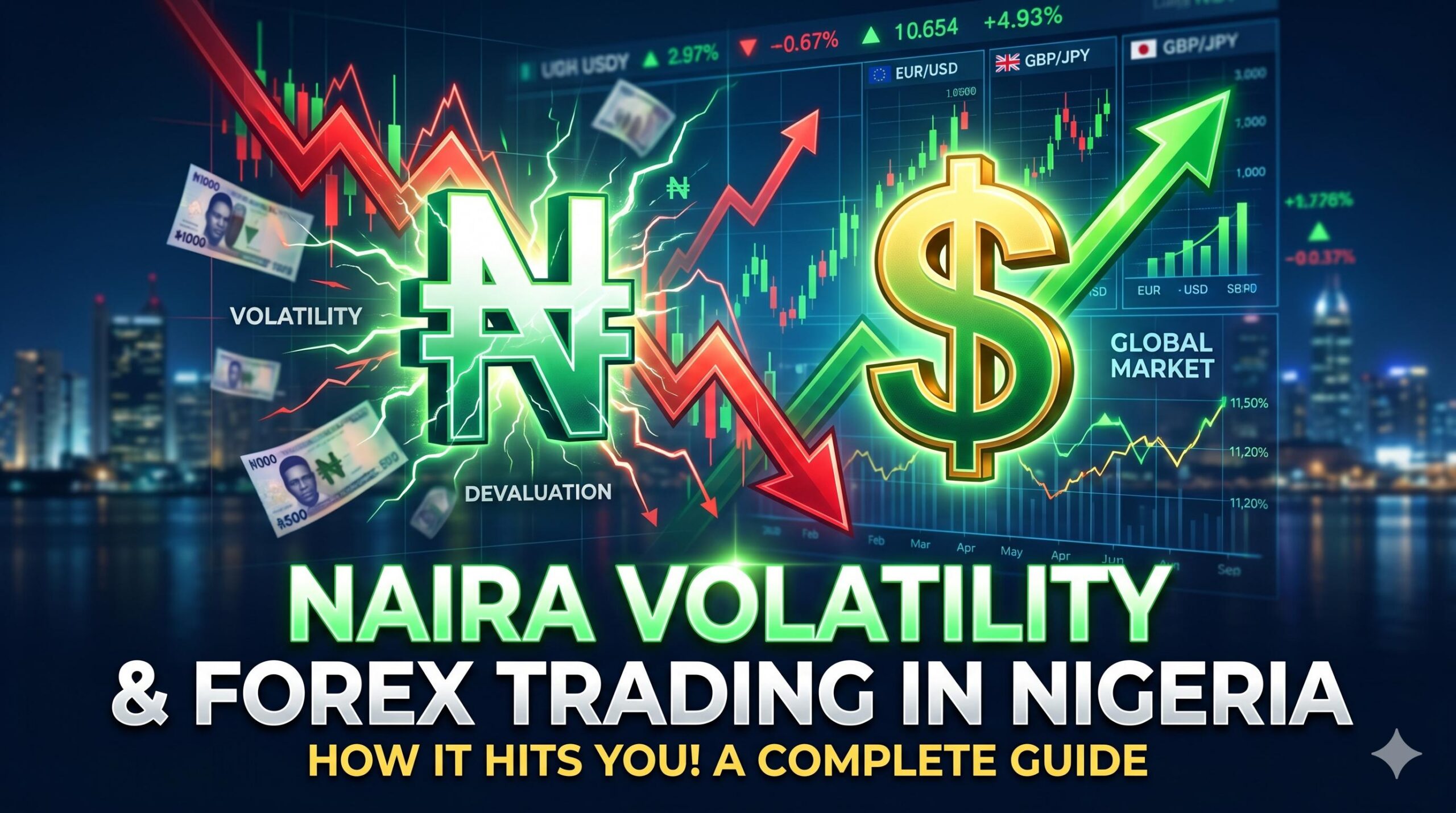
The way naira volatility affects forex trading in Nigeria can be totally seen on your local purchasing power and retail price of trading capital. Naira volatility refers to the rapid, unpredictable change in value of the Nigerian currency against major foreign currencies such as the US Dollar (USD). To fund a standard forex trading account, you will need to spend much more Naira when the Naira depreciates compared to how much it used to cost as this is effectively described in USD terms.
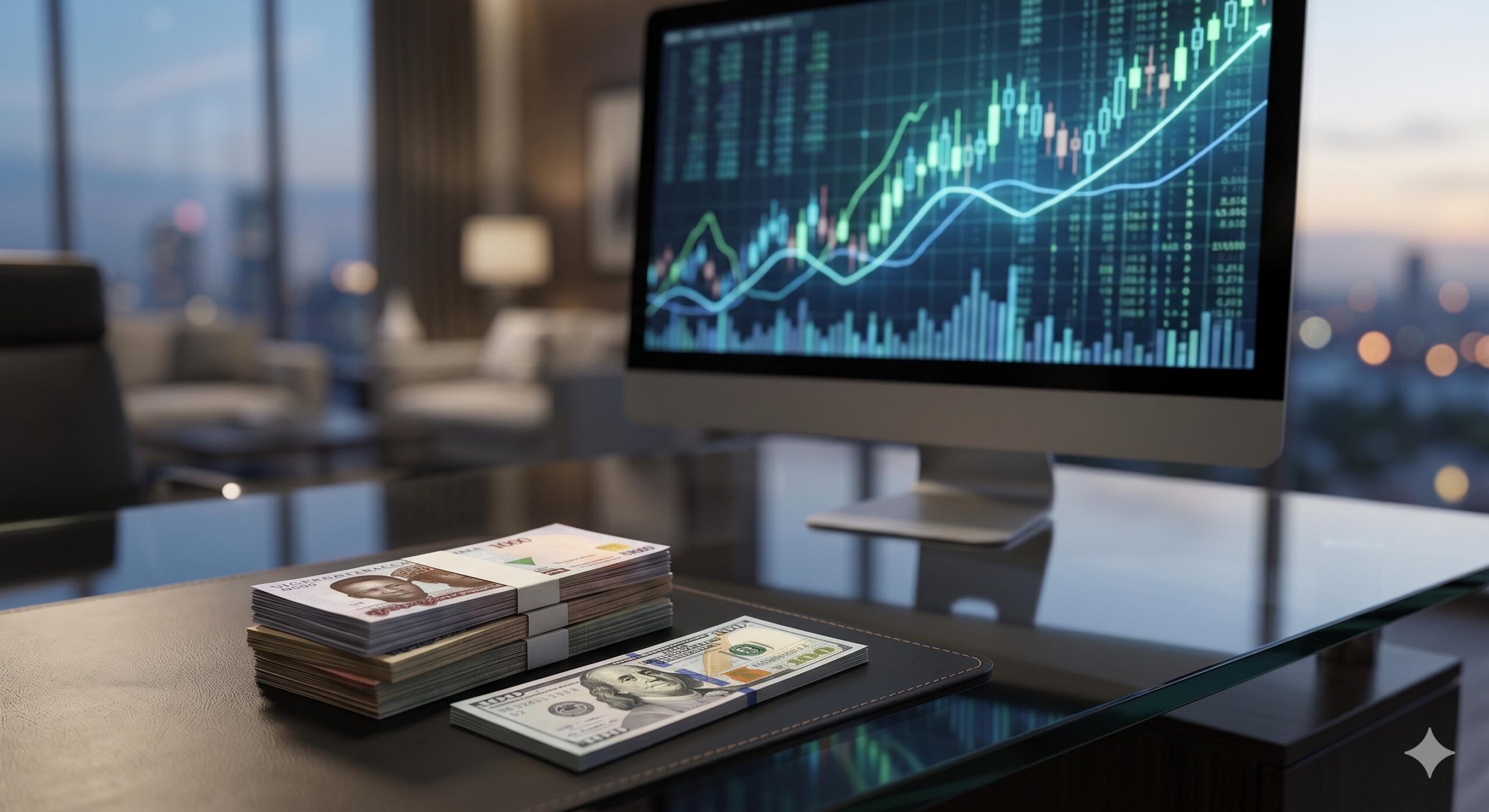
This directly affects how much local currency you require to be able to start learning, the eventual real-world value of your account balance and the purchasing power of withdrawals down the road. Simply put, if you open your first trade in that global market exposure, those volatile Naira exchange rate moves get built-in currency risk.
Table of Contents
What is Naira Volatility?
To understand simply volatility and how it impacts forex trading in Nigeria, we need to start with the definition of what is meant by volatility. In (Macroeconomics), volatility can be defined as the rate and magnitude of price changes for a particular asset. So when we talk about Naira volatility, we are talking about the responsive change in value of the Nigeria Naira from that with international reserve currencies, or put simply with our most stable major currency effect which is normally US Dollar (USD).
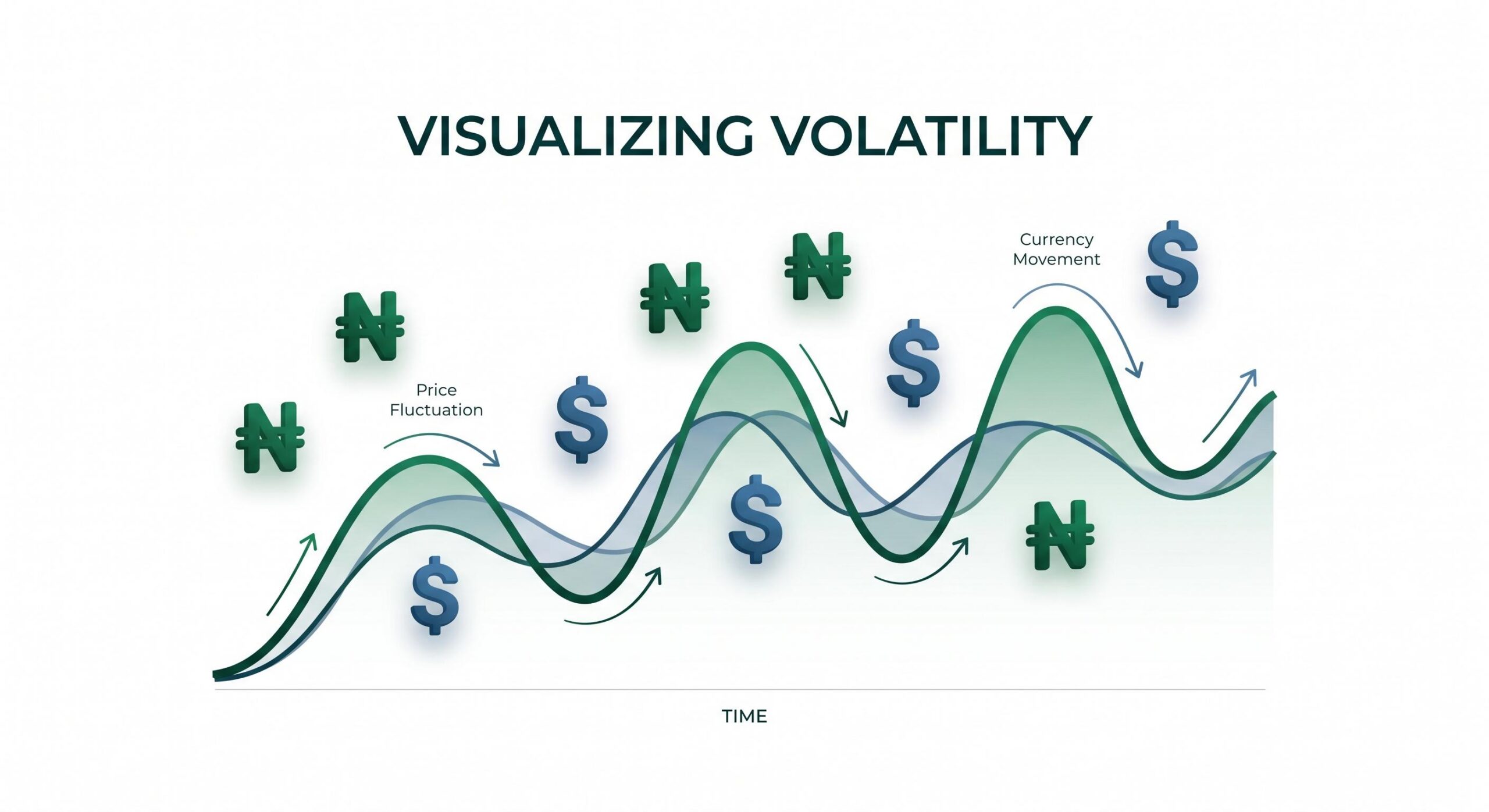
As such, a Nigerian novice could find the amount to get one US Dollar varying from week to week or even day to day. The macroeconomic factors that cause these fluctuations include inflation rate, global oil price, foreign exchange reserves and monetary policies. This domestic economic reality becomes the basis of all global trading activity for a retail forex trader from Lagos, Abuja or Port Harcourt.
The Direct Impact on Trading Capital and Funding
The most immediate impact of Naira volatility on forex trading in Nigeria occurs when you want to fund your account. Global forex brokers are operate using base currencies (the US Dollar is the De Facto standard)

Since, into the global market you can rarely trade directly with a Naira-denominated account, so you have to exchange your domestic currency first into USD in order to make necessary recharge of your personal trading wallet. That means your trading capital is solely dependent on the prevailing exchange rate.
Consider this educational example:
- Scenario A: If you want to fund an account with $100 and the exchange rate is 1,000 NGN to 1 USD, your initial capital requirement is 100,000 NGN.
- Scenario B: If the Naira experiences high volatility and depreciates to 1,500 NGN to 1 USD a few months later, that exact same $100 account will now cost you 150,000 NGN to fund.
For a beginner, this means the barrier to entry can shift dramatically. It requires constant reassessment of your personal budget and risk tolerance. You are not just managing the capital required for the trade itself; you are managing the rising or falling cost of simply acquiring that capital.
The Concept of “Double Risk” for Nigerian Traders
Yes, one of the most important concepts we teach you here at earnfx. ng is risk awareness. Nigerian traders were thus put in a “double risk” situation due to local economic conditions.

- Market Risk (The Global Trade): This is the normal risk every trader faces. If you trade the Euro (EUR) versus the US Dollar (USD), that is speculating on the world. If the market does not behave as you expected, you will lose your capital.
- Currency Risk (The Local Exchange): Currency Risk (The Local Exchange) The value of your capital in your local currency can fluctuate, even if you are net profitable or net breakeven on a global trade.
So, if you have a $100 balance (for example) in your trading account, and then the Naira suddenly strengthens (appreciates) against the Dollar (exchange rate now takes USD1 = NGN400), the Naira value of your Trading account reduces. On the contrary, a Naira regress will cause the local to grow. It implies that you may know the actual value of your finances in Nigeria if at all, and this is changing continuously because of local volatility which has nothing to do with how good a trader you are or what you have done on the trading charts.
How Fluctuating Rates Affect Withdrawals
When a trader attempts to withdraw their capital, that is where the true implications of how Naira volatility affects forex trading in Nigeria become evident — just as funding is affected. This phase is often skipped by beginners, but is intrinsically linked to currency stabilization in accordance with the local.
For example, upon paying out your withdrawal from a USD-denominated broker to a Nigerian bank account, the money has to then be converted back to Naira. It is the day you decide to pull the trigger which sets your local purchasing power according to the exchange rate wijscorss.
If a trader withdraws $50 the amount of Naira they receive depends solely on how bad the market is if it was that week. They will receive less Naira than I suspect they had reckoned on, provided the Naira has strengthened somewhat since when they funded the account. It is this unpredictability that makes it nearly impossible for newbies to strategize their personal finances or gauge their genuine trading performance in local currency terms.
The Psychological Toll of Local Volatility
takes extreme focus, discipline and emotional control. But with the volatility of the Naira, those traders are subject to an external psychological pressure that a trader in a more economically stable country would not face.
A concern about gripping value of your national currency makes decision-making emotional for a beginner. A trader might:
- Rush to fund an account out of fear that the Naira will lose more value tomorrow.
- Hesitate to withdraw capital, hoping the exchange rate will become more favorable.
- Feel artificial pressure to recover capital lost strictly due to exchange rate depreciation rather than trading mistakes.
At earnfx. NT in Spain, we tell you that if you’re trading your money right now, cut the connection with the local economy from your thought process until further notice. Se Trawling for the Naira and Trading with it on your EUR/USD or GBP/JPY is a Death am asking you right now please be careful about this,While reading my article you were to let the volatility of your country dictate how you trade this is the most dangerous habits I have ever seen which forswears logical risk management.
Forex vs Crypto Trading in Nigeria: A Complete Beginner’s Guide
Practical Risk Awareness and Next Steps
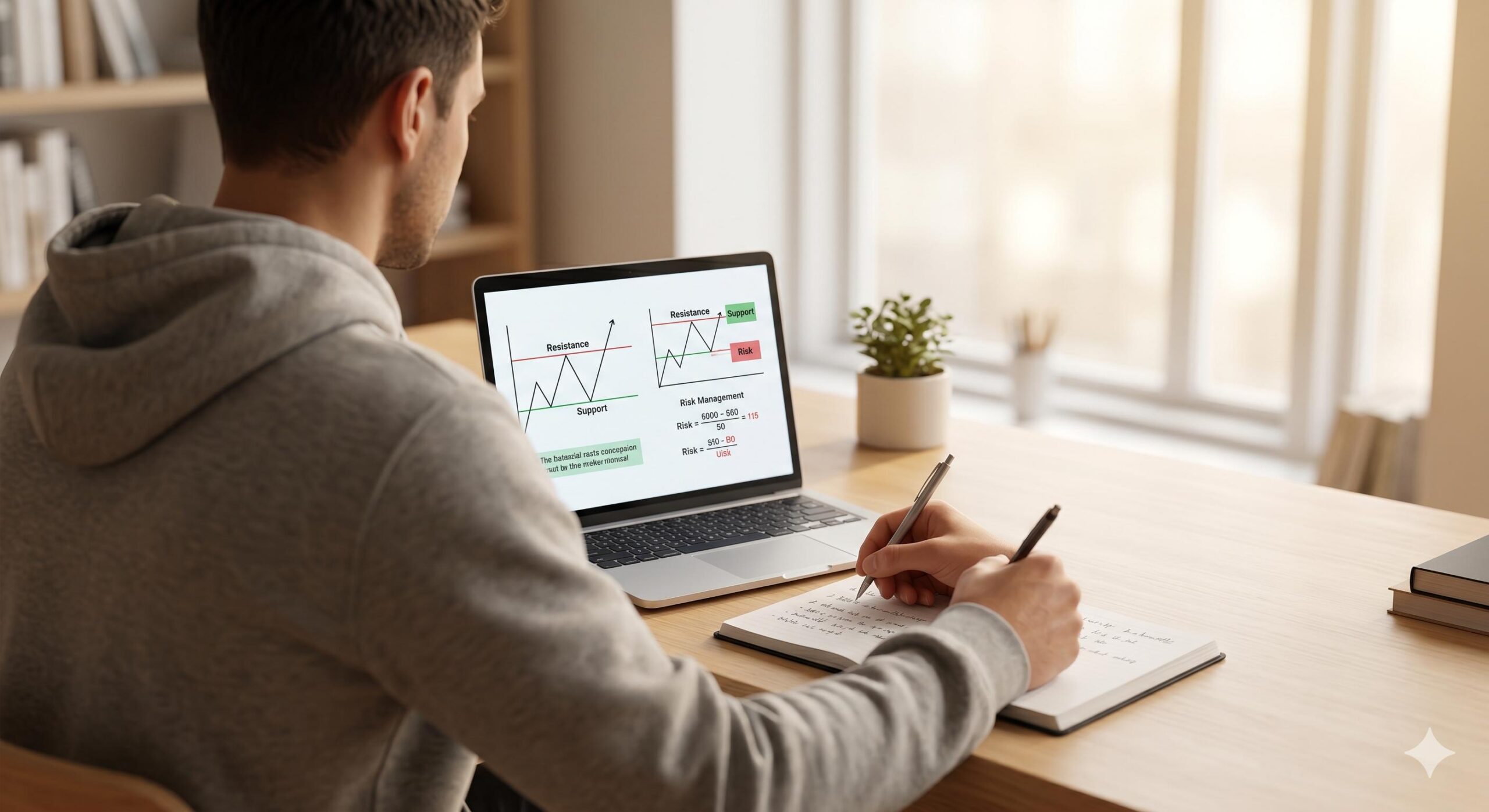
The information that informs how Naira volatility figures into the broader picture of forex trading in Nigeria is the essential first step on the path towards market-educated engagement. Except for absolute fools, beginners must understand that the forex market is not a guaranteed hedge against local inflation or an instant solution to remedying the devaluation of local currency. This is a very niche, high-stakes financial marketplace that takes years to really understand.
Beginners can approach this landscape responsibly by focusing on:
- Education First: Use demo accounts (simulator trading where no real capital is risked) before putting your hard-earned money at rest. This also gives you an opportunity to gain some understanding of how market mechanics work without the major pressures associated with local currency movements.
- Capital Preservation: Never invest money you need to eat, or pay rent or school fees. So the cumulative risk of global market volatility and local Naira fluctuations makes capital loss an almost certainty for new players.
- Long-Term Understanding: Learn the foundational principles of world economies, interest rate impacts and technical analysis rather than worrying about exchange rates on a day-to-day.
Accepting the fact of Naira volatility, gives Nigerian newbies a bold face into forex education.
Frequently Asked Questions (FAQ)
1. Can I trade forex directly with Naira? While some brokers allow you to see your balance in Naira, the actual trades occur in global currency pairs (like GBP/USD). Your Naira is usually converted into a base currency (like USD) behind the scenes to interact with the global market.
2. Does a weakening Naira mean I should trade more? No. A weakening Naira simply means the cost of living and the cost of trading capital are rising. You should only trade based on a solid educational strategy and a clear understanding of market risks, not as a reaction to local currency devaluations.
3. Is Naira volatility good for beginners? Generally, high volatility is a risk factor, not a benefit. For a beginner, stability is easier to manage. High volatility in your local currency adds stress and makes financial planning much more complicated.
4. How much Naira do I need to start trading? This depends entirely on the current exchange rate and your broker’s minimum deposit. Because of Naira volatility, this amount changes daily. It is best to check the current USD/NGN rate and add a buffer for transaction fees.
5. How can I protect my capital from Naira volatility? The most effective way is through education. By understanding that your capital is held in USD, you can better calculate your risks. However, there is no way to fully “eliminate” the impact of the exchange rate when you eventually need to spend that money in Nigeria.
Conclusion
For any local beginner, first knowing what influence does Naira volatility have on forex trading in Nigeria is a necessary basic. It impacts everything, from your first deposit to your last withdrawal. You cannot keep the Naira from changing in value, but you can control how you react to it.
While this may seem difficult, as long as you prepare yourself with education, practice on demo accounts & have a strict risk-management protocol in place, getting to grips with the global market without losing touch of local economic changes can be achieved; making Forex trading more straight forwards than it first appears. Note also that the initial goal of a beginner should be to master the skill of trading; currency risk management will come with time and discipline. Your greatest weapon is a sharp, clear-minded brain and with the wisdom you know that Trading is a marathon not a sprint.