
Introduction
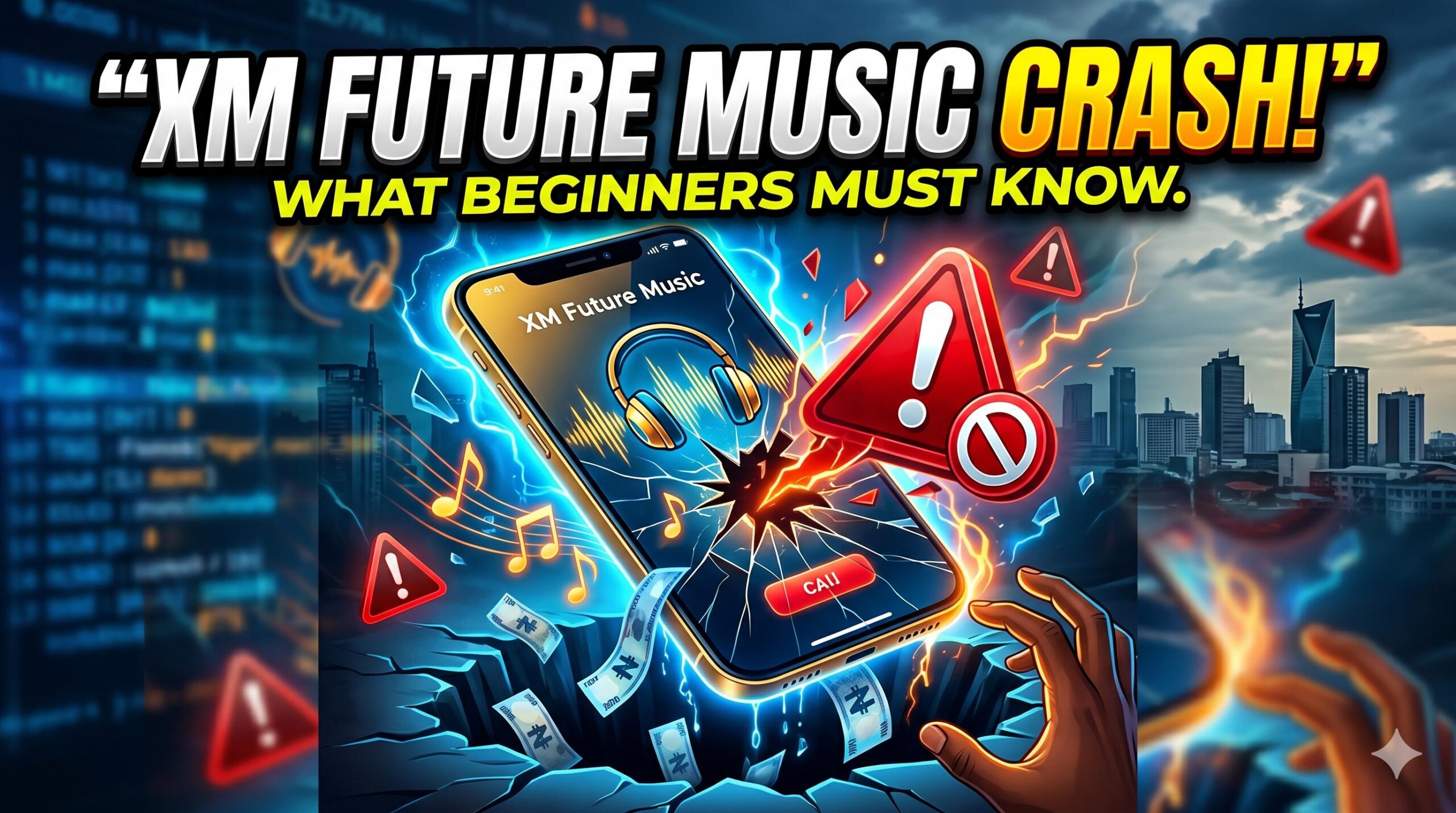
If you are searching for XM Future Music, the entity you are inquiring about is an unregulated online investment platform that recently collapsed in Nigeria. The platform used the profit-making gimmick of earning returns by completing tasks that involve listening to music, and promised a maximum 100% return over a 30-day period. It has now fully collapsed, leaving the funds of a large number of Nigerian users trapped and inaccessible.

It is critical for beginners to understand that XM Future Music is completely unrelated to legitimate forex trading. It also has absolutely no connection to the regulated, global forex broker that happens to share the “XM” name. This platform operated on a model resembling a Ponzi scheme, not actual financial market participation.
Mandatory Disclaimer: Trading and investing in any financial market involve significant risk of loss. This article is strictly for educational purposes, focusing on risk awareness, and does not constitute financial advice.
Table of Contents
How the XM Future Music Scheme Operated (And Why It Failed)
To build genuine financial literacy, it is important to analyze why platforms like XM Future Music inevitably fail. The platform presented itself to Nigerians as a music promotion service. Users were told they could generate massive wealth simply by streaming songs and performing basic digital activities.
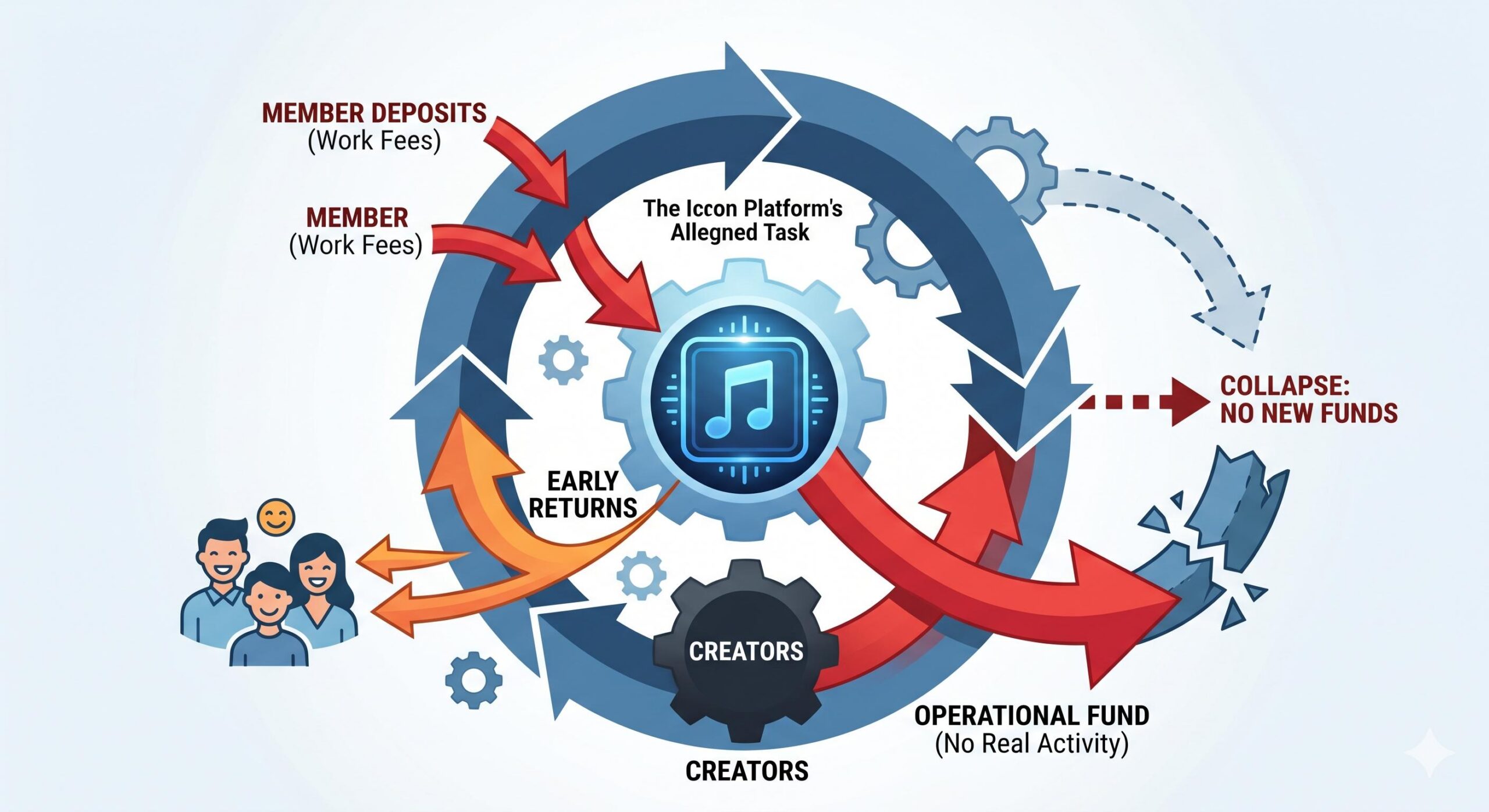
However, there was a catch: users were required to pay a “work deposit” to access the platform. Entry packages ranged from ₦21,600 up to tens of millions of Naira. Promoters made extraordinary claims, such as suggesting an investment of ₦21 million could generate ₦327 million in just one month.
In real economics, these numbers are mathematically impossible to sustain. Legitimate businesses and financial markets do not generate 100% guaranteed monthly returns. When the XM Future Music platform suddenly halted withdrawals, deleted its support groups, and became completely inaccessible, it exhibited the classic signs of a Ponzi scheme. In these systems, early participants are paid using the deposits of newer members. Once new deposits slow down, the system collapses, which is precisely what happened with XM Future Music.
XM Future Music vs. Real Financial Markets
Many beginners with no trading knowledge easily confuse task-based investment schemes with actual financial trading because promoters often use confusing financial jargon. However, understanding the difference is a core part of your financial education.
If you remove the name XM Future Music and look solely at its business model, it collapses under the scrutiny of basic financial principles. Here is a clear comparison between unregulated “guaranteed return” platforms and genuine financial markets like forex or stocks:
| Feature | XM Future Music (Task Schemes) | Real Trading (Forex/Stocks) |
| Returns | Promised guaranteed, fixed high returns (e.g., 100% in 30 days). | Variable. Depends on market conditions and trader skill. Losses are common. |
| Mechanics | Paying a “deposit” to click buttons or listen to music. | Analyzing economic data to buy/sell assets on regulated exchanges. |
| Risk Transparency | Risks are hidden or denied; profits are guaranteed. | Risks are heavily emphasized. No legitimate broker guarantees profit. |
| Regulation | Unregulated, often using fake foreign registrations. | Regulated by recognized financial authorities (e.g., SEC, FCA). |
Identifying Red Flags: Educational Takeaways
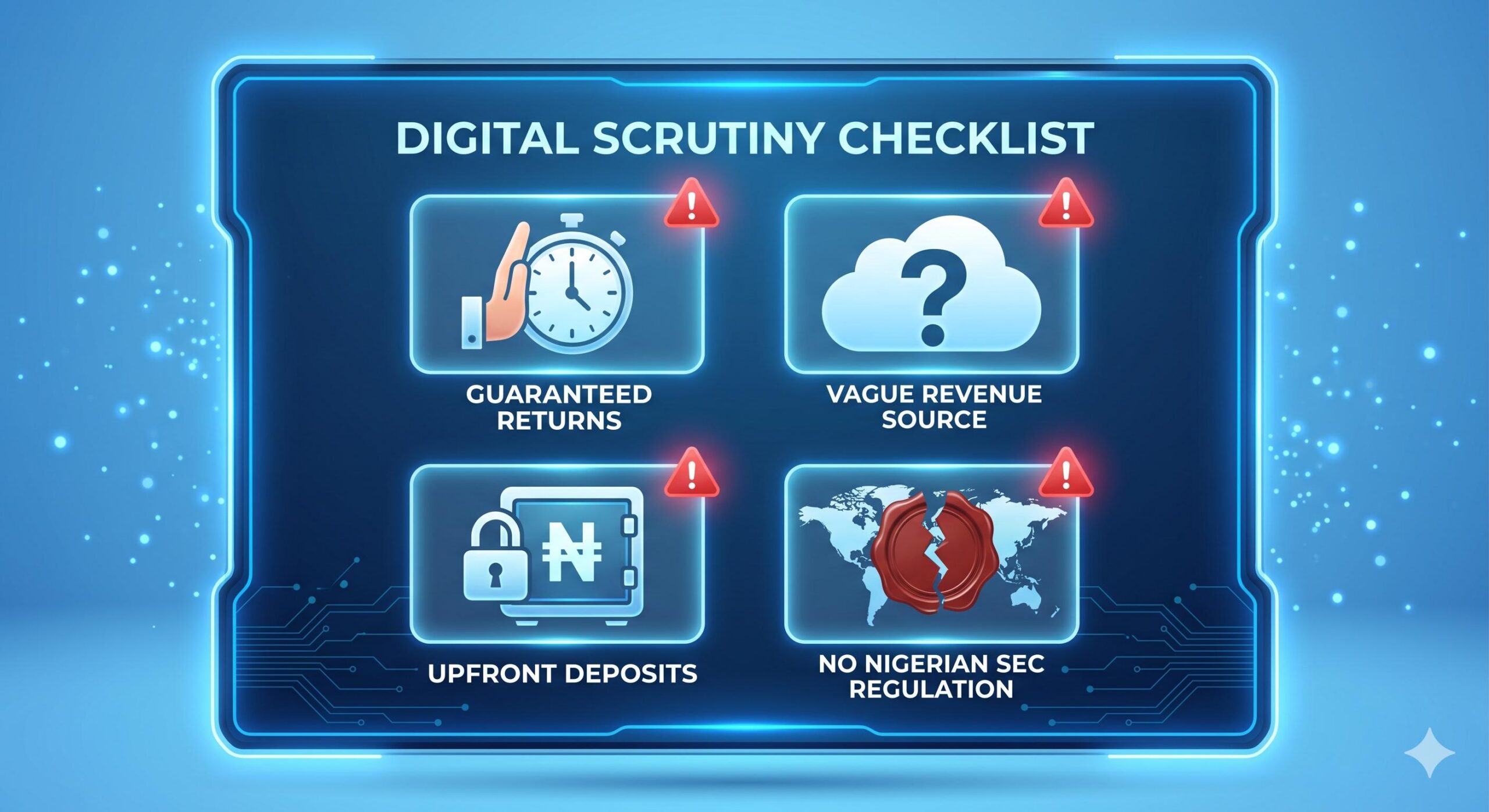
The most valuable lesson beginners can take from the XM Future Music incident is learning how to spot red flags. Before committing capital to any online venture or trading account, you must conduct strict due diligence. The warning signs ignored by many in this scheme are common across the internet:
- “Make Money Fast” Promises: Any platform offering to double your money in a matter of weeks is statistically likely to be fraudulent. Real trading is a slow, methodical process of managing risk.
- Vague Revenue Sources: XM Future Music claimed to pay massive returns for listening to music. Ask yourself: Where is the actual money coming from? No music streaming service pays hundreds of millions of Naira for basic listens. If the revenue model does not make logical sense, it is a red flag.
- Upfront “Work” Deposits: In legitimate freelance work or digital tasks, you do not pay your employer to start working. In legitimate trading, your deposit is your own capital to trade with, not a “fee” paid to unlock a system.
- Lack of Local Regulation: Promoters often claim their platforms are registered in foreign countries (like the USA or UK) to appear legitimate. However, if they are soliciting funds from Nigerians, they should be transparent and recognized by the Nigerian Securities and Exchange Commission (SEC).
What Beginners Should Focus on Instead
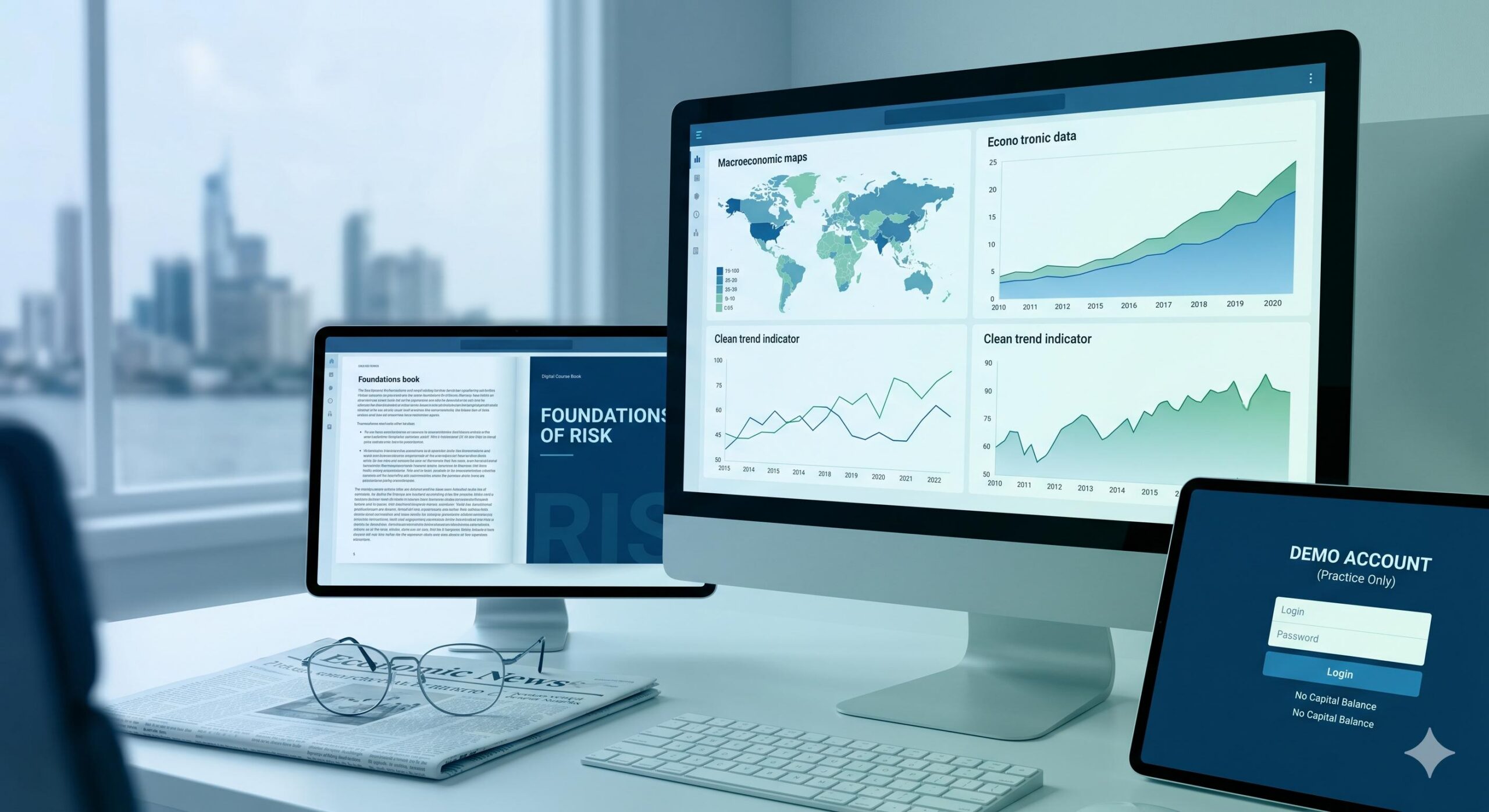
Instead of looking for shortcuts or “guaranteed income” systems like the XM Future Music platform, beginners should focus entirely on foundational financial education.
If you are genuinely interested in the financial markets, such as forex trading, your journey must start with education, not capital. Real trading requires you to understand macroeconomics, geopolitical events, and technical analysis. You must learn how to protect your capital using strict risk management rules, such as never risking more than 1% to 2% of your account on a single trade.
True financial empowerment comes from understanding that there are no guarantees. Successful traders spend months or even years practicing on virtual “demo” accounts before ever risking real money. They focus on preserving their funds rather than chasing unrealistic profits. The collapse of XM Future Music is a harsh but vital reminder that if an opportunity sounds too good to be true, it always is.
MT4 vs MT5 for Nigerian Traders: The Complete Beginner’s Guide
Frequently Asked Questions (FAQ)
1. Is XM Future Music a forex trading broker?
No. XM Future Music was an unregulated digital platform that promised returns for listening to music. It has absolutely no connection to forex trading or the legitimate, globally regulated forex broker known as “XM”.
2. Why did the XM Future Music platform crash?
in its unsustainable business model: the platform attracted deposits from new users by promising a 100% return within 30 days, using these new funds to pay out returns to existing long-term users. After the inflow of new capital dried up, the founder shut down the platform’s access permissions.
3. Can I make guaranteed money in forex trading instead?
the same question: Can foreign exchange trading generate steady profits with no risk of losses? The answer is no. This type of investment offers no profit guarantees, it is classified as a high-risk investment, and losses are a very common occurrence. Any platform or individual that promises profits is misleading you.
4. How can I protect myself from similar online schemes?
fraud? You may first verify the platform’s qualifications with the Securities and Exchange Commission of Nigeria, reject all projects that promise fast, principal-guaranteed returns, and supplement your learning of formal basic finance and risk control knowledge.