
Introduction
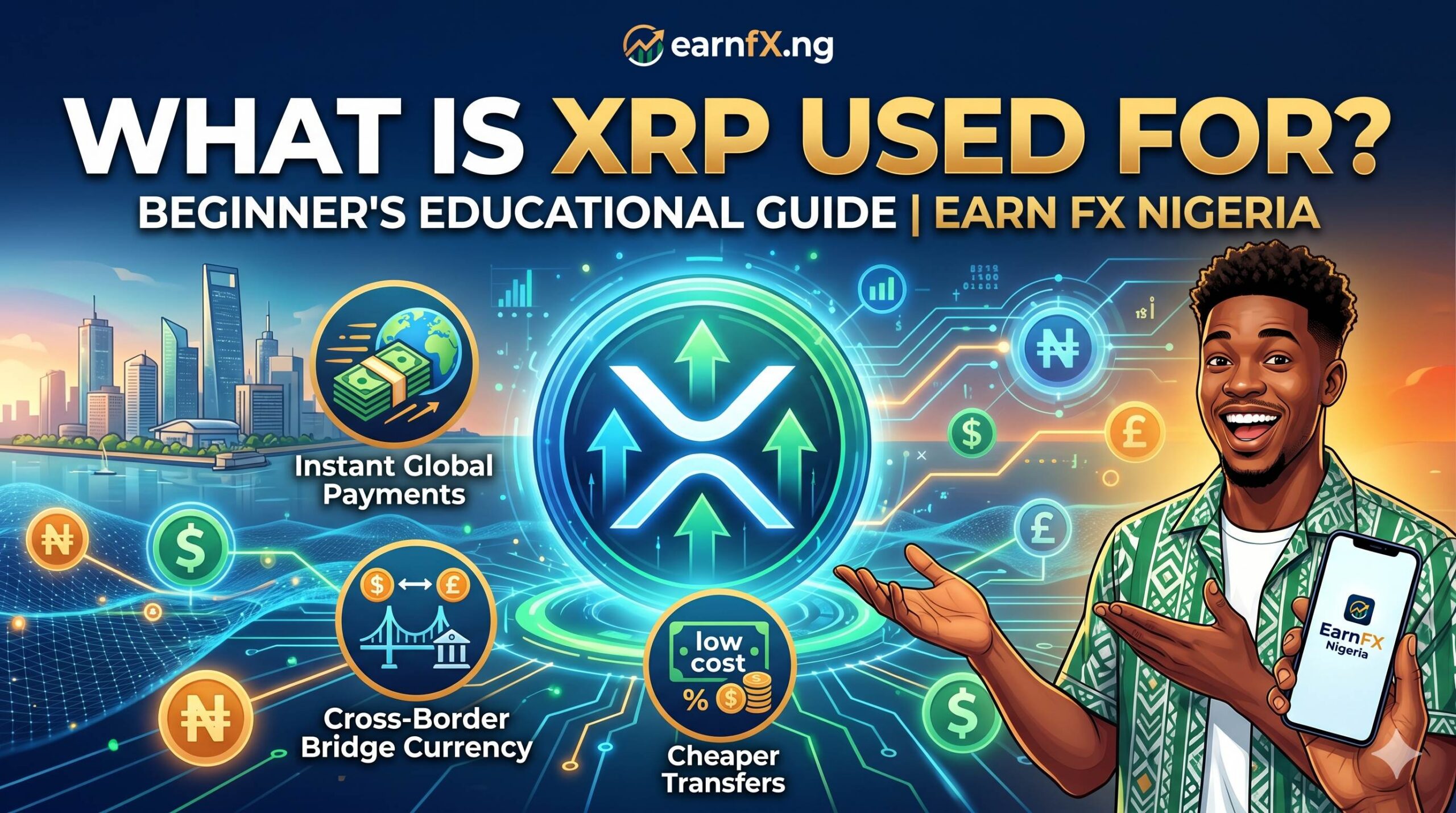
What Is XRP Used For? Many novices new to digital finance often ask the same question: what exactly is XRP used for? XRP is a crypto asset specifically built to serve cross-border payment needs. Unlike other digital assets such as Bitcoin, which are positioned
as store-of-value tools or decentralized currencies for daily use, XRP is primarily designed for adoption by financial institutions and payment providers. It can shorten the processing time of cross-border transactions from several days to just a few seconds, while incurring extremely low fees. Understanding this unique utility is a necessary foundational requirement for novices to digital assets, in Nigeria and across the globe, to properly start learning the field.
Important Disclaimer: Trading involves substantial risks. earnfx.ng solely provides educational content, which does not constitute any form of financial advice. Past market performance cannot guarantee future returns.
Table of Contents
The Main Problem XRP Tries to Solve
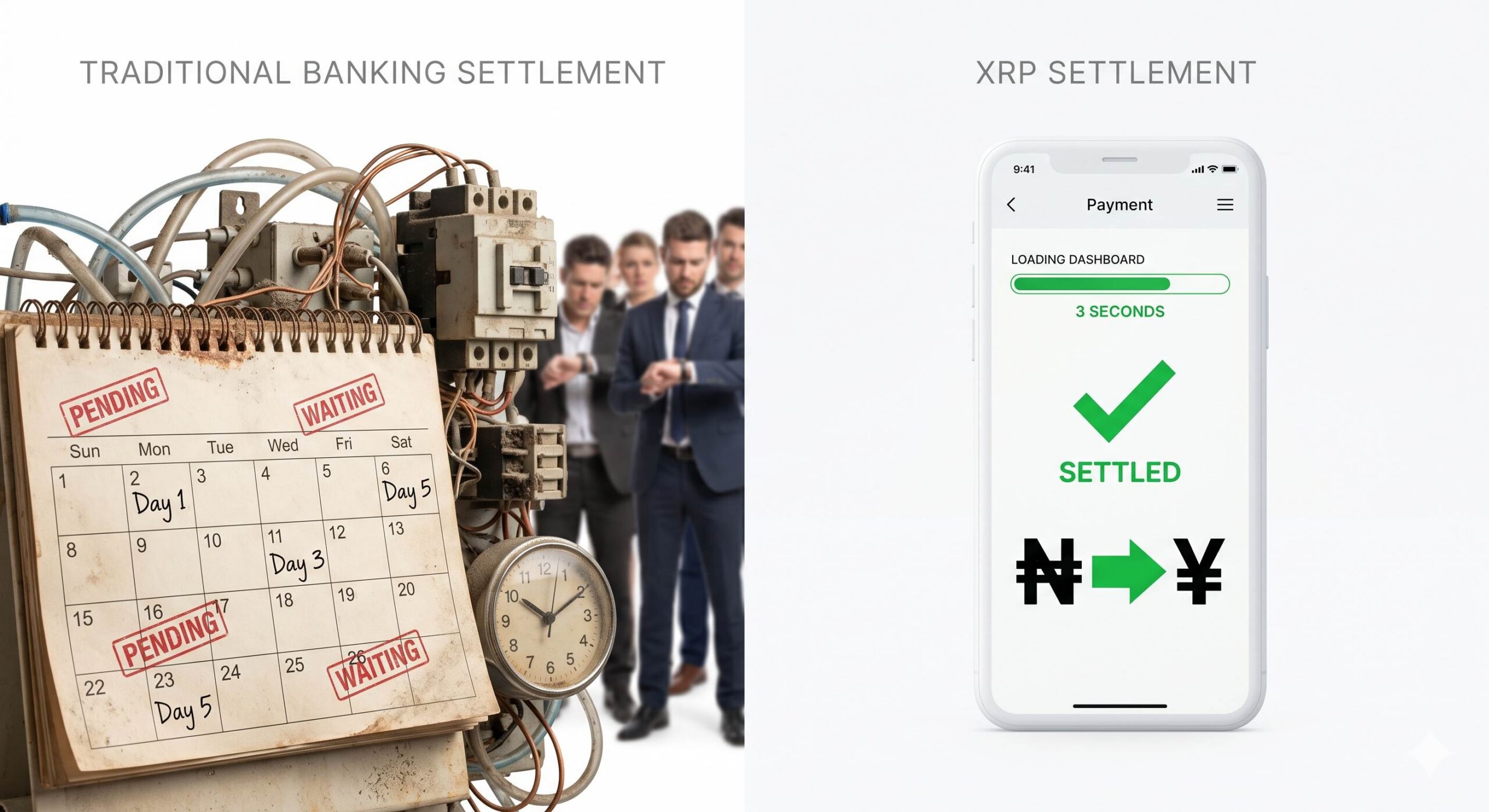
To understand the use of XRP, one must first clarify the core problem that its original
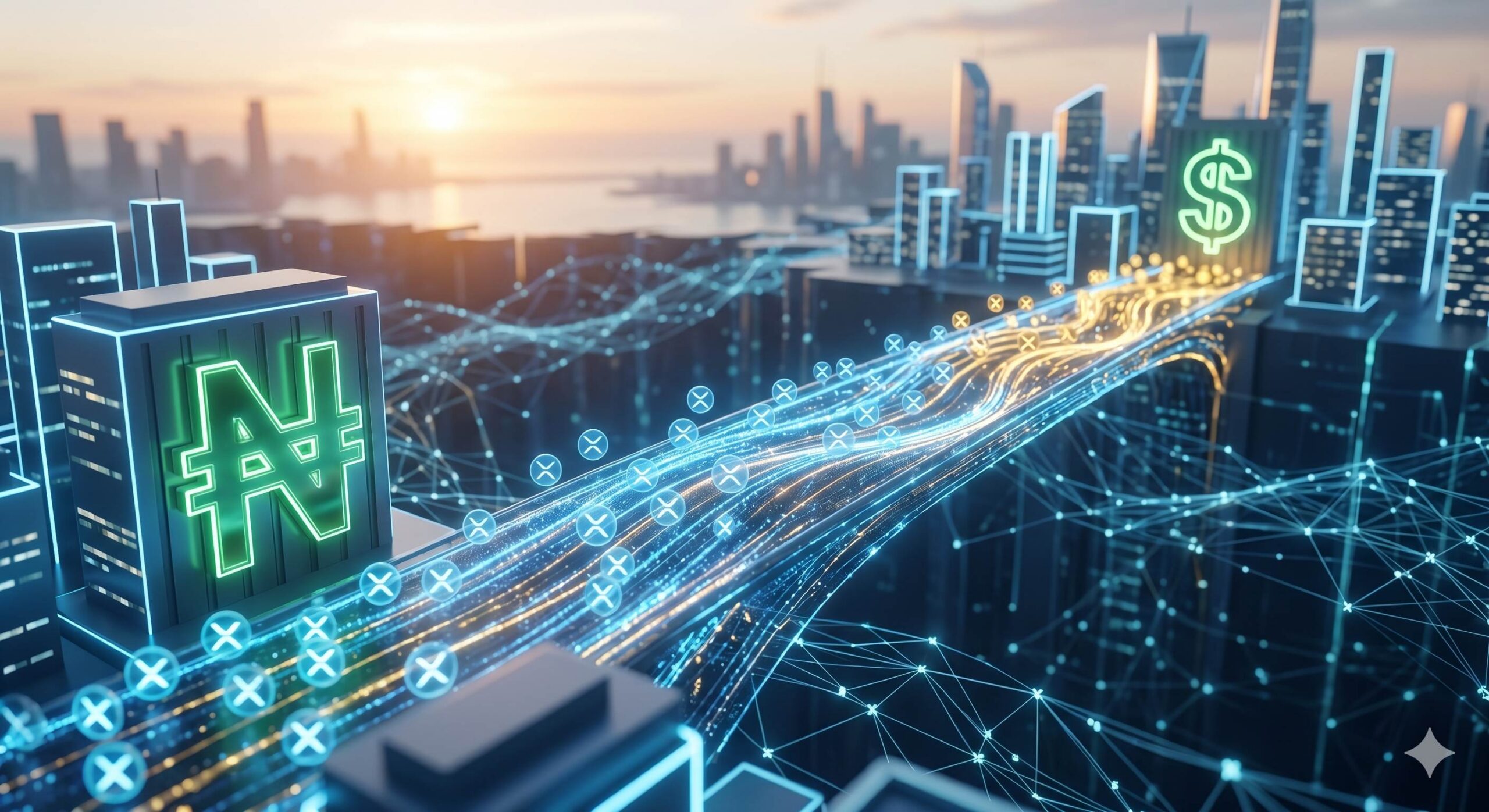
design was created to solve. If a business in Nigeria needs to send a payment to a supplier in Japan, the traditional process has to pass through multiple intermediary banks, which takes 3 to 5 working days, incurs high service fees at every step, and requires partner banks to hold large amounts of foreign exchange reserves in accounts located across the globe. As an
alternative solution, XRP acts as a digital bridge between different fiat currencies, enabling near-instant transaction settlement. This concrete scenario explains the otherwise abstract financial problem in a clear, easy-to-understand way.
Breaking Down the Utility: What Is XRP Used For?
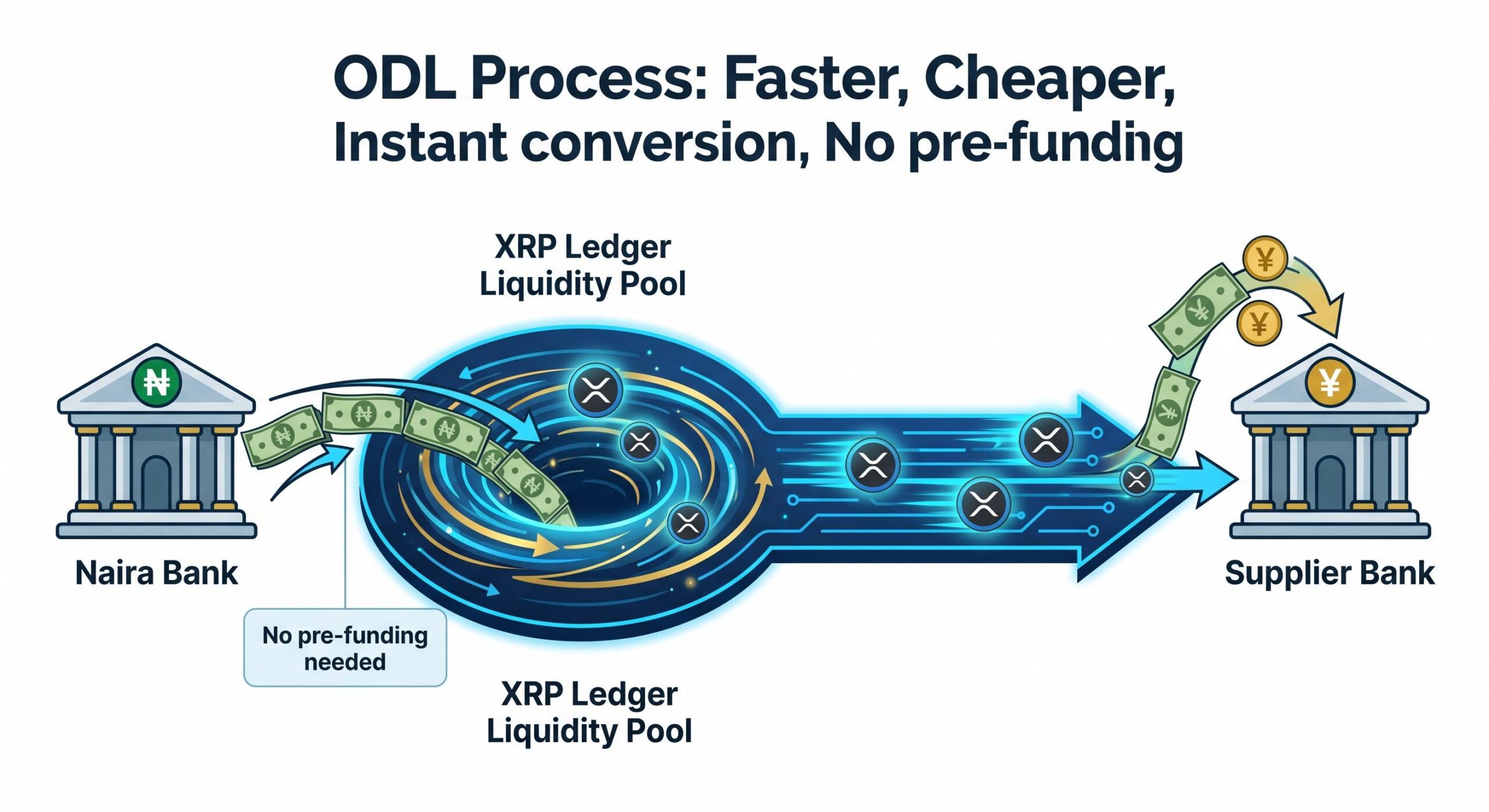
The utility of XRP can be divided into a few core functions. Let us look at exactly how this digital asset is utilized in the real world:
1. Cross-Border Payments
What purposes XRP serves, and its most widely adopted application scenario is international remittance. Settlement can be completed in only 3 to 5 seconds relying on the XRP Ledger, which offers a clear efficiency advantage compared to the multi-day waiting period of traditional bank wire transfers.
2. On-Demand Liquidity (ODL)
Liquidity (ODL) to resolve the pre-funding pain point of traditional cross-border payments: when conducting cross-border payments, traditional foreign exchange and banking institutions must pre-deposit funds in the recipient country, which locks up large volumes of liquidity. XRP completes transactions through the process of converting the originating local currency to XRP, cross-border transmission, and converting back to the destination’s local currency, which can free up millions of dollars in idle funds that were previously locked up.
3. Microtransactions
Transaction fees of the XRP network are only a fraction of one US cent, and it delivers extremely high efficiency for processing micropayments that involve the remittance of very small sums of money. The fixed transaction fees of traditional credit cards and bank transfers create barriers to this type of business, while the underlying infrastructure of XRP can easily support these relevant demands.
How XRP Relates to Forex and Trading Markets
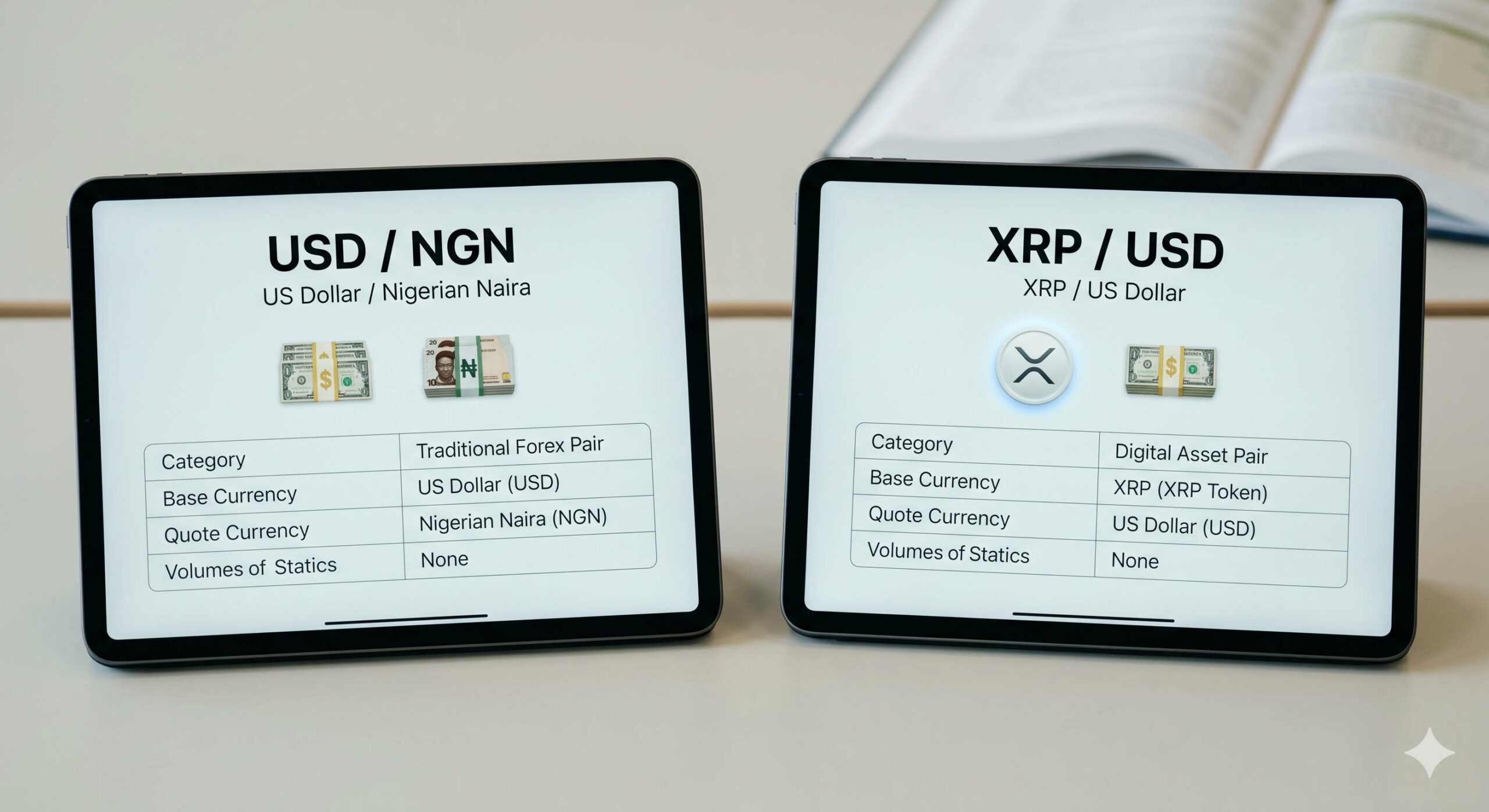
At earnfx.ng, our goal is to educate you on the mechanics of financial markets. So, how does understanding what XRP is used for connect to trading?
In the traditional foreign exchange (forex) market, traders exchange one fiat currency for another (for example, swapping US Dollars for Euros). Digital assets like XRP are also traded on open markets, operating similarly to forex pairs.
- Asset Pairing: Just as you might study the USD/NGN (US Dollar to Nigerian Naira) exchange rate, XRP is traded against fiat currencies, such as XRP/USD.
- Price Discovery: The price of XRP fluctuates based on global supply and demand. Traders study the market to understand these price movements.
- Utility-Driven Value: Unlike some digital tokens that exist solely for speculation, XRP’s market activity is often analyzed by looking at its real-world utility. When traders evaluate XRP, they often research how many financial institutions are adopting its technology for the cross-border payments we discussed above.
Understanding the fundamental use case of an asset is a critical educational step before anyone even considers looking at a price chart.
The Risks of Trading Digital Assets Like XRP
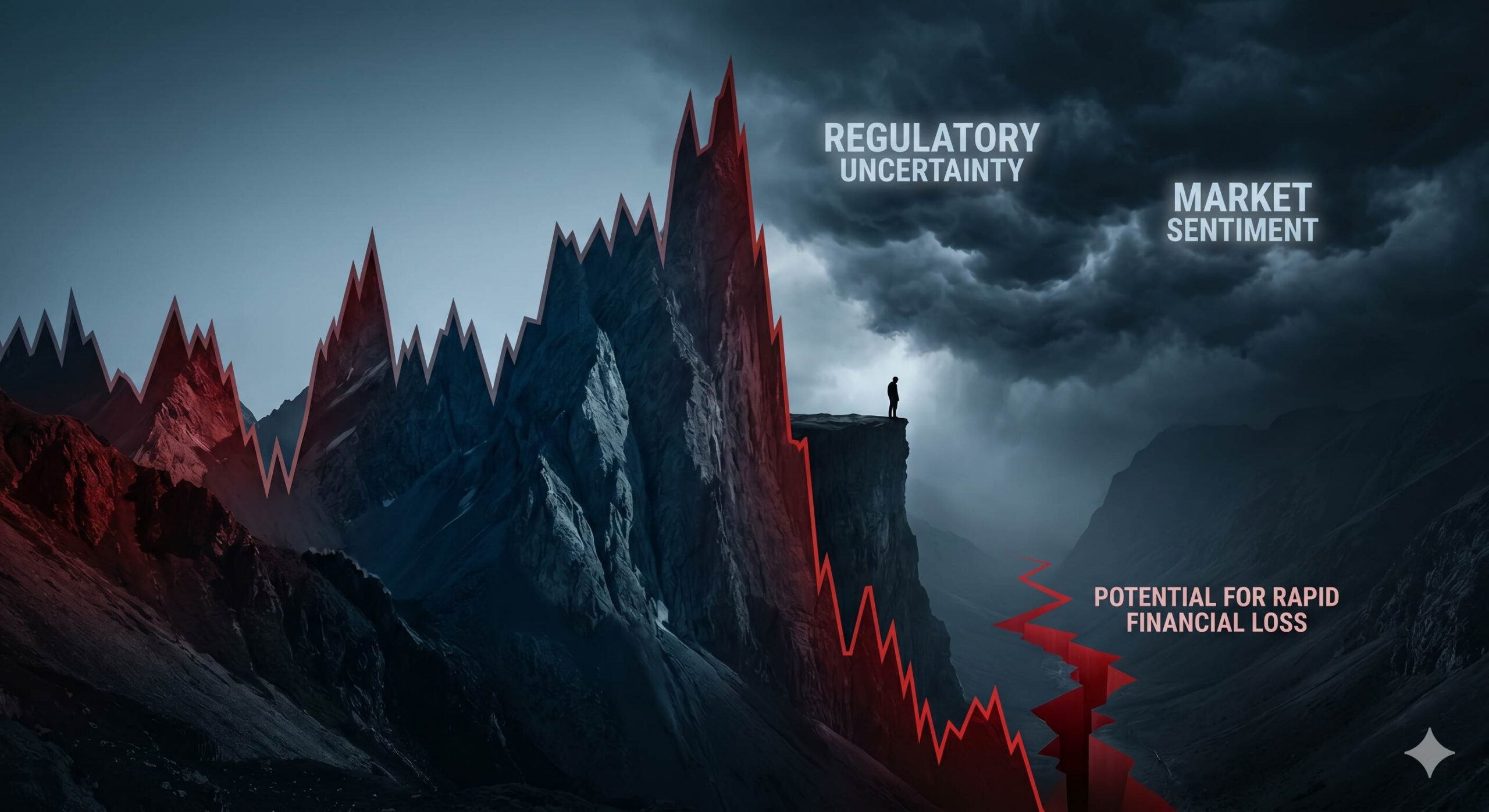
It is crucial for beginners to understand that knowing what XRP is used for does not eliminate the risks associated with the financial markets. Education is your best defense against market hazards. Here are key risks to be aware of:
- Extreme Volatility: Digital asset markets are highly volatile. The price of XRP can rise or fall dramatically within a single day. This volatility can result in rapid, significant financial loss.
- Regulatory Uncertainty: Because XRP is used globally by financial institutions, it is heavily scrutinized by government regulators. News regarding legal disputes or new banking regulations can cause sudden and unpredictable shifts in its market value.
- Market Risk: There are no guarantees in trading. Even if an asset has a strong real-world use case, external economic factors, global news, and market sentiment can negatively impact its price.
Never engage with the financial markets looking to “make money fast.” Professional market analysis requires patience, strict risk management, and a deep understanding of market mechanics.
Understanding the Nigeria Digital Switchover 2026 and Its Impact on Digital Trading
Conclusion
When asking what is XRP used for, the answer revolves entirely around speed, efficiency, and solving the friction of international finance. It is a digital bridge currency engineered to facilitate cheap, instant cross-border payments and eliminate the need for banks to hold pre-funded foreign accounts. By understanding this core utility, beginners in Nigeria and beyond can better grasp how digital assets are fundamentally different from traditional fiat currencies, and why they are monitored in the global trading ecosystem.
Frequently Asked Questions (FAQ)
1. Is XRP a fiat currency like the Naira or the US Dollar?
XRP is a cryptocurrency that runs on a decentralized ledger. It is not issued or controlled by the central government or central bank of any sovereign state, and can be used by banks to efficiently transfer various types of fiat currencies across regions.
2. Can anyone use XRP, or is it only for banks?
XRP was originally built specifically for financial institutions as an enterprise-level cross-border payment tool. However, as a public digital asset, general users can also use it on all supported networks and within compatible wallets.
3. Is learning about XRP the same as financial advice?
earnfx.ng hereby strongly refutes all relevant prior misunderstandings: The platform’s function of enabling users to learn about financial assets falls solely within the scope of general financial education. All transactions carry inherent risks, and none of the platform’s educational materials constitute any recommendation to buy or engage in any trading activity.
4. How does XRP’s use case differ from Bitcoin?
Bitcoin was originally designed as a decentralized alternative to traditional currencies, holding the core monetary attributes of a store of value and a medium of exchange. By contrast, XRP was purpose-built as a back-end software solution for the banking industry, to accelerate existing fund transfers and reduce their associated costs.