

Introduction
Central Bank of Nigeria (CBN) has launched the updated fourth edition of its official foreign exchange manual, which will officially come into effect on June 1, 2026. As a comprehensive rulebook covering foreign exchange deposit and withdrawal, transactions and management across the entire territory of Nigeria, this manual will replace the older 2018 edition.
It is designed to improve market transparency, increase daily foreign exchange liquidity, and rebuild public and investor confidence in Nigeria’s financial system. It also defines the legal and operational boundaries of foreign exchange-related business activities for entry-level learners of foreign exchange practices.
Table of Contents
What Exactly is the CBN New Forex Manual 2026?
sector, to truly understand the operational logic of the global foreign exchange market, one must first master their home country’s foreign exchange regulatory rules with a solid foundation. This is also the core prerequisite for us to study the 2026 new edition foreign exchange manual released by the Central Bank of Nigeria (CBN). All officially authorized foreign exchange transaction entities, including the three categories of authorized financial transaction
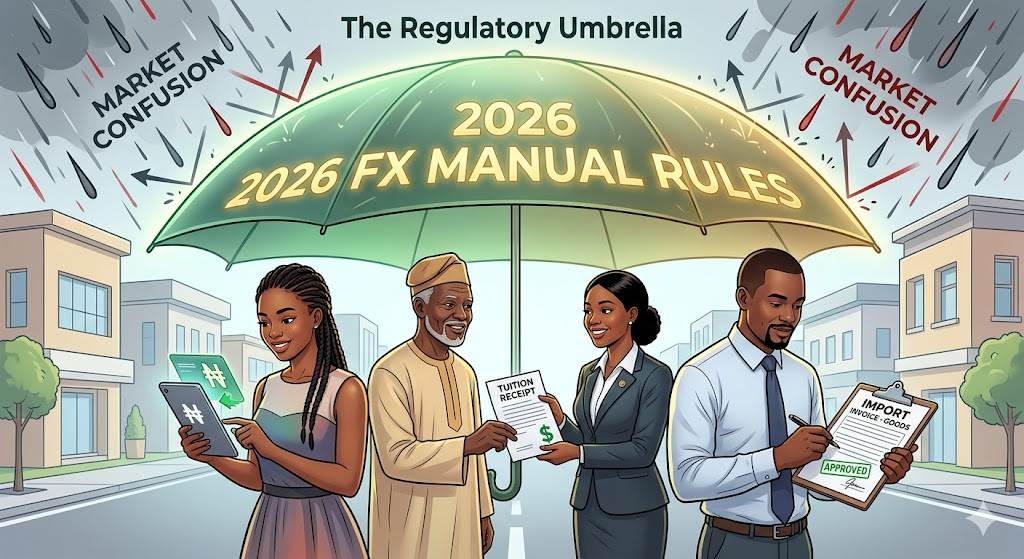
dealers: commercial banks, exporters, and international remittance operators, must strictly abide by all provisions of this manual. The manual explicitly lays out three core regulatory requirements: eligibility criteria for entities allowed to participate in foreign exchange transactions, requirements for the proof of identity and supporting documents needed for transactions, and procedural requirements for reporting daily transactions to the government. The core goals of the CBN in launching this new manual are to update Nigeria’s domestic financial rules, align the rules with international best practices, and guarantee the efficient and secure operation of Nigeria’s economy.
Why Did the Central Bank of Nigeria Update the Manual?
The Central Bank of Nigeria (CBN) has officially launched its new 2026 edition of the foreign exchange manual. The release of this updated manual comes as the 2018 edition, which had been in use for many years, can no
longer meet market needs following major shifts in both the global economic landscape and Nigeria’s domestic financial situation. Prior to this update, Nigeria’s foreign exchange market had long grappled with three core structural challenges: severe U.S. dollar liquidity shortages, the existence of multiple conflicting exchange rates, and insufficient overall market transparency. To specifically address these pain points, the CBN extensively solicited input from banks, real-sector enterprises, and economic experts
during the development of the new manual. The new manual sets two core objectives: first, to expand the supply of foreign exchange liquidity to support legitimate foreign exchange use across the market; second, to comprehensively strengthen market governance. A well-governed, high-transparency financial market can effectively curb illegal activities, attract foreign investment inflows, stabilize the local economy, and ultimately moderate prices of daily goods and services in Nigeria.
Key Focus Areas of the 2026 FX Manual
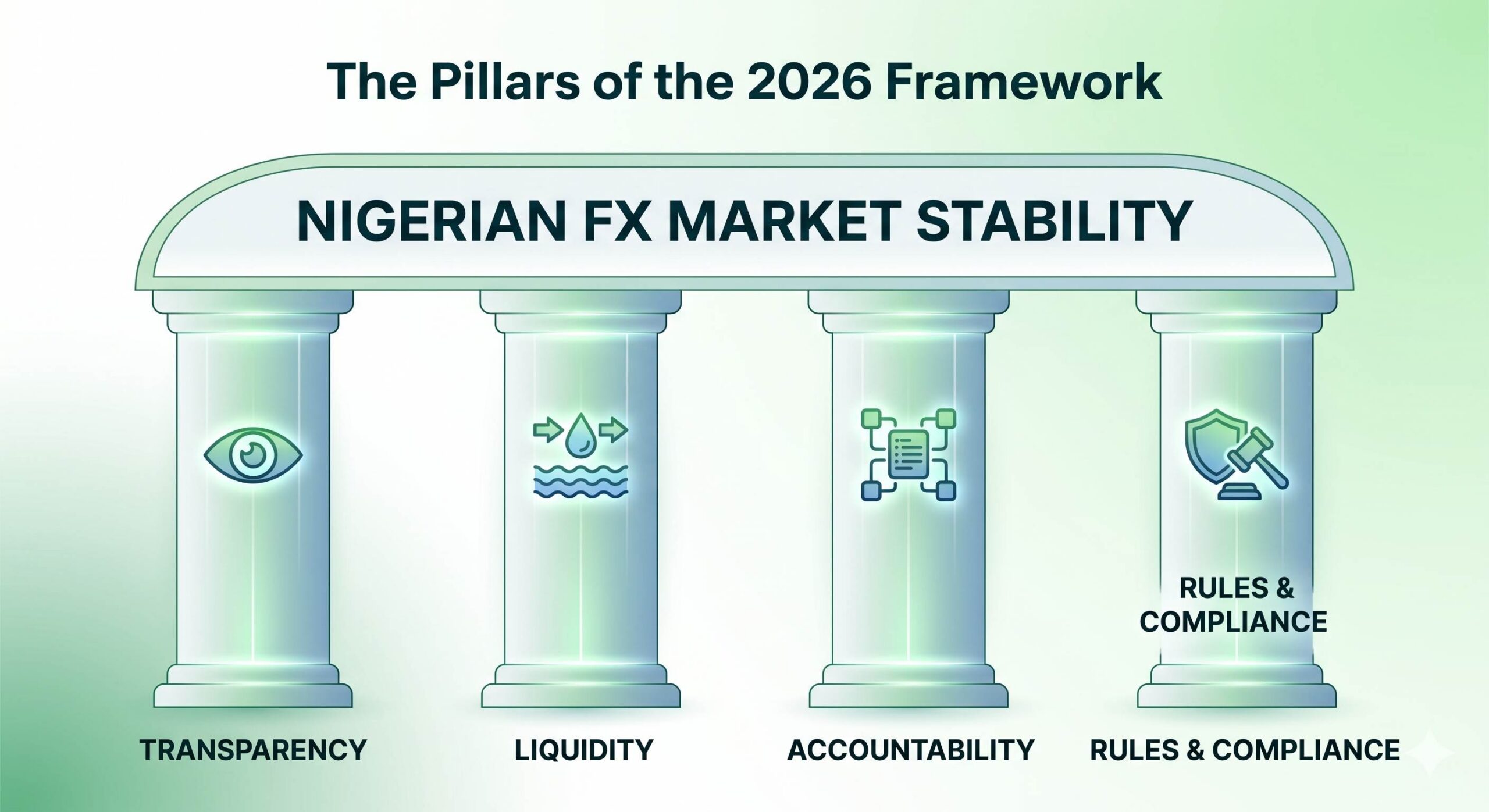
Released by the Central Bank of Nigeria (CBN), one must first grasp the core pillars that the central bank plans to strengthen; all rules laid out in the manual are designed to serve these pillars. We will subsequently release a beginner-friendly breakdown of the manual’s key changes.
1. Enhancing Market Transparency
Foreign exchange market transparency is that all relevant entities can clearly grasp the full foreign exchange allocation process. We have launched a new operating manual that requires banks and authorized dealers to submit mandatory compliance records on a daily basis, which raises the difficulty of carrying out three types of violations.
2. Deepening FX Liquidity
Foreign exchange liquidity plan outlined in this paper, we first establish a clear definition: foreign exchange liquidity is the property of a market that enables the smooth completion of foreign exchange purchases and sales without triggering substantial price fluctuations. We set a target daily trading volume of 1 billion US dollars, and supporting manuals will eliminate artificial distortions, attracting legitimate participants to channel their foreign exchange into the official market.
3. Strengthening Digital Accountability
Accountability in the financial sector, and building on modern finance’s reliance on security technologies, the Central Bank of Nigeria (CBN) requires, in its 2026 new edition foreign exchange manual, the integration of a real-time transaction monitoring system, in order to comply with anti-money laundering regulations and retain auditable digital footprints for all cross-border funds.
4. Clearer Rules for Authorized Dealers
Authorized dealers in Nigeria’s financial sector completely eliminates ambiguities in business operations, clearly lays out the permitted activities and prohibitions governing commercial banks, BDC operators, and remittance institutions, and protects the general public from exploitation by non-compliant practitioners.
XM Future Music Crash: What Nigerians Need to Know About the Risk – Earn Forex
How Does This Affect Forex Education and Beginners in Nigeria?
By the Central Bank of Nigeria (CBN) in 2026 have on Nigeria’s forex education and new traders? This manual is an essential source of knowledge for new Nigerian forex traders seeking to build a foundational understanding of forex. First, a core market insight must be clarified: the forex market

does not operate in isolation, and is strongly influenced by the central bank’s macroeconomic policies. The retail forex trading discussed in this analysis is completely separate from Nigeria’s official banking forex market and carries extremely high risk, but local regulation still shapes new traders’ core operations: the legal funding of educational brokerage accounts, and secure withdrawal processes via local banks. The manual’s strict guidelines only permit legal, fully documented funds to enter Nigeria’s banking system. Studying this manual helps new traders distinguish the rigorous realities
of macroeconomic policy from the unrealistic, harmful get-rich-quick hype that runs rampant on social media, and corrects a common misconception: the fundamental purpose of forex is to serve global trade, protect national reserves, and maintain economic stability, and it is by no means a tool for rapid wealth accumulation.
Understanding Forex Regulations and Risk in Nigeria
Bank of Nigeria (CBN)’s 2026 new foreign exchange manual is the core entry point for all financial market learners to understand the regulatory logic governing Nigeria’s foreign exchange market. The rollout of this set of rigid rules is precisely intended
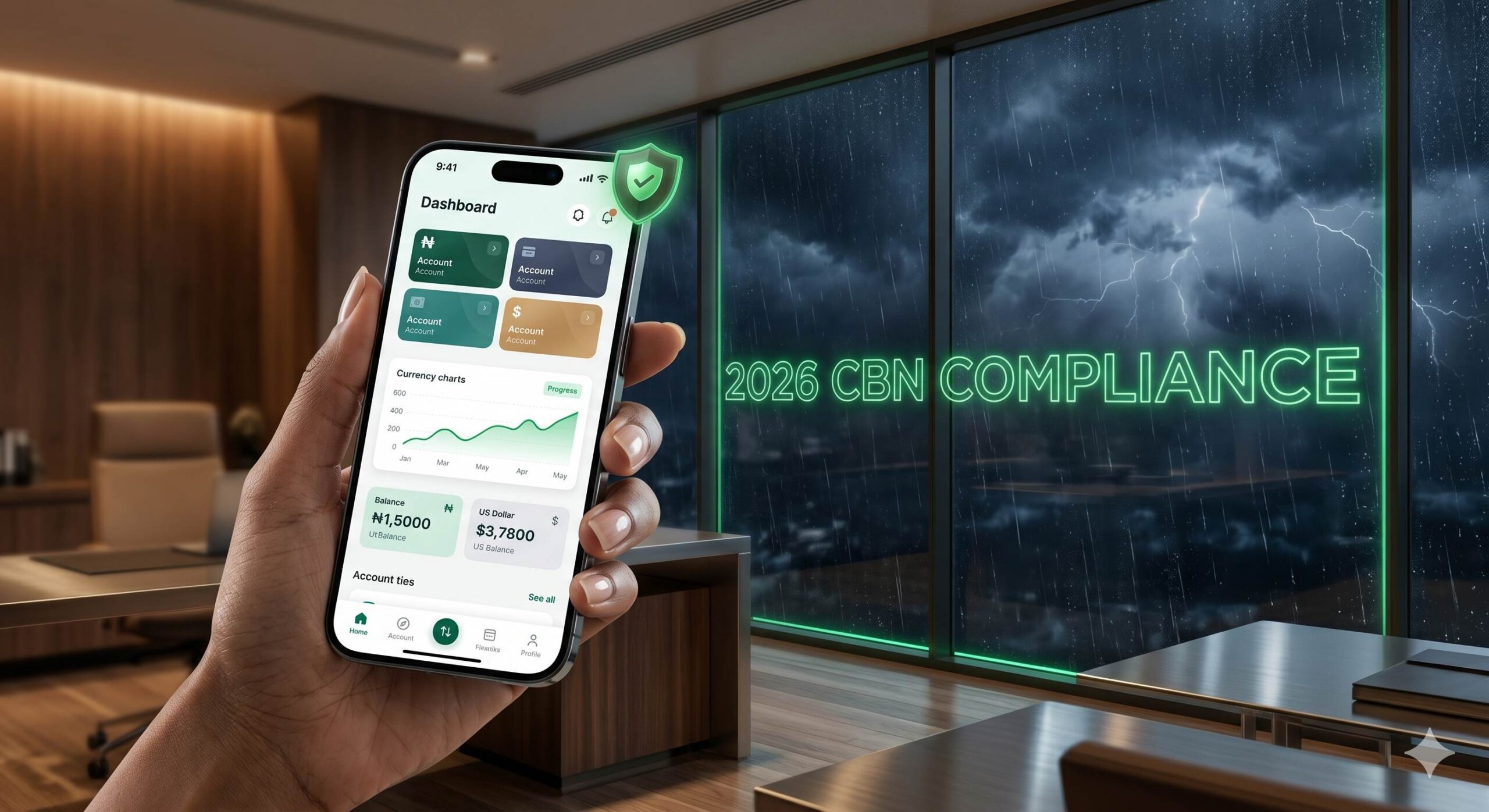
to hedge against market shocks stemming from the three core triggers of foreign exchange market volatility: abnormal shifts in inflation data, sudden geopolitical events, and domestic policy adjustments. Learners new to the market must clearly recognize that violating regulations to participate in the foreign exchange market will lead to two types of severe consequences: irreversible large financial losses, and
harsh legal penalties imposed by regulatory authorities; to participate compliantly, they must keep three requirements in mind: maintain deep patience, commit to continuous learning, and always strictly abide by the law, and must never adopt the mistaken mindset of speculative gambling based on sheer fluke.
Frequently Asked Questions (FAQs)
When does the CBN new forex manual 2026 officially take effect?
The updated manual officially takes effect on June 1, 2026. The Central Bank of Nigeria is distributing it to all authorized dealers to ensure strict compliance ahead of the rollout date.
Who exactly does the foreign exchange manual apply to?
It applies to all authorized foreign exchange dealers operating within Nigeria. This includes all commercial banks, international money transfer operators (IMTOs), licensed Bureau De Change (BDCs), and businesses involved in the legal import and export of goods.
Will the new manual make it easier to get foreign exchange?
The core goal of the manual is to drastically improve market liquidity and operational transparency. Over time, this should theoretically make the official FX market more efficient and accessible for individuals and businesses that have legitimate, properly documented needs for foreign currency.
Is forex trading recommended for absolute beginners?
Trading global currencies is a highly complex endeavor that involves a severe level of risk. The vast majority of beginners lose their capital. It is absolutely crucial to focus on basic financial education, regulatory understanding, and strict risk awareness before ever considering participation in any global financial markets.
Disclaimer: This article is provided strictly for educational and informational purposes only. It does not constitute financial advice, investment recommendations, or an endorsement of any trading activity. Trading foreign exchange involves a high degree of risk, and it is highly possible to lose your capital. The Central Bank of Nigeria’s policies are subject to change, and readers should always consult official government channels or licensed financial advisors for personalized guidance.