
Introduction
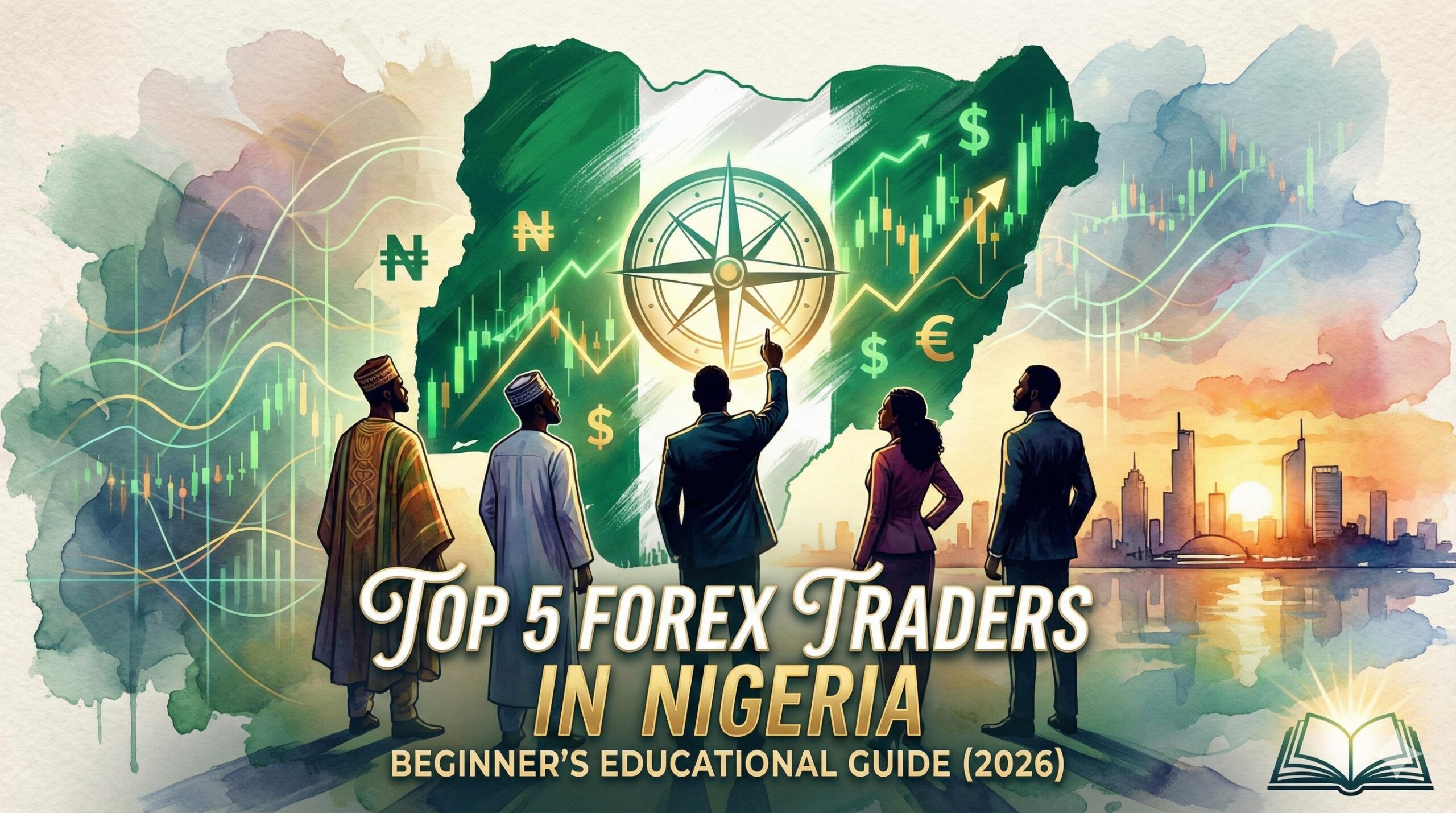
In the bustling economic landscape of Nigeria, from the tech hubs of Yaba to the business districts of Abuja, Foreign Exchange (Forex) trading has evolved from a niche financial activity into a mainstream topic of conversation. The allure of the global markets is undeniable, especially with the digital revolution making access easier than ever before. As we move through 2026, the search volume for the Top 5 forex traders in Nigeria continues to skyrocket, reflecting a deep hunger for mentorship, guidance, and financial independence among Nigerian youth.
However, the path to becoming a profitable trader is often misunderstood. Many beginners look at successful figures and see only the results—the cars, the lifestyle, and the freedom—without seeing the years of grueling study, psychological discipline, and risk management that made those results possible. Aspiring to trade is not just about copying a signal; it is about developing a professional skillset that can withstand the volatility of the global economy.
This comprehensive guide is written strictly for educational purposes. We will move beyond the hype to analyze the styles of Nigeria’s most notable traders, giving you a blueprint for what successful trading actually looks like. We will also dive deep into the new regulatory frameworks introduced by the Central Bank of Nigeria (CBN) in 2025, specifically the “Nigeria Foreign Exchange Code,” and provide you with actionable steps to navigate this high-risk industry safely.
Disclaimer: Forex trading involves a significant risk of loss and is not suitable for all investors. You should not invest money that you cannot afford to lose. This article does not constitute financial advice. Mentions of specific trading styles or individuals are for educational analysis only.
Table of Contents
What Is Forex Trading?
At its most fundamental level, Forex (Foreign Exchange) is the decentralized global marketplace where the world’s currencies are exchanged. It is the largest and most liquid financial market in the world, with a daily trading volume exceeding $7.5 trillion.
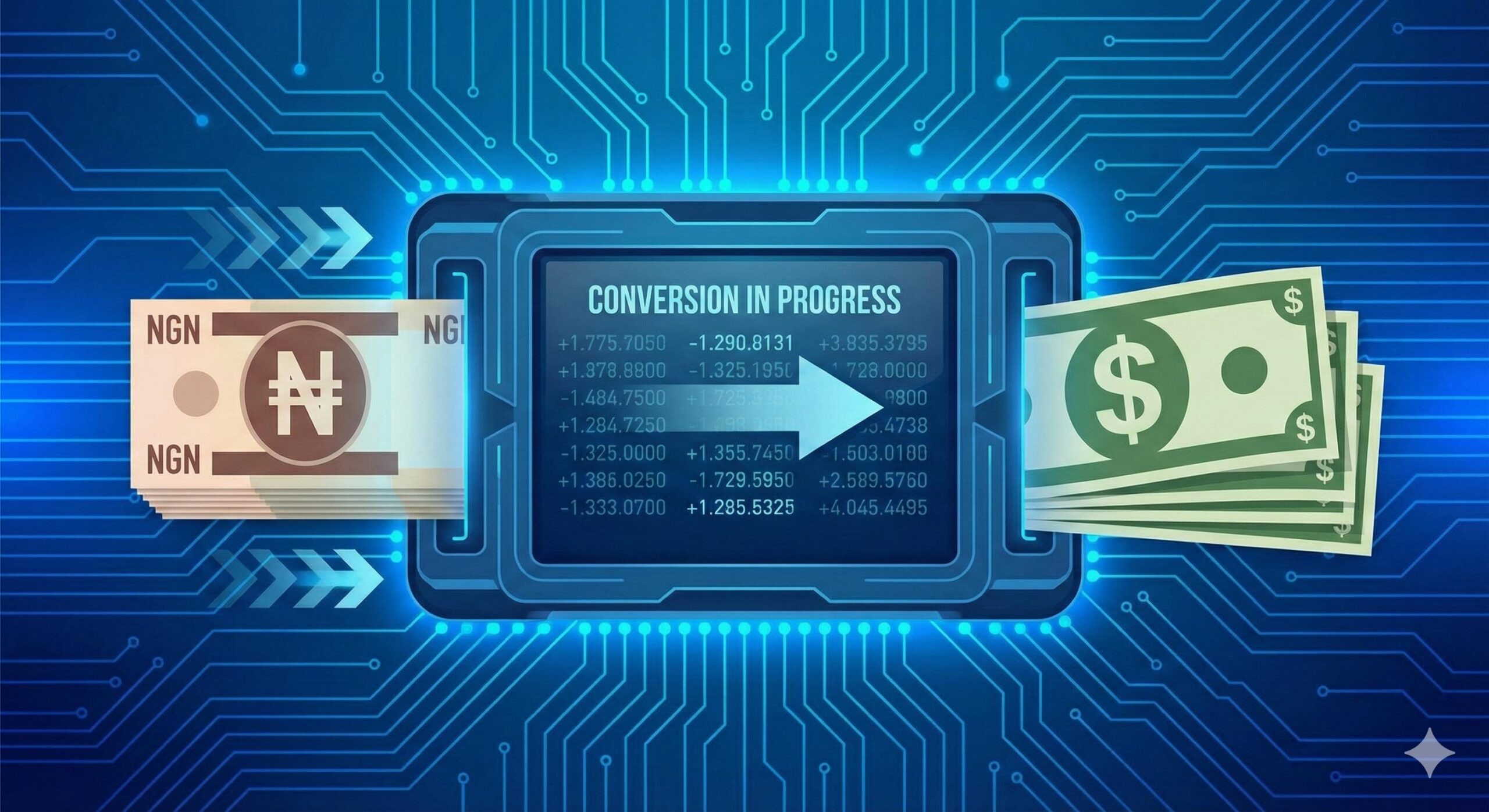
To understand this concept simply, think about international travel. If you travel from Lagos to London, you cannot spend Naira (NGN) at a Heathrow airport shop. You must visit a Bureau De Change (BDC) to convert your Naira into British Pounds (GBP). The rate at which you swap these currencies is the “Exchange Rate.” If you keep those Pounds and the value of the Pound rises against the Naira by the time you return to Nigeria, you will get back more Naira than you originally spent. That small profit is the essence of forex trading.
The Online Speculative Market However, what we are discussing in this guide is Online Retail Forex Trading. In this digital environment, traders do not physically hold cash or visit a BDC. Instead, they use specialized software provided by brokers to speculate on the price movements of currency pairs.
- Buying (Going Long): You execute a “Buy” order if your analysis suggests the Base currency will strengthen against the Quote currency.
- Selling (Going Short): You execute a “Sell” order if your analysis suggests the Base currency will weaken.
This ability to profit from both rising and falling markets is one of the key features that differentiates forex from traditional stock investing, where you typically only profit when value increases.
How Forex Trading Works
Understanding the “engine room” of the market is non-negotiable. Before you ever look for a mentor or a strategy, you must grasp the mechanics that drive price action.
The Structure of Currency Pairs
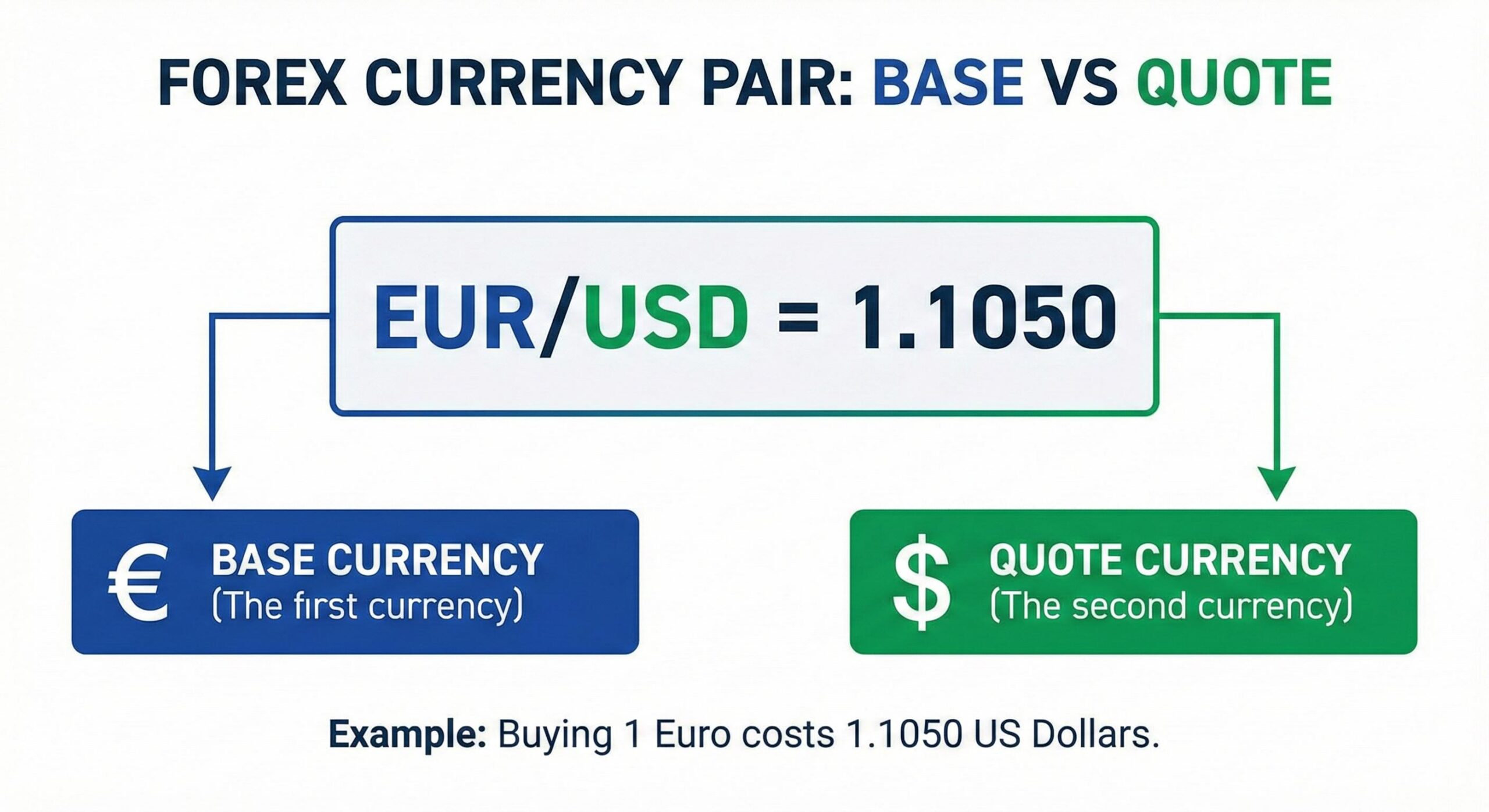
Currencies are never traded in isolation; they are always traded in pairs. A forex quote tells you how much of the second currency is required to buy one unit of the first currency.
- The Base Currency: The first currency in the pair (e.g., GBP in GBP/USD).
- The Quote Currency: The second currency in the pair (e.g., USD in GBP/USD). If GBP/USD is trading at 1.3000, it means £1 is worth $1.30.
Market Sessions and Liquidity
Unlike the Nigerian Stock Exchange which has set closing times, the forex market runs 24 hours a day, 5 days a week. This continuous cycle is possible because as one major banking center closes, another opens.
- Sydney & Tokyo Sessions: These kick off the week (Sunday night/Monday morning in Nigeria). Volatility is often lower here, focusing on JPY and AUD pairs.
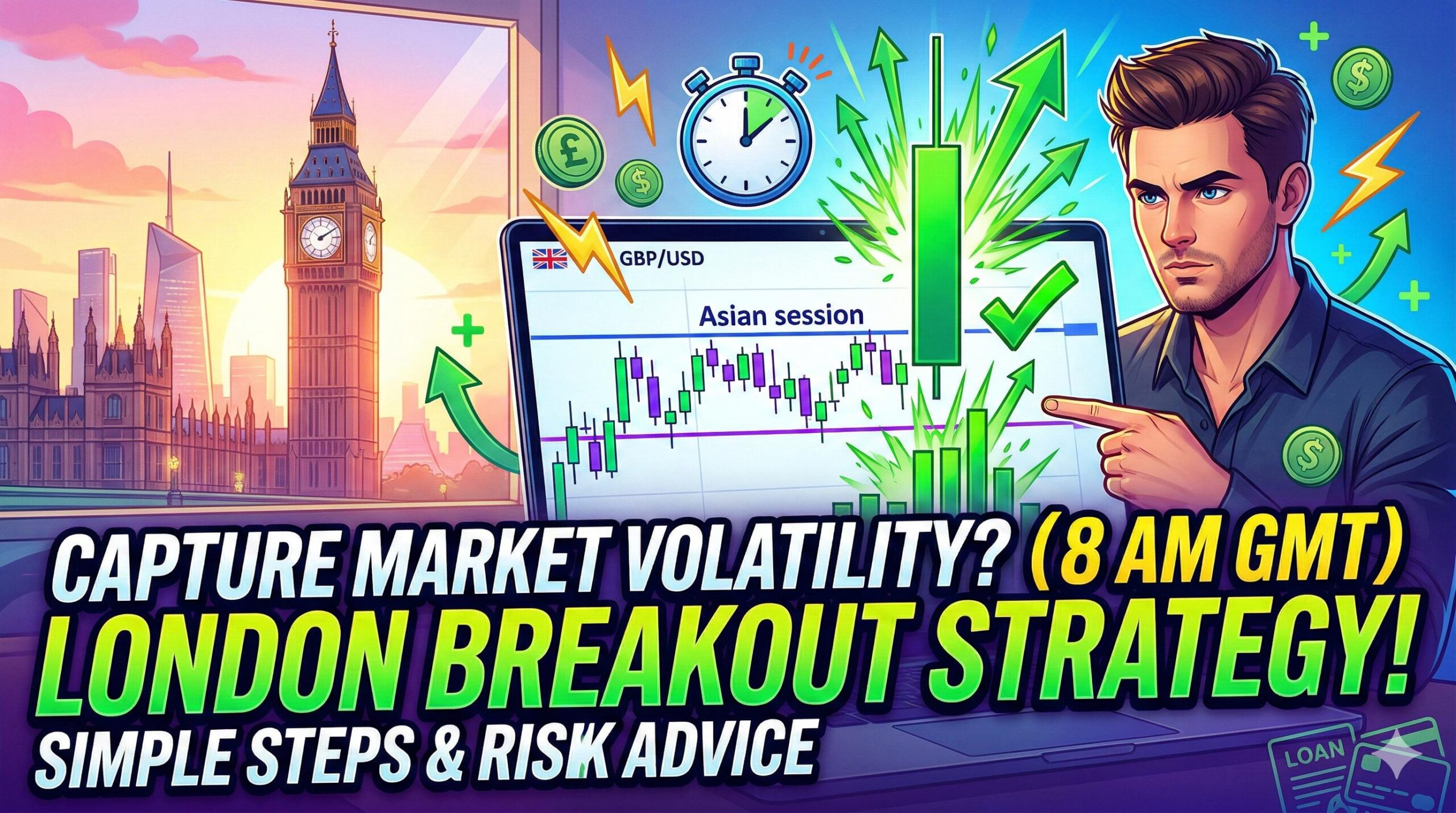
- London Session: Opening around 8:00 AM or 9:00 AM Nigerian time, this is the financial capital of the forex world. Huge volume enters the market here.
- New York Session: Opening in the afternoon (Nigeria time). The overlap between London and New York (approx. 1:00 PM to 5:00 PM WAT) is the “Golden Time” for liquidity, offering the most opportunities for day traders.
The Participants
Who are you trading against? It is important to be humble because the “Smart Money” participants have deeper pockets than any retail trader.
- The Interbank Market: Top-tier banks (JP Morgan, Deutsche Bank, etc.) trading billions to facilitate global commerce.
- Central Banks: The CBN, Federal Reserve, and ECB, who intervene to manage inflation and interest rates.
- Retail Traders: Individuals like you, who make up a small but growing percentage of the volume.
Is Forex Trading Legal in Nigeria?
Navigating the legal landscape is critical for your safety and peace of mind. As of 2026, the answer remains: Yes, online forex trading is legal for Nigerian citizens.
There is no section of the Nigerian Constitution or the Banks and Other Financial Institutions Act (BOFIA) that criminalizes an individual using their personal funds to trade global currencies via an online broker.
The 2025 CBN Foreign Exchange Code
A major development occurred in January 2025 when the Central Bank of Nigeria (CBN) launched the new “Nigeria Foreign Exchange Code.” While this code primarily targets Authorized Dealers (banks) and licensed market participants to ensure ethical behavior and transparency, it signals a maturing market.
- What this means for you: The government acknowledges the FX market’s importance. However, they are stricter on how FX is sourced. You cannot use official government-sourced FX for speculative trading. You must source your trading capital from your own personal funds.
Regulatory Safety for Retail Traders
While trading is legal, the regulation of online brokers within Nigeria is still developing. There is no “CBN License” specifically for retail online forex brokers yet.
- The Safety Protocol: Because of this local regulatory gap, Nigerian traders must use brokers regulated by international Tier-1 bodies. When choosing a platform, ensure they hold licenses from:
Notable Nigerian Trading Styles (Top 5 Examples)
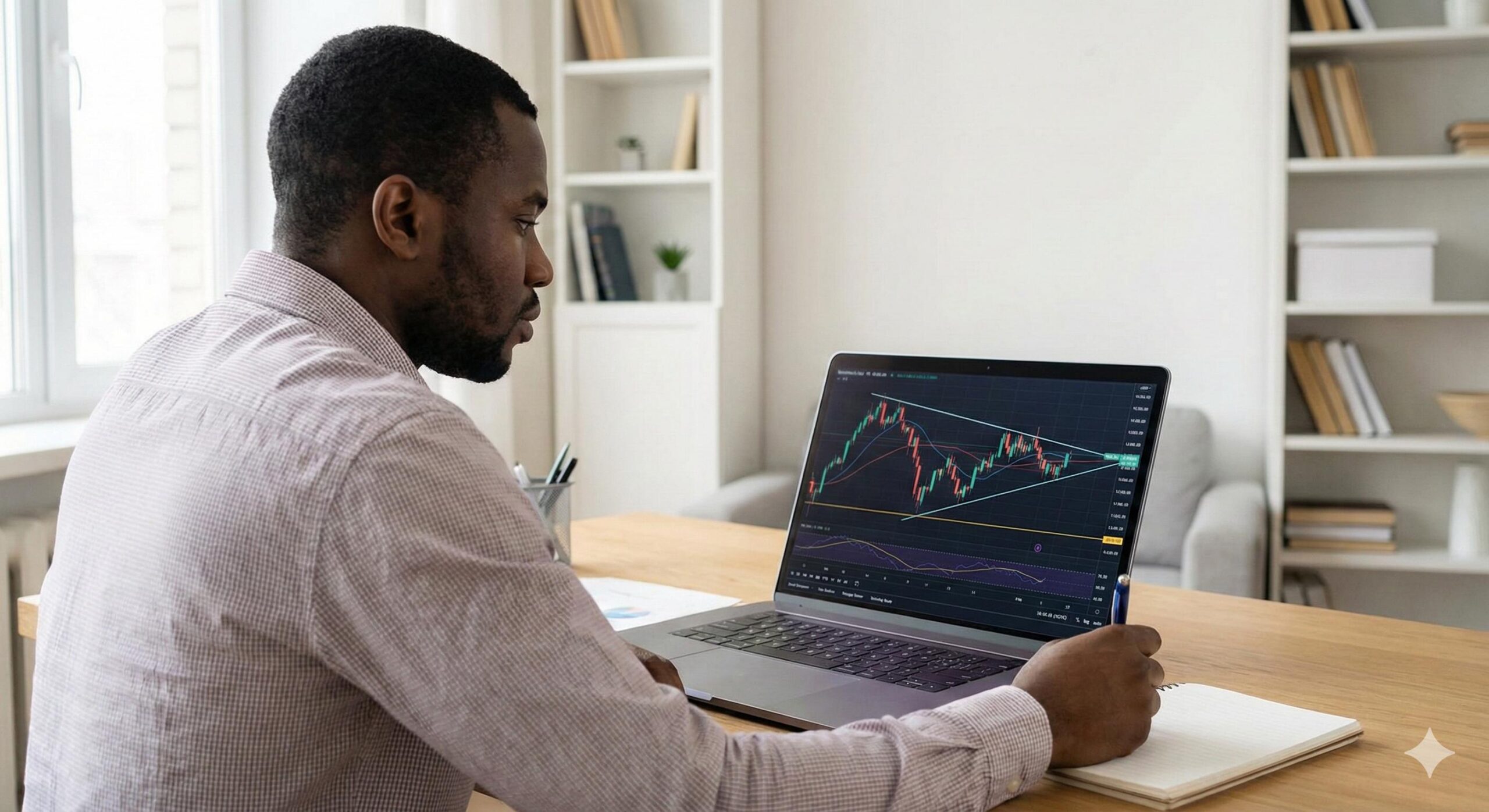
When beginners search for the “Top 5 forex traders,” they are usually looking for a roadmap to success. Rather than just listing names which can change or be based on marketing hype, it is far more educational to analyze the Five Distinct Trading Styles popularized by Nigeria’s most successful market veterans. Identifying which style fits your personality is the first step to your own success.
1. The Institutional Analyst (The “Dapo” Style)
This style is exemplified by educators who focus heavily on Market Structure and Institutional Order Flow.
- Philosophy: They believe that retail indicators (like RSI or Bollinger Bands) often lag. Instead, they look for “footprints” of the big banks—identifying Order Blocks, Liquidity Voids, and Imbalances.
- Lesson: Success here comes from thinking like a bank, not like a gambler. You wait patiently for price to reach “Premium” or “Discount” zones before executing.
2. The Risk-First Hedger (The “Uche” Style)
Some top Nigerian traders are famous not for how much they make, but how little they lose. This style focuses on Capital Preservation.
- Philosophy: They often use hedging strategies (opening opposite positions to offset risk) or trade safe-haven assets like Gold (XAU/USD) to protect against currency devaluation. They emphasize that “Rule No. 1 is: Do not lose money.”
- Lesson: Longevity is more important than a lucky strike. If you protect your downside, the upside takes care of itself.
3. The Prop Firm Scalper (The “Jeffrey” Style)
With the rise of Proprietary Trading Firms (Prop Firms) in Nigeria, this style has become massive. These traders focus on Risk-to-Reward Ratios to pass strict evaluation challenges.
- Philosophy: They might take 2-3 trades a day, targeting small moves (scalping) or intraday swings. They are masters of calculating lot sizes to ensure they never violate the “5% daily drawdown” rule common in prop firms.
- Lesson: Discipline is measurable. If you cannot stick to a specific loss limit, you cannot manage large capital.
4. The Price Action Purist (The “Habby” Style)
This style rejects distinct complexity in favor of Simplicity.
- Philosophy: A clean chart is a profitable chart. These traders look for naked candle patterns—Pin Bars, Engulfing Candles, and simple Support/Resistance lines. They often preach “Lifestyle Freedom,” showing that you don’t need to be glued to screens 24/7 if you can read a daily candle correctly.
- Lesson: You don’t need a PhD in mathematics to trade. Simple patterns, executed consistently, generate profit.
5. The Macro-Fundamentalist
While less flashy on Instagram, these traders are often the “whales” in the background. They trade based on Economic Data.
- Philosophy: They analyze the CBN’s interest rate decisions, US Inflation data (CPI), and geopolitical tensions. If the US Federal Reserve raises rates, they buy the Dollar.
- Lesson: Charts tell you when to enter, but Fundamentals tell you why to enter.
Forex Trading Tax in Nigeria 2026: A Beginner’s Educational Guide
Common Forex Trading Risks (IMPORTANT)
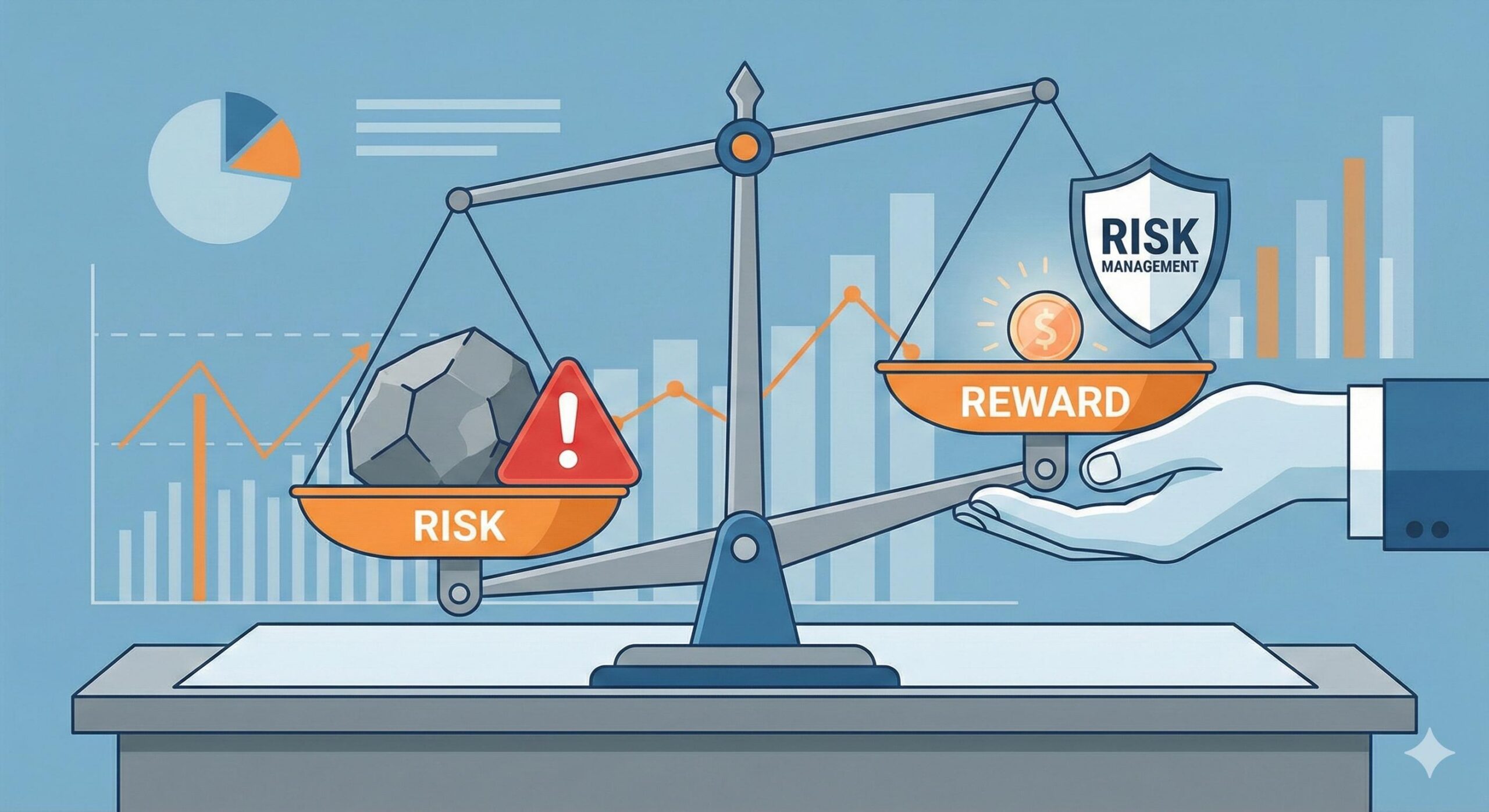
Social media often paints a picture of easy wealth, but the reality is that 90% of retail traders lose money in their first year. You must respect the risks to survive.
The Danger of Leverage
Leverage is a double-edged sword. It is a loan from your broker that allows you to control a large position with a small deposit.
- The Trap: A 1:500 leverage means N1,000 controls N500,000. If the market moves just 0.2% against you, your N1,000 is gone instantly. This is called a “Margin Call.” Beginners should never use leverage higher than 1:50 or 1:100.
Slippage and Volatility
During major news events (like NFP release), the market can jump price levels. You might set a “Stop Loss” at 1.5000, but because the price moved so fast, your broker executes it at 1.4980. This difference is called “Slippage,” and it costs you money you didn’t plan to lose.
Psychological Burnout
Trading is stressful. The emotional rollercoaster of winning N50,000 in the morning and losing N70,000 in the evening can lead to “Revenge Trading.” This is when a trader angrily increases their lot size to “win back” losses, usually leading to a total account blowout.
Beginner Mistakes Nigerians Should Avoid
In our observation of the Nigerian forex community, these specific errors destroy more careers than any market crash.
The “MMM” Mentality
Many Nigerians approach forex with the same mindset used for Ponzi schemes or “investment platforms” (like the infamous MMM). They look for “30% monthly guaranteed.”
- Reality Check: Forex is a business, not a high-yield investment program. Returns are inconsistent. Some months you profit, some months you break even. Expecting a fixed salary from the market is a fatal error.
Over-Trading the News
Beginners love to trade right when news breaks, hoping to catch a massive spike.
- The Risk: Spreads (broker fees) often widen massively during news. You might enter a trade and be immediately in a huge loss just because of the spread. Professional traders often wait 15 minutes after the news for the market to settle.
Funding With Debt
Never, ever borrow money to trade. The psychological pressure of needing to pay back a loan will destroy your decision-making abilities. You will trade out of fear, and fearful traders always lose.
Learning Forex Trading the Right Way
To transition from a gambling novice to a disciplined trader, follow this structured educational path.
Phase 1: The Theoretical Foundation
Before opening a chart, spend 2-4 weeks reading. Understand the terminology: Pips, Lots, Equity, Margin, Leverage, Spread, and Swap. Resources like earnfx.ng provide these glossaries for free.
Phase 2: The Demo Account Sandbox
Every legitimate broker offers a Demo Account with fake money.
- The Challenge: Treat the demo account as if it is real. Start with a realistic amount (e.g., $100 or $500), not the default $100,000.
- The Goal: Do not move to a live account until you can end three consecutive months in profit on your demo account.
Phase 3: Risk Management Mastery
Learn the math of survival.
- Position Sizing: Use a calculator to determine your lot size before every trade.
- The 1% Rule: Never risk more than 1-2% of your account balance on a single trade idea. This ensures that even a streak of 10 losses only reduces your capital by ~10-20%, leaving you in the game.
How to Stay Safe From Forex Scams in Nigeria
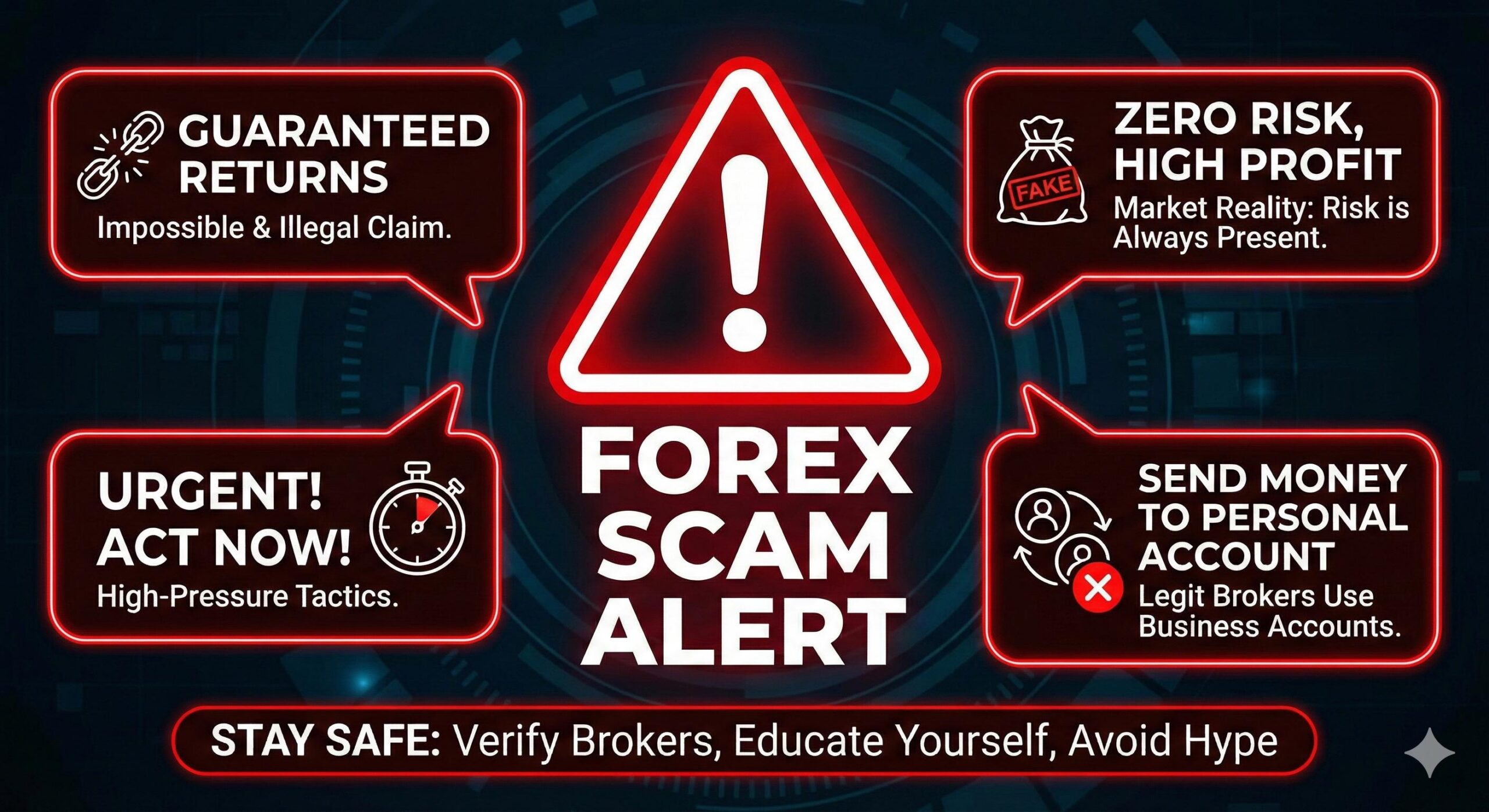
The popularity of forex has attracted bad actors. Protect your hard-earned Naira by spotting these red flags.
The “Account Management” Scam
This is the most prevalent scam on Telegram and Instagram. A stranger will message you: “Invest N50k, I will trade for you, and return N100k in 24 hours.”
- The Truth: Legitimate traders never ask for your money to trade for you in their personal accounts. They focus on their own capital. Block anyone asking you to transfer money to a personal Opay or Palmpay account.
Fake Broker Websites (Phishing)
Scammers clone the websites of popular brokers like Exness or HFM. The site looks identical, but the URL is slightly different (e.g., exness-login-ng.com instead of exness.com). Always type the URL manually.
Signal Group “Admins”
Be wary of WhatsApp groups where the “Admin” posts screenshots of massive profits but locks the group chat so no one else can speak. These screenshots are often Photoshopped or taken from Demo accounts to lure you into paying for “VIP Signals.”
Frequently Asked Questions (FAQ)
Is forex trading safe in Nigeria? Forex trading is a legitimate profession, but it is “safe” only if you use a regulated broker and apply strict risk management. Your capital is at risk of market loss, and regulatory protection within Nigeria is limited, so the choice of broker is vital.
Who is the best forex trader in Nigeria? There is no single “best” trader. Success is subjective. Some traders manage millions of dollars quietly, while others are famous educators. Look for a mentor whose trading style (as discussed above) resonates with your personality, rather than just looking at their car.
How much money do I need to start? You can start learning with Zero Naira using a demo account. When you are ready to go live, many brokers allow deposits as low as $10 (approx. N15,000 – N17,000 depending on rates). However, starting with too little capital often leads to gambling behaviors.
Can I trade forex on my phone? Yes, modern platforms like MetaTrader 4 (MT4), MT5, and TradingView have excellent mobile apps. However, for serious analysis, a laptop screen allows you to see the “bigger picture” of the market structure much better than a small phone screen.
Are forex profits taxable in Nigeria? Currently, personal income from trading is generally subject to Personal Income Tax regulations, though enforcement on digital trading income varies. It is best to consult with a tax professional regarding your specific earnings.
Conclusion
Forex trading offers a remarkable window into the global economy, allowing Nigerians to participate in the financial flows of the world’s most powerful nations. The search for the Top 5 forex traders in Nigeria often begins with a desire for quick riches, but for the wise, it evolves into a journey of self-discipline, continuous education, and strategic planning.
The traders who succeed in this environment are not the ones who take the biggest risks; they are the ones who respect the market the most. They understand that trading is not a sprint; it is a marathon. They prioritize learning over earning, and they protect their capital at all costs.
If you are willing to put in the work, study the styles of the greats, and treat this as a serious business, the forex market is open to you. Start small, stay humble, and never stop learning.