
Introduction
In the bustling financial hubs of Lagos, Abuja, and Port Harcourt, the conversation around “forex” has become increasingly common. Many Nigerians view the foreign exchange market as a potential avenue for understanding global economics and protecting their wealth against currency devaluation. However, amidst this growing interest, there is often deep confusion regarding the regulatory environment. A critical topic that every beginner must understand is the SEC Nigeria guidelines on forex.
The Securities and Exchange Commission (SEC) of Nigeria serves as the apex regulator of the Nigerian capital market. Their primary mandate is to protect investors and ensure market integrity. For a beginner, distinguishing between legitimate trading activities (which are risky but valid) and prohibited investment schemes (which are crimes) is the first step toward financial safety.
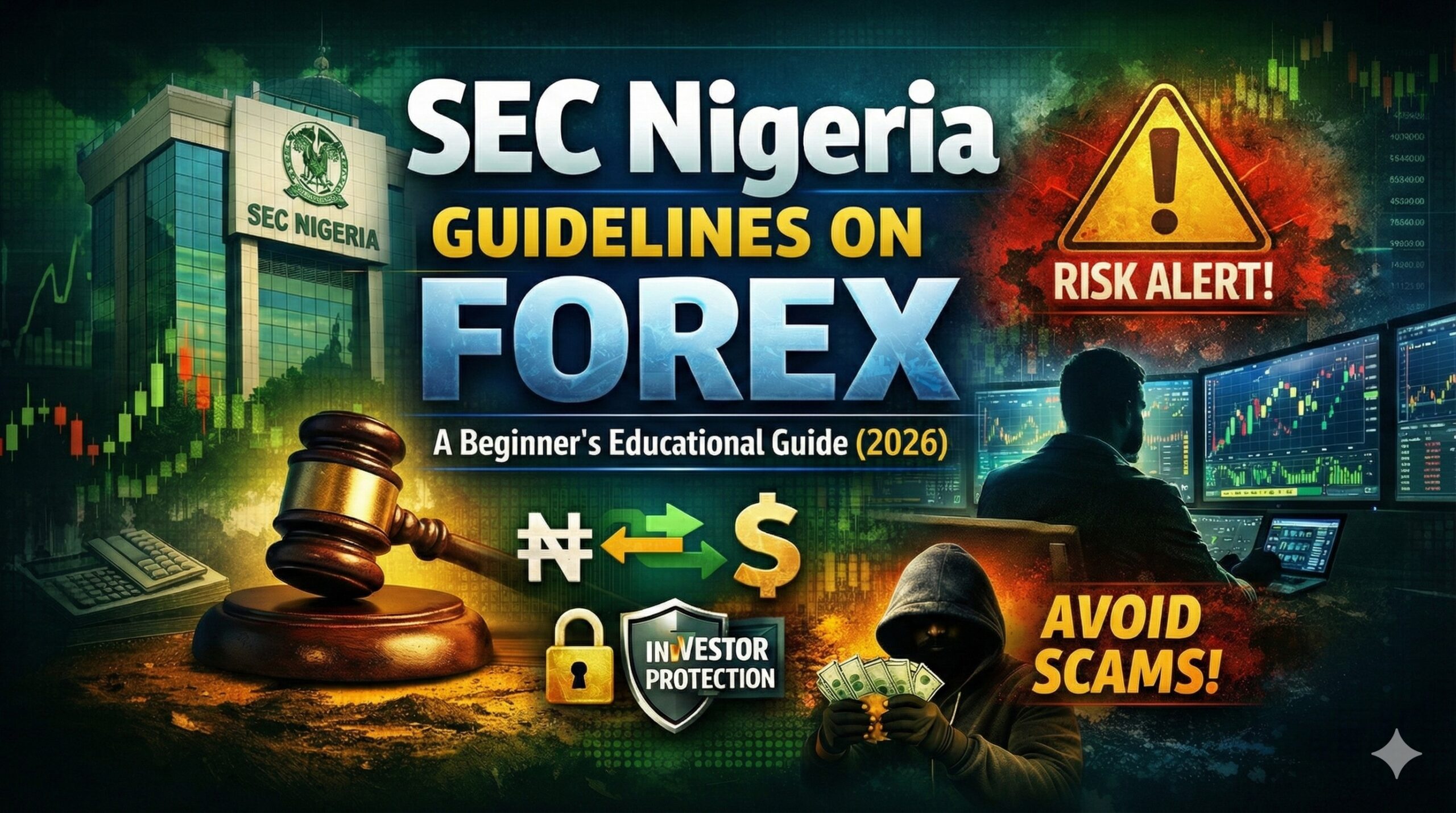
This educational guide is designed to break down the complex landscape of forex regulation in Nigeria into simple terms. We will explain what forex trading actually is, how it functions, and clarify the vital stance of Nigerian regulators regarding retail trading versus illegal investment schemes. By understanding these guidelines, you can navigate the market with greater awareness and protect yourself from the prevalence of unregistered operators.
Table of Contents
What Is Forex Trading?
Before discussing regulations, we must clearly define the subject matter. Forex (Foreign Exchange) trading is the decentralized global marketplace where all the world’s currencies trade.
In simple terms, it is the act of exchanging one currency for another.
- Real World Example: If a Nigerian business owner needs to import spare parts from Japan, they must exchange Naira (NGN) for Japanese Yen (JPY) through a bank. This is a commercial forex transaction.
- Retail Trading: This involves individuals speculating on the price movements of these currencies using online platforms. For instance, analyzing whether the Euro (EUR) will rise in value against the US Dollar (USD) and placing a trade based on that prediction.
It is critically important to note that forex trading is not an “investment scheme” where you deposit money and passively wait for monthly returns. It is an active, skill-based involvement in the financial markets that requires analysis, time, and rigorous risk management.
How Forex Trading Works
For a Nigerian beginner, understanding the mechanics is vital to distinguishing between legitimate trading structure and fraudulent schemes.
1. Currency Pairs
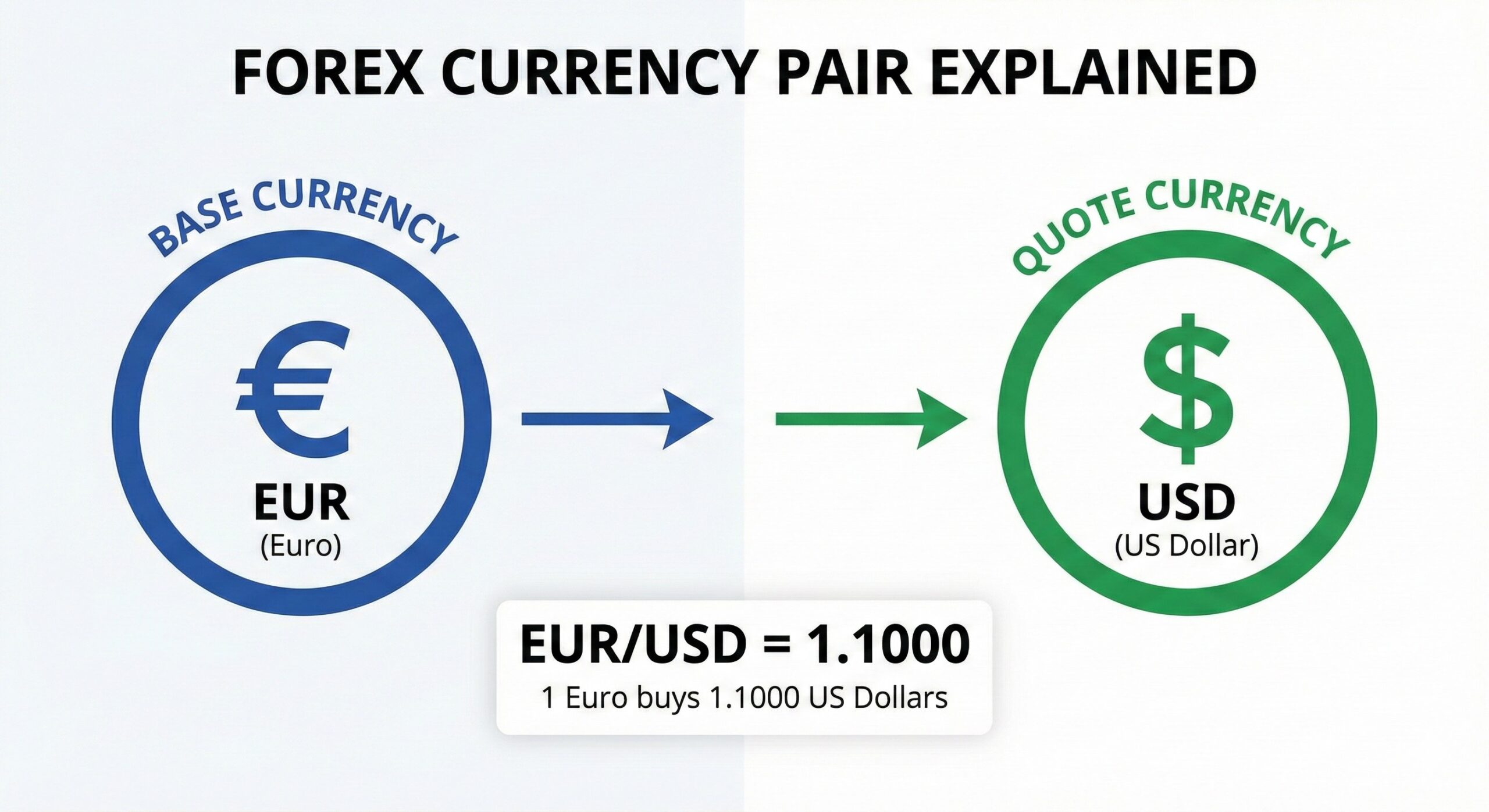
Currencies are always traded in pairs. The first currency is the “Base” and the second is the “Quote.”
- EUR/USD: You are buying Euros by selling US Dollars.
- GBP/USD: You are buying British Pounds by selling US Dollars.
2. The Role of Brokers
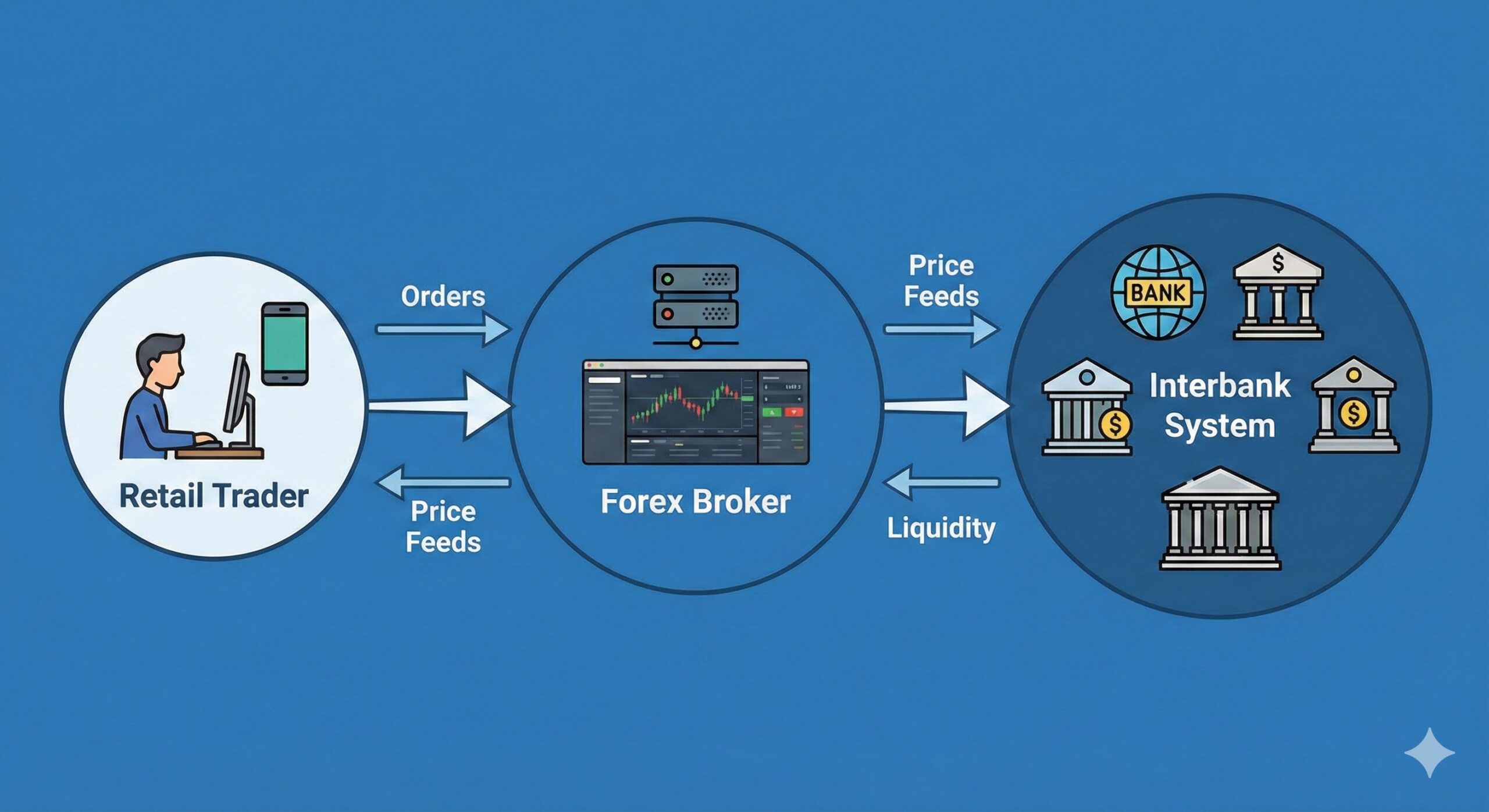
Retail traders cannot go directly to the interbank market (where big banks trade billions). They need a Broker. * A broker provides the software (platform) that connects you to the market prices.
- Educational Note: Legitimate brokers merely execute your trades. They do not trade for you, they do not manage your money, and they do not promise guaranteed profits. If an entity offers to do these things, they are acting as a “Fund Manager,” which requires a different license.
3. Market Hours
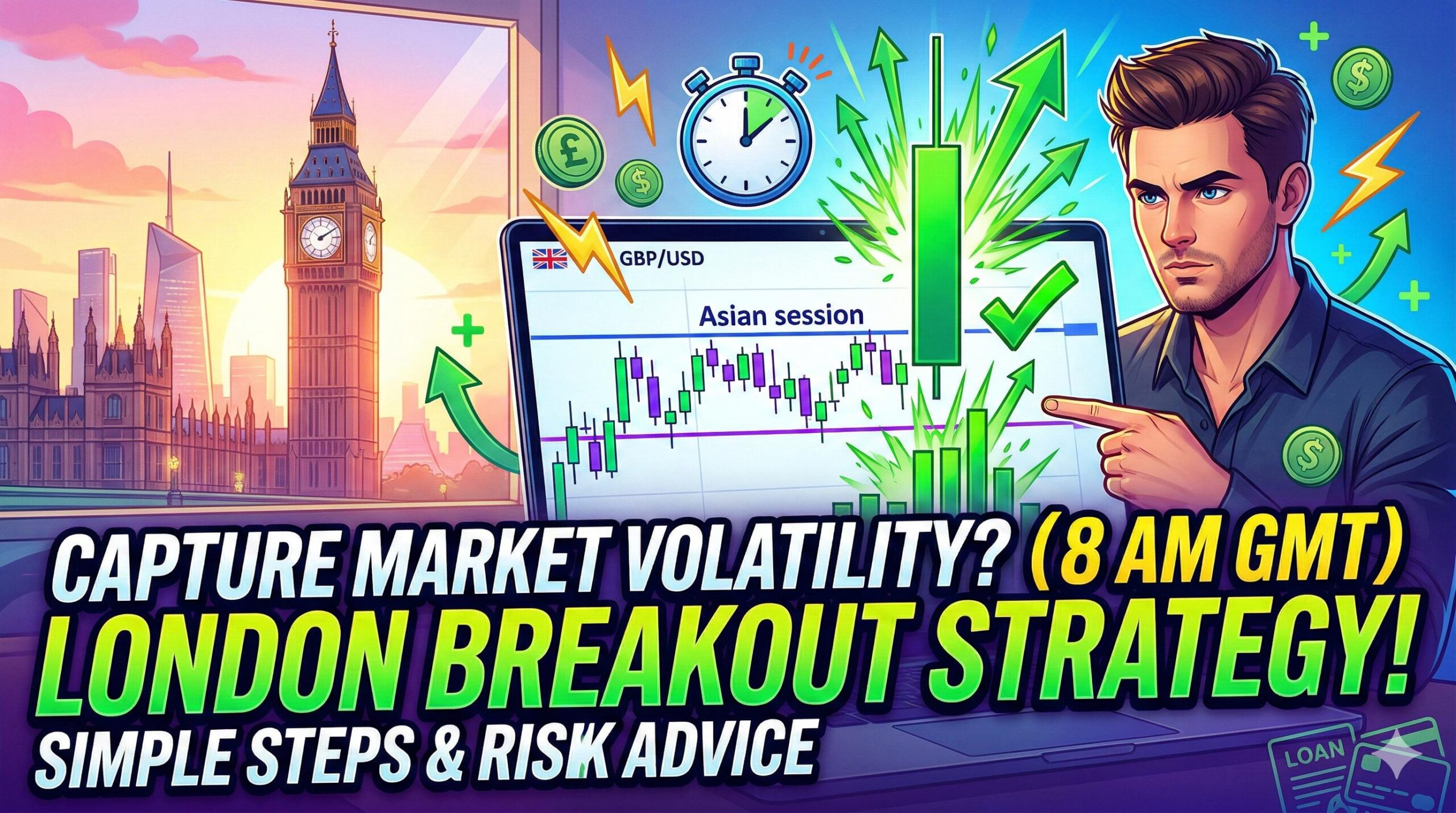
The forex market operates 24 hours a day, five days a week. It moves with the sun—opening in New Zealand and Australia, moving to Tokyo (Asian session), then London (European session), and finally New York (US session).
Read More: Understanding the Dollar to Naira Exchange Rate: A Comprehensive Guide for 2026
SEC Nigeria Guidelines on Forex (The Regulatory Landscape)
This is the most critical section of this guide. Understanding the SEC Nigeria guidelines on forex helps clarify the difference between self-directed trading and illegal pooling of funds.
1. The Distinction: Trading vs. Investing
The SEC Nigeria has consistently issued circulars warning against companies that claim to be “Forex Investment Funds.” The distinction is clear:
- The Guideline: Any company in Nigeria that solicits funds from the public to invest in forex on their behalf (pooling funds) must be registered with the SEC as a Fund/Portfolio Manager.
- The Reality: The vast majority of platforms in Nigeria promising “20% monthly returns” or “passive income” from forex are unregistered. Operating an unregistered investment scheme is illegal. The SEC frequently issues “Cease and Desist” orders against these Ponzi schemes to protect the public.
2. Retail Trading Guidelines
Currently, the regulatory framework for individual retail traders (you sitting at home trading your own money on your laptop) is in a developmental stage.
- No Local License Yet: There is currently no specific license issued by the SEC for “Online Retail Forex Broking” for international firms to set up physical branches in Nigeria easily.
- The Consequence: This creates a scenario where Nigerian traders primarily use offshore brokers. These are brokers regulated in other reputable jurisdictions like the UK (FCA), Australia (ASIC), or South Africa (FSCA).
- SEC Stance: The SEC warns that dealing with unregulated entities involves high risk because if an offshore broker collapses, the Nigerian government has no legal power to recover your funds.
3. Investor Protection Mandate
The primary guideline from the SEC is Investor Protection. They advise Nigerians to:
- Verify Registration: Always check the SEC website to see if a company collecting money is a registered capital market operator.
- Avoid Guarantees: Be wary of entities that promise guaranteed returns. In financial markets, guarantees are a hallmark of fraud.
- Report Illegality: Report illegal operators and suspicious schemes to the Commission.
Is Forex Trading Legal in Nigeria?
Yes, forex trading is legal in Nigeria. There is no law in the Nigerian constitution, the Investments and Securities Act (ISA), or the Criminal Code that criminalizes the act of an individual exchanging currencies or speculating on currency prices for their personal portfolio.
The Important Nuance:
While the act of trading is legal, the environment is strictly monitored and restricted:
- Banking Regulations (CBN): The Central Bank of Nigeria (CBN) has strict policies regarding the use of Nigerian banks for forex transactions. Currently, traders often cannot use Naira debit cards to fund foreign broker accounts directly due to currency controls and limits on international spending. Traders often have to use alternative methods like domiciliary accounts.
- Personal Responsibility: Because most retail brokers used by Nigerians are offshore, Nigerian traders do not have local regulatory protection. If an offshore broker defrauds you, the SEC Nigeria cannot intervene to help you recover funds. This makes broker selection based on strict international regulation (like FCA or ASIC) extremely important for your safety.
Common Forex Trading Risks (IMPORTANT)
The SEC and financial educators warn against forex investments primarily because of the high risks involved. It is not a path to easy money.
1. Market Volatility
Currency prices change in fractions of a second. Economic news—such as US inflation data, changes in interest rates, or geopolitical conflicts—can cause massive price spikes. Beginners often lose capital because they do not understand how fast the market can move against them.
2. Leverage Risk
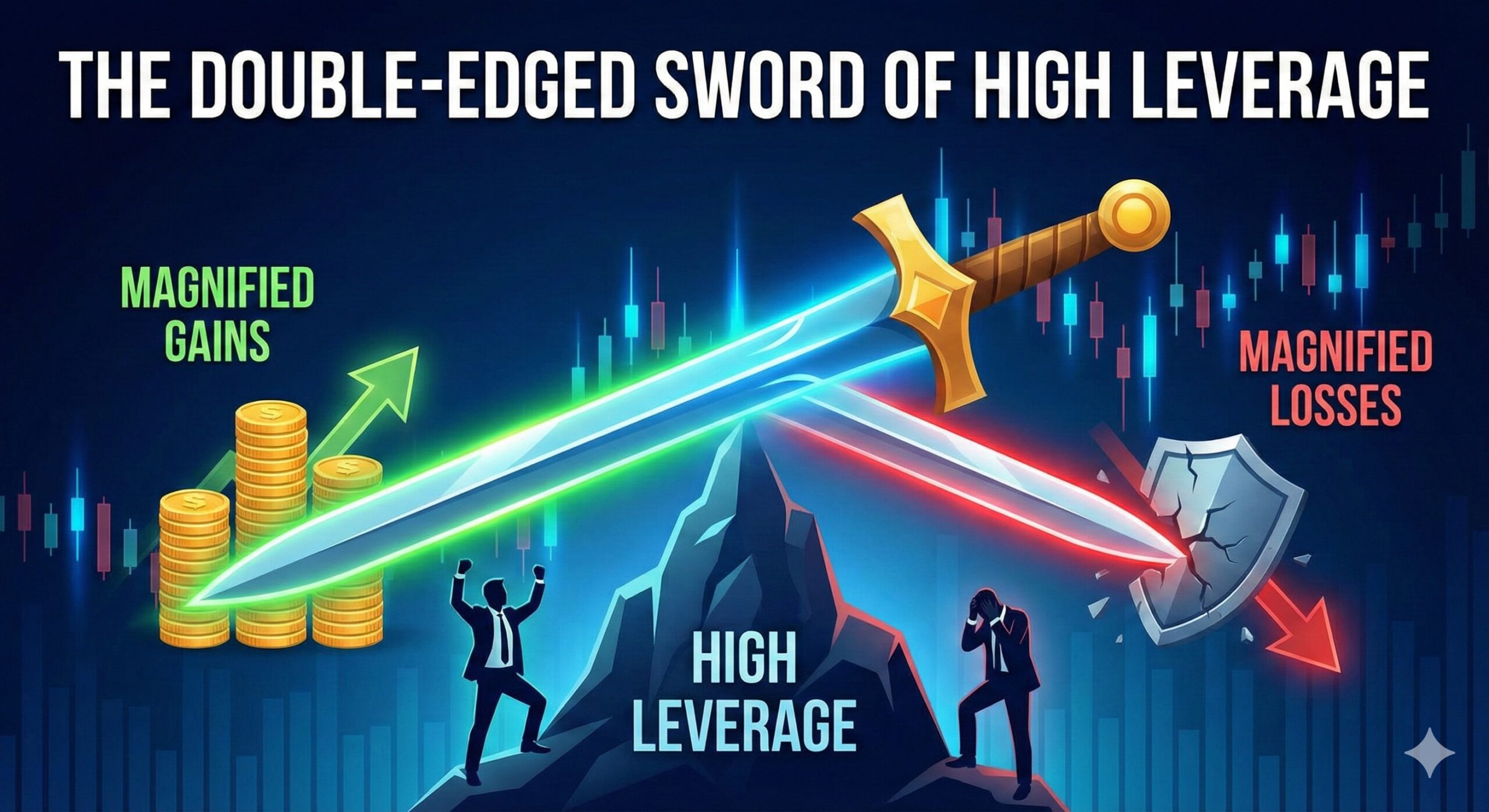
Brokers offer “leverage,” which is essentially a loan that allows you to trade with more money than you actually have.
- Example: With 1:100 leverage, a deposit of $10 can control a trade worth $1,000.
- The Danger: While leverage can magnify gains, it also magnifies losses. A very small move in the market (e.g., 1%) against your position can wipe out your entire account instantly. This is why leverage is often called a “double-edged sword.”
3. Lack of Knowledge
Many beginners treat forex like a casino or sports betting. Entering the market without understanding technical analysis (charts), fundamental analysis (news), or risk management is the primary cause of failure. The market is populated by institutional professionals; entering without training is dangerous.
Beginner Mistakes Nigerians Should Avoid
To align with safety principles and protect your financial future, avoid these common errors:
- Trusting “Account Managers”: Never give your money to someone on WhatsApp, Telegram, or Instagram who claims they will “trade for you” and split the profits. This is almost always a scam and violates SEC guidelines on authorized fund management.
- Overtrading: Trying to catch every single market move leads to excessive fees (spreads/commissions) and emotional burnout.
- Ignoring Risk Management: Trading without a “Stop Loss” (an automatic instruction to close a losing trade) is reckless. It is like driving a car without brakes.
- Using Unregulated Platforms: Depositing money into a platform that has no physical address, no regulation license number, and no verifiable history is a recipe for disaster.
Learning Forex Trading the Right Way
If you choose to participate in the market, you must prioritize education over profit seeking.
1. Education-First Approach
Spend months reading, watching educational videos, and understanding market theory before risking any money. Understanding the SEC Nigeria guidelines on forex scams is part of this education.
2. Use a Demo Account
Legitimate brokers provide Demo Accounts loaded with virtual “play money.”
- Purpose: It allows you to practice trading strategies in real-time market conditions without any financial risk.
- Advice: Do not move to a live account until you can maintain a steady balance on a demo account for at least 3 to 6 months.
3. Understanding Analysis
- Technical Analysis: The study of price charts, patterns, and indicators to predict future moves.
- Fundamental Analysis: The study of economic health (GDP, Inflation, Interest Rates) of countries to understand why a currency is strong or weak.
How to Stay Safe From Forex Scams in Nigeria
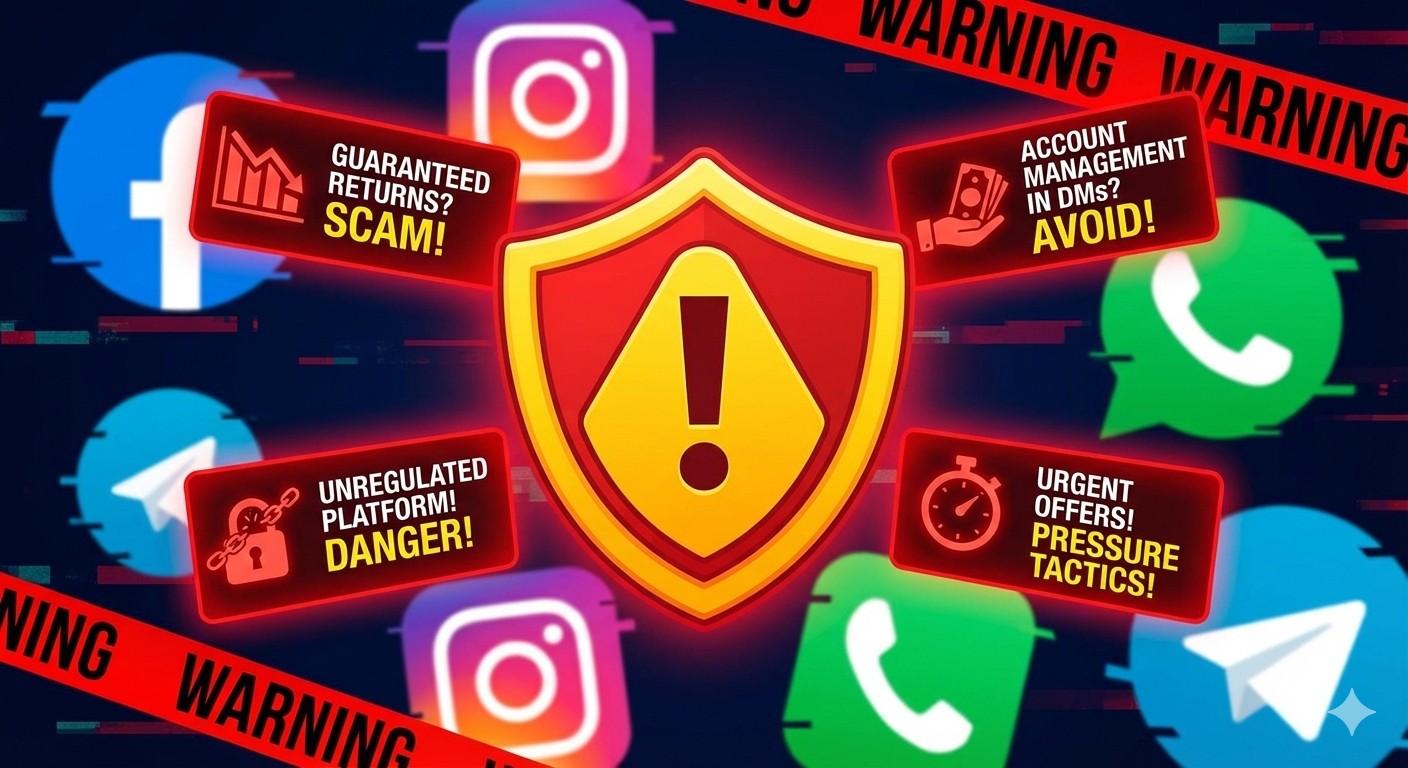
The SEC issues frequent circulars warning the public about illegal operators. Here is how to identify them:
- Guaranteed Returns: The forex market is unpredictable. No one controls it. Therefore, anyone promising a fixed ROI (e.g., “30% profit every week”) is lying and likely running a Ponzi scheme.
- Urgency Tactics: Scammers use pressure to make you deposit quickly (“Offer ends today!”, “Only 2 slots left!”). Legitimate markets will always be there tomorrow.
- No Physical Address: Legitimate businesses have verifiable offices. Scammers often operate solely from anonymous social media profiles.
- Unregistered Status: Check the SEC Nigeria website. If a company claims to be an “Investment Fund” but is not on the list of registered market operators, do not give them your money.
Frequently Asked Questions (FAQs)
1. Does the SEC Nigeria license forex brokers? Currently, the SEC regulates capital market operators. There is no specific licensing category active for “Online Retail Forex Dealing Desks” for international companies yet. Consequently, Nigerians typically trade with internationally regulated offshore brokers.
2. Is it a crime to trade forex in Nigeria? No. Individual trading for your own portfolio is not a crime. However, running an unregistered investment company that collects money from the public to trade forex is a crime under the Investments and Securities Act.
3. How much money do I need to start learning? You need Zero Naira. You should start learning using a free Demo Account. Do not deposit real money until you are educated and confident.
4. Can I get rich quickly with forex? No. Forex trading is a difficult profession that takes years to master. Most beginners lose money. It is not a “get rich quick” scheme; it is a high-risk financial activity.
5. What should I do if I have been scammed? You should report the incident to the SEC Nigeria and law enforcement agencies immediately. However, be aware that recovery of funds from unregistered, anonymous entities is often impossible, which is why prevention is key.
6. Why does the CBN restrict forex transactions? The CBN restricts forex transactions to protect the value of the Naira and manage the country’s foreign reserves. This affects how traders fund their accounts (e.g., restrictions on Naira cards) but does not ban the act of trading itself.
Conclusion
Understanding the SEC Nigeria guidelines on forex is about more than just rules; it is about self-preservation. The guidelines exist to separate legitimate financial activities from the predatory schemes that have unfortunately become common in our digital space.
Forex trading is a serious financial endeavor that requires discipline, patience, and a commitment to continuous learning. It is not an automated path to wealth, nor is it a game.
We encourage all Nigerian beginners to heed the warnings of the regulatory bodies: verify before you invest, prioritize education over speculation, and always remember that the safety of your capital is your personal responsibility.
Risk Warning & Disclaimer:
For Educational Purposes Only: The content provided in this article and on earnfx.ng is strictly for educational and informational purposes. It does not constitute financial, legal, or investment advice.
High Risk Involved: Forex trading involves a significant level of risk and may not be suitable for all investors. You may lose all of your invested capital.
Regulatory Notice: We strongly recommend that you conduct your own due diligence regarding the regulatory status of any financial service provider. The information presented here regarding SEC Nigeria guidelines is based on public educational knowledge and should be verified with official sources.