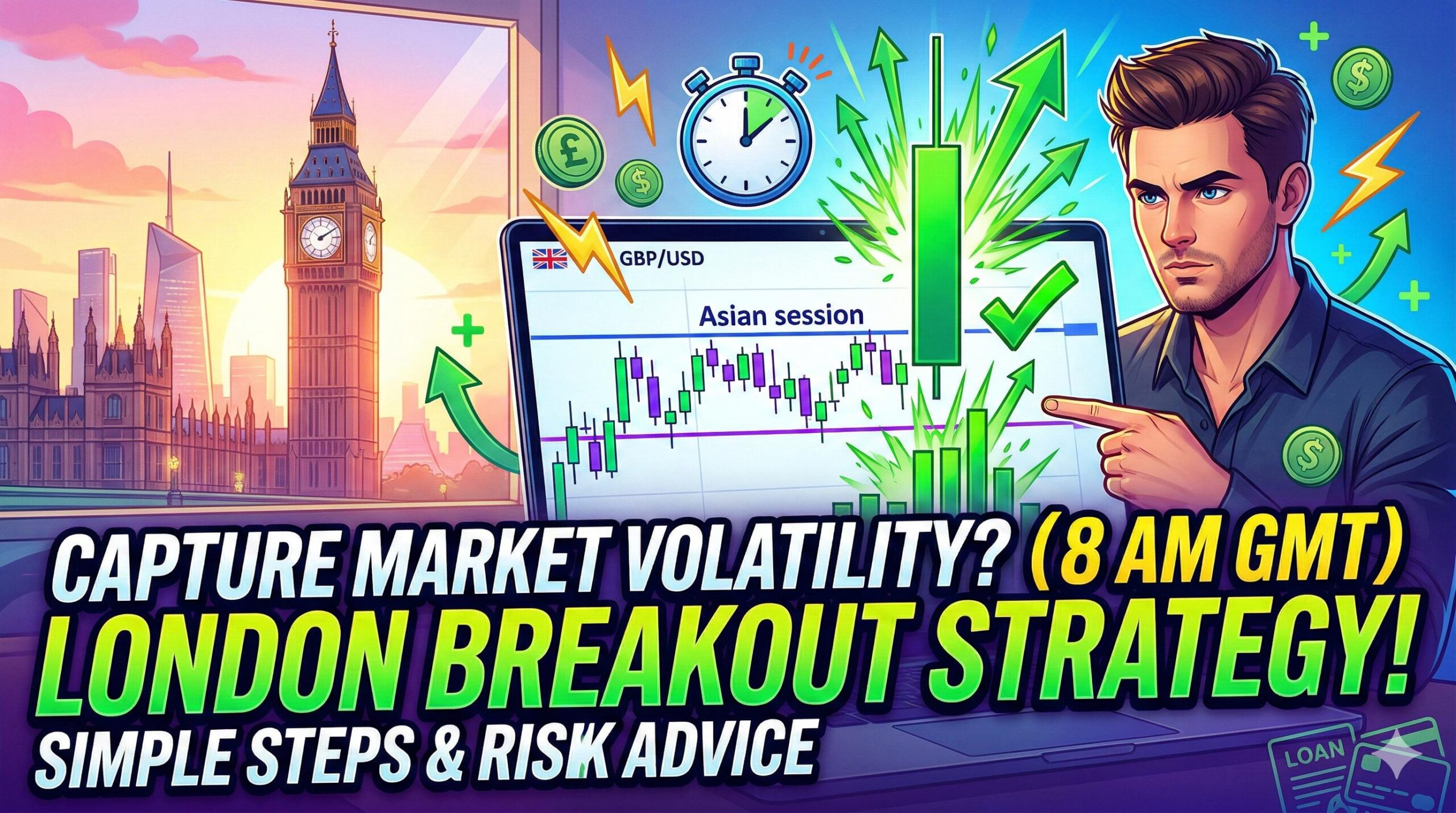


Introduction
Over the past couple of years, financial independence has become a hot topic in Nigeria, making its way from the bustling Lagos Island markets to the quieter, tech-centric hubs of Abuja. With the increased interest in international finance, a good number of young Nigerians have diverted their interest to the foreign exchange (forex) market. If you have been on the Nigerian trading scene on YouTube or Instagram, you must have heard of Jeffrey Benson.
Jeffrey Benson has become one of the most popular influencers among traders in Africa, especially in Lagos, because of his candid and educational approach. What really is the Jeffrey Benson Forex Strategy? Does it involve some sort of secret sauce, or is it a systematic way of analyzing the market?
The intricacies of charts and candlesticks may seem foreign to many newbies in trading. Terms like, “trendline bounces”, “breakout and retest”, and “psychological levels” may seem like jargon. This is the gap this guide seeks to cover. The aim is to take some of the most common components of the strategy flowing around Jeffrey Benson, especially in terms of his emphasis on pure Price Action and Trendlines, and simplifying them to the best of our ability.
We do not want to make unrealistic promises, such as selling you on becoming wealthy overnight. Selling you on wealth is selling you on a lie. Instead, we promise to build an educational base to build your outlook on how to be a trader and make a living legally in trading and (for the time being) in Nigeria with the current CBN (Central Bank of Nigeria) policies, how to defend your hard-earned Naira from scams against novice traders.
Disclaimer:There is a high risk of losing some or all your investmen. There is also a risk of losing your entire investment. The immaterial provided is for educational purposes and is not to be considered as financial advice.
Table of Contents
What Is Forex Trading?

Every strategy has underlying fundamentals where we start without any abstraction. Then we can define the Forex market. Forex simply refers to the market that facilitates the buying and selling of different national currencies. It is the most significant financial market and is larger than the stock market by a huge margin.
As an example, suppose a business located in Onitsha wants to import spare parts from Japan. They won’t be able to pay in Naira. They will have to convert their Naira (NGN) into either Japanese Yen (JPY) or US Dollars (USD). This conversion is what creates demand and supply.
- When demand goes up: The price of the currency rises.
- When demand goes down: The price falls.
Retail traders (people like you) study these movements to see how prices may change next. If you purchase a currency pair and the price increases, you profit. But if the price falls, you incur a loss. This is a matter of business and involves a lot of effort, research, and patience.
How Forex Trading Works

Forex trading works differently than trading on the Nigerian Stock Exchange (NGX). Before any beginner trader attempts to put any strategy into action, these are the basics you need to understand mechanically:
The Market Hours
The stock market closes for the day, but Forex opens for trading 24/5. It opens on Monday morning (Nigerian time) and closes on Friday night. This gives Nigerian traders the ability to trade around their 9 to 5 jobs or school.
Currency Pairs
In trading, you always deal with two currencies, since you are simultaneously selling one and buying another.
- Major Pairs: These always include the US Dollar, e.g. USD/EUR, USD/GBP, etc. These are the most sought after as well as the most stable.
- Minor/Exotic Pairs: These include currencies like the South African Rand, or the Naira, although the Naira is rarely traded on retail platforms due to being so volatile.
The Broker
A Broker is a company that gives you access to the market. They provide the software (like MetaTrader 4 or 5) where you view charts.
- Crucial Note: The broker is just a gateway. They do not trade for you. You must make your own decisions.
The Core Concepts of the Strategy

When traders search for the Jeffrey Benson forex strategy, they are usually looking for a style of trading known as Price Action. This means the trader ignores complex indicators (like robots or confusing mathematical lines) and focuses purely on what the price is doing right now. Based on his educational materials, here are the three pillars of this approach:
1. Trendlines (The “Rule of Three”)
A major component of this strategy is the use of Trendlines.
- What is it? A trendline is a straight line drawn connecting the “lows” of an uptrend or the “highs” of a downtrend.
- The Strategy: You cannot just draw a line anywhere. For a trendline to be considered “valid” in this methodology, it often needs three distinct touches. The first two touches establish the line, but the third touch confirms it. Traders often look to enter the market on the third or fourth touch of the trendline.
2. Breakout and Retest
Markets do not stay in trends forever. Eventually, the trendline will break.
- The Mistake: Amateurs see the line break and immediately jump in.
- The Strategy: The disciplined approach teaches patience. You wait for the price to break the line, and then come back to touch it from the other side. This is called a “Retest.” If the price holds at this retest point, it confirms that the old support has become new resistance (or vice versa). This is considered a safer entry point.
3. Psychological Levels
This is a key concept often emphasized in advanced price action courses.
- The Concept: Human beings and banking algorithms love round numbers. We prefer to say “1.2500” rather than “1.2487.”
- The Application: On your chart, these “Whole Numbers” (like 1.1000, 1.2000) or “Mid-Numbers” (like 1.1050, 1.2050) act as hidden zones of Support and Resistance. Price will often reverse exactly at these levels because that is where the big institutions have placed their orders.
Is Forex Trading Legal in Nigeria?

Considering the recent developments in financial regulations, this is an important question.
Forex trading is legal in Nigeria. As of now, no law prevents an individual Nigerian from opening a brokerage account and trading currency with their legal personal funds.
The Regulatory Landscape (CBN Updates)
The Central Bank of Nigeria (CBN) The CBN imposed some guidelines to stabilize the Naira for the years 2024 and 2025.
- For Individuals: You are allowed to trade, but it must be through approved means of funding.
- For Businesses: The CBN has cracked down on unlicensed Bureau De Change (BDC) operators to stop money laundering.
- Fund Management: This is the most important distinction. While you can trade your own money, it is illegal to collect money from the public (pool funds) to trade on their behalf without a license from the Securities and Exchange Commission (SEC).
Common Forex Trading Risks
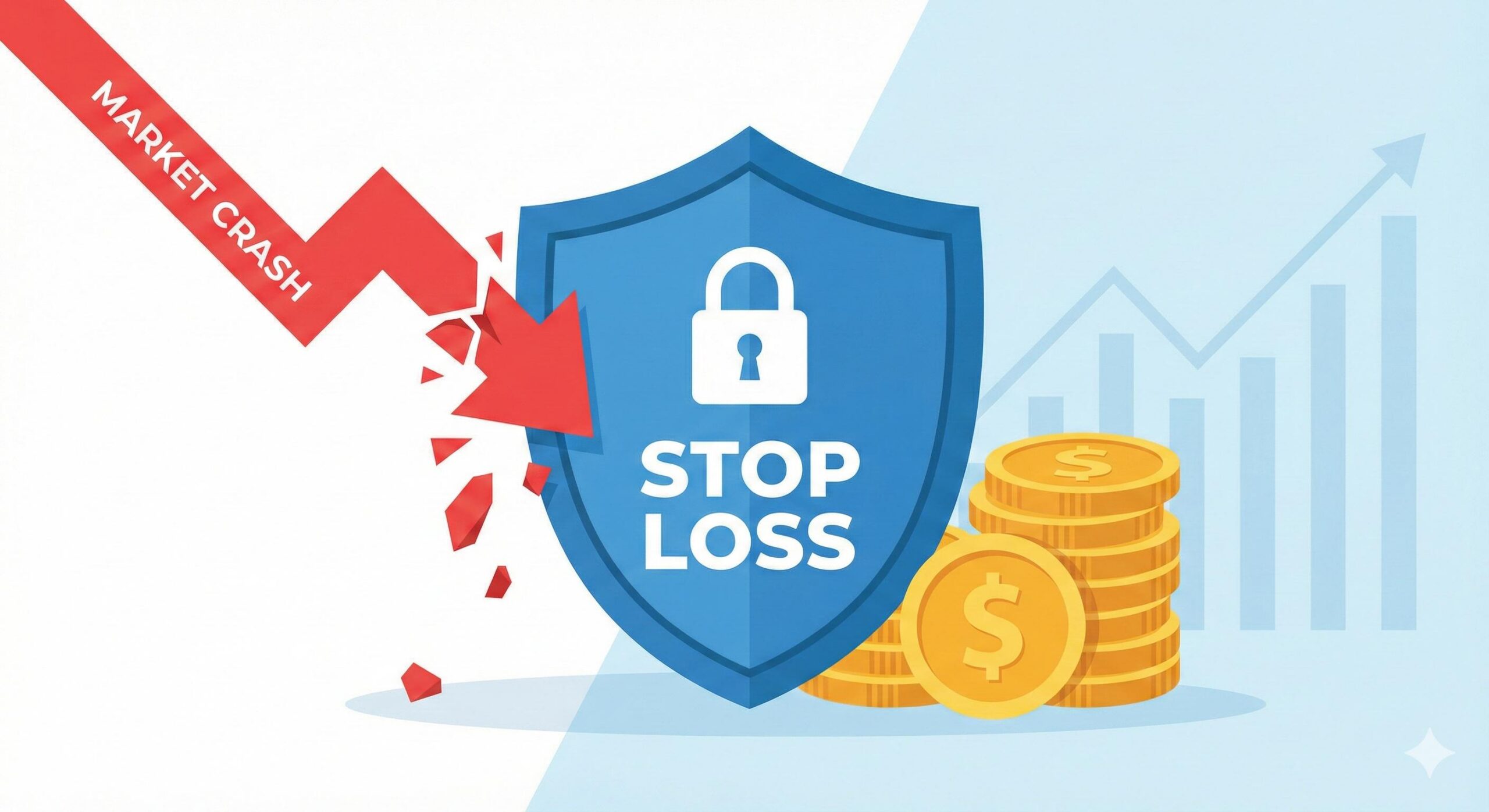
Understanding the strategy is only 20% of the work. The other 80% is managing risk. Without this, the strategy is useless.
1. The Trap of Leverage
Brokers offer “leverage,” which allows you to control large positions with small deposits (e.g., 1:500).
- The Risk: Leverage is a double-edged sword. While it can magnify gains, it also magnifies losses. A small move of just 10 or 20 pips against you can wipe out your entire account if you are over-leveraged.
2. Market Volatility
The market is influenced by global news—like US inflation data or wars. During these events, price can spike unpredictably. If you are holding a trade without a Stop Loss during a major news release, you are gambling, not trading.
3. Emotional Discipline
Jeffrey Benson often speaks about the psychology of trading. The hardest part is not reading the chart, but controlling your own fear and greed.
- Revenge Trading: This happens when you lose a trade and immediately open a bigger one to “win it back.” This almost always leads to total failure.
Beginner Mistakes Nigerians Should Avoid
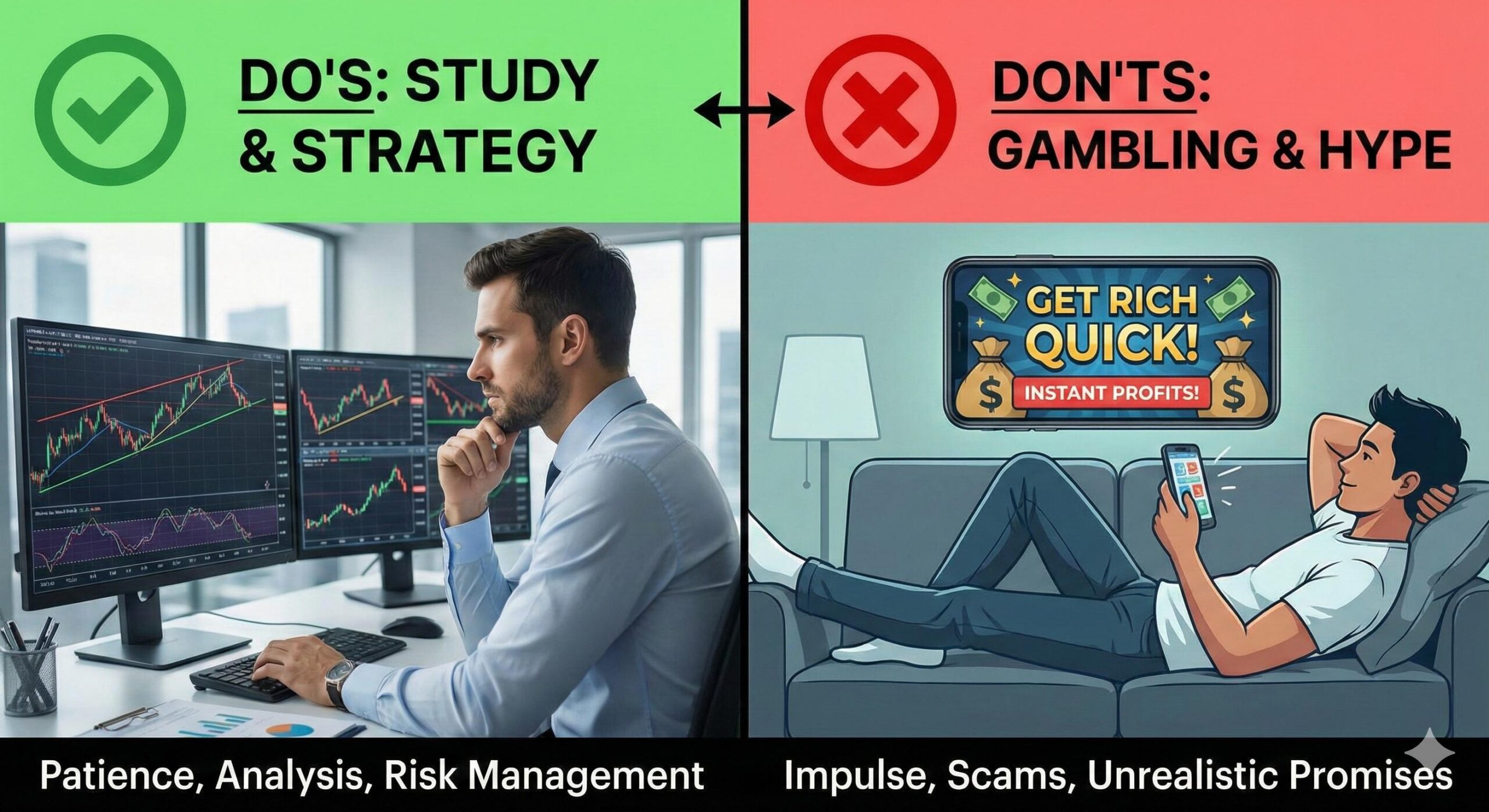
As you start your journey, avoid these common pitfalls that trap many Nigerian beginners:
- Buying “Signals”: Many beginners pay monthly fees to WhatsApp admins who promise to tell them exactly when to buy or sell. You will never learn to be independent this way.
- Thinking in “Naira” instead of “Pips”: Do not say, “I want to make ₦50,000 today.” This puts pressure on you to force trades that aren’t there. Focus on catching good pips, and the money will follow.
- Over-Switching Strategies: One week you try Trendlines, the next week you try Robots, the next week you try Indicators. Stick to one strategy (like Price Action) for at least 6 months to master it.
- Ignoring the News: Even technical traders must know when the “Non-Farm Payroll” (NFP) is being released, as it causes massive volatility.
Learning Forex Trading the Right Way
If you are serious about mastering the markets, follow this structured path:
Phase 1: The Education Phase
Before you download any app, spend time learning. Watch educational videos, read guides on earnfx.ng, and understand the terminology. Know what a “pip” is before you ever place a trade.
Phase 2: The Demo Phase
Open a Demo Account. This lets you trade with virtual “fake” money in real market conditions.
- The Challenge: Try to grow a demo account for 3 months. If you cannot make a profit with fake money, you will definitely not make a profit with real money.
Phase 3: The Live Phase (Small Capital)
Only after you are consistent on Demo should you risk real funds. Start small—an amount you can afford to lose without affecting your rent or feeding allowance.
SEC Nigeria Guidelines on Forex: A Beginner’s Educational Guide (2026)
How to Stay Safe From Forex Scams in Nigeria
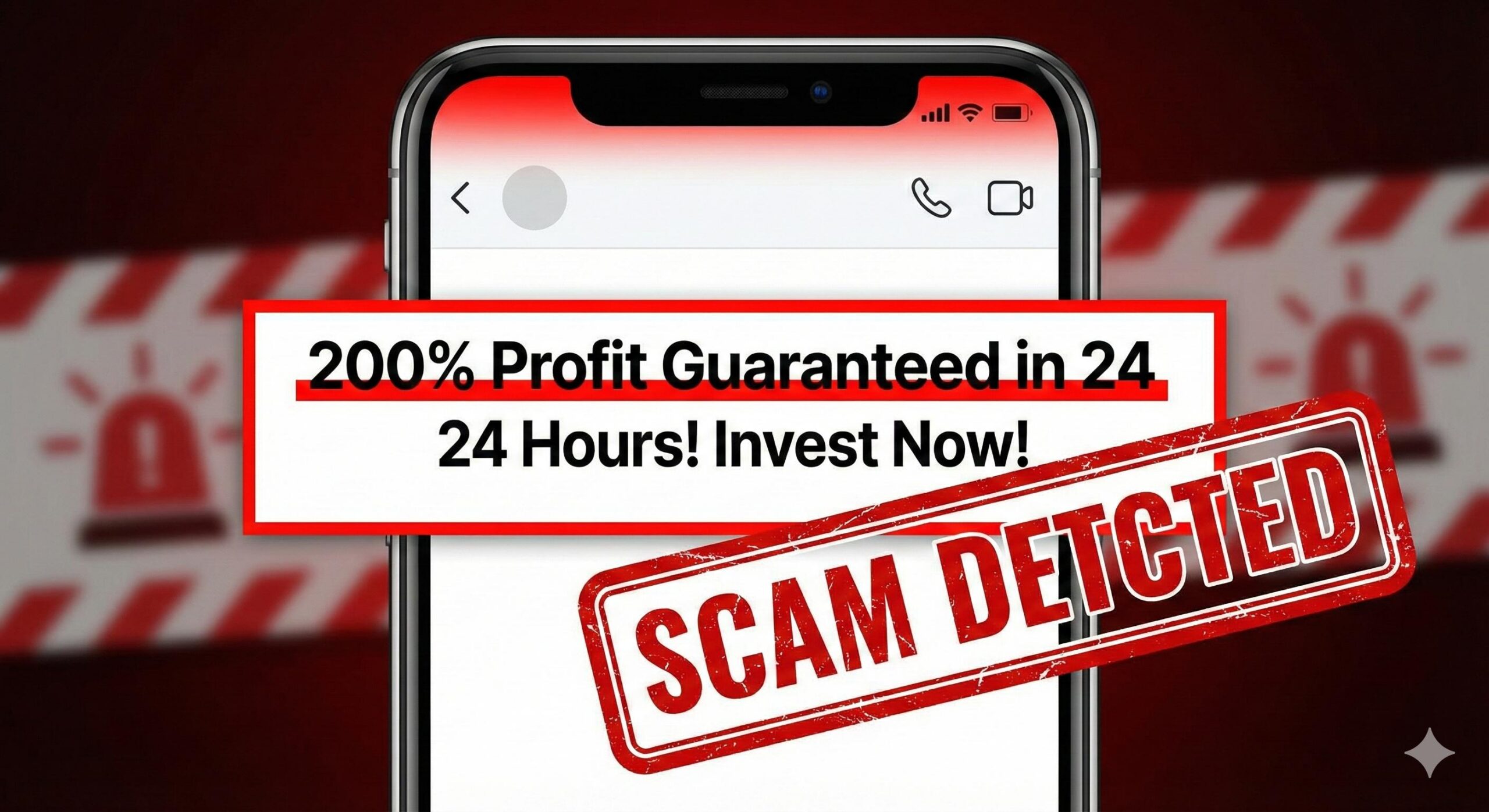
The popularity of trading has attracted wolves. Be vigilant against these common scams:
- The “Flip Cash” Scam: Scammers on Instagram or Twitter will ask you to send ₦10,000 to receive ₦100,000 in 45 minutes. This is always a lie. Real trading does not yield 1,000% returns in an hour.
- Impersonators: Scammers create fake profiles using the names and photos of famous traders like Jeffrey Benson. They will DM you asking for money for “investment.” Real educators will never DM you first to ask for money.
- Fake Brokers: Always check if a broker is regulated. If a “broker” asks you to deposit money into a personal bank account (Opay/Palmpay) instead of a corporate account, run away.
Frequently Asked Questions (FAQs)
Q: Is forex trading a rapid way to earn profit? A: No. Forex trading is a skill that takes several years to perfect. Most novices go a year losing money. It takes a significant amount of time and effort comparable to a skilled trade or a university degree.
Q: Is a computer necessary to trade? A: Trades can be made through mobile devices. However, trend line and price action analyses are much easier to perform and more accurate when using a computer or tablet.
Q: What is the start-up cost? A: To begin learning, you technically do not need money. You can practice on a free demo account. Once you are set for live trading, some brokers allow minimum deposits of $10. However, starting with a low amount of money makes risk management nearly impossible.
Q: Is profit within the range of possibilities? A: On the contrary. The market’s behavior is consistent with a lack of predictability. Even professionals do not win every time. The objective is to have more victories than defeats.
Q: Is it possible to use this strategy on cryptocurrencies? A: Absolutely. The principles of price action, support and resistance, and trend lines are universal across all financial markets, including crypto (bitcoin) and stocks.
Conclusion
The Jeffrey Benson forex strategy shows how to appreciate the market by using disciplines such as the application of Trendlines, Price Action, and Psychological Levels. It helps you to focus on the market sentiment and price progression without using distracting technical indicators.
For Nigerian youths, Forex illustrates how to appreciate the global economic system. It must, however, be approached with caution, with the requisite knowledge, and a healthy respect for risk.
Remember as you continue on earnfx.ng that your capital is equivalent to your business stock. Protect it fiercely. Don’t be in a hurry to “blow” your account by trading high leverage. Study intensively, practice on demo accounts, and treat trading with the respect and seriousness it warrants.