
Introduction
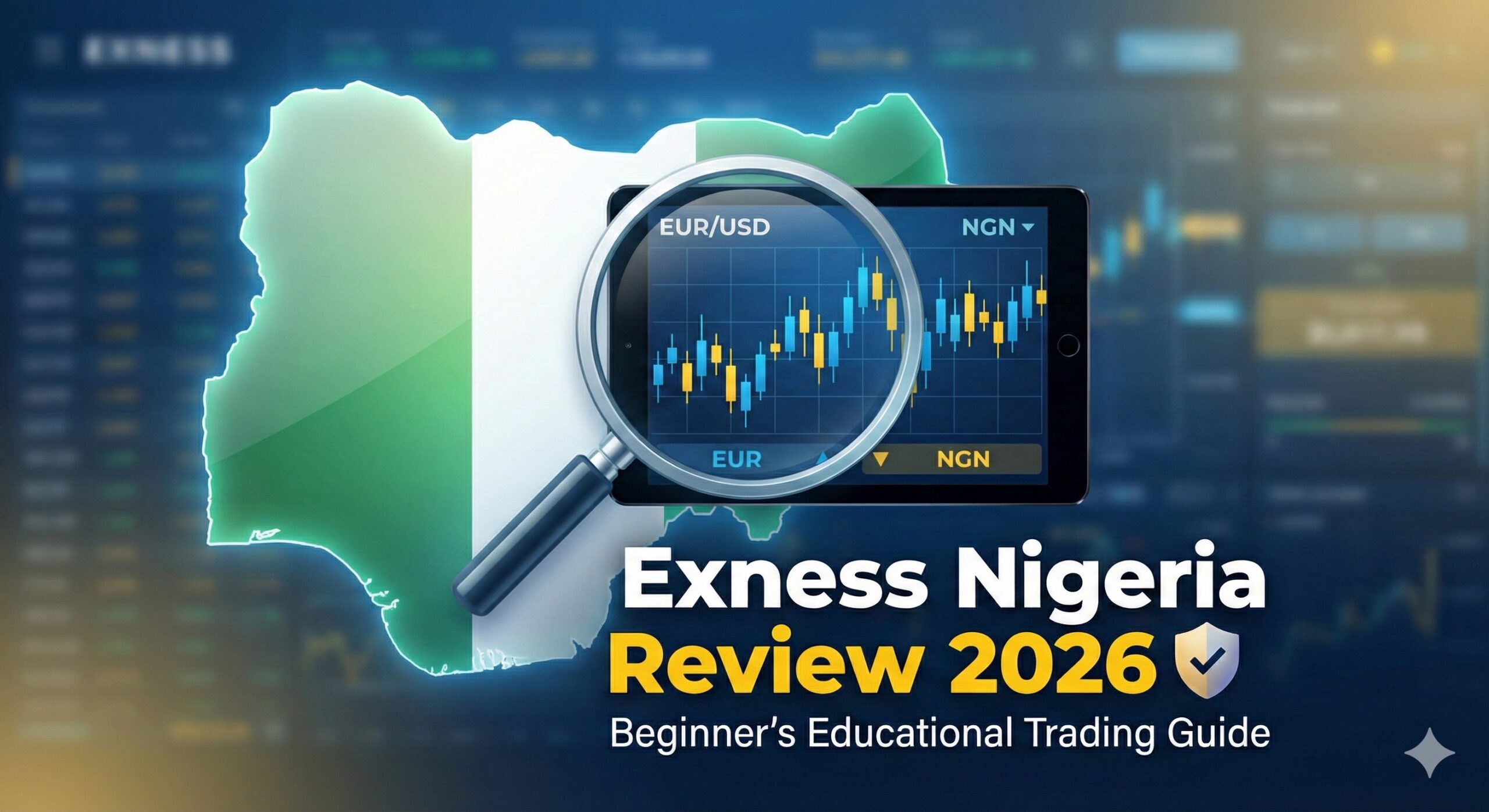
In recent years, the financial landscape in Nigeria has witnessed a significant shift towards digital markets. With the rise of internet accessibility across states like Lagos, Abuja, and Port Harcourt, more Nigerians are expressing interest in the global foreign exchange (forex) market. Amidst this growing interest, many potential traders frequently search for information regarding international brokers. One specific topic gaining traction is the Exness Nigeria review 2026.
Forex trading represents a complex global environment where currencies are exchanged. However, for a beginner in Nigeria, navigating the terminology, understanding the risks, and selecting the right educational path can be overwhelming. The market is not a guaranteed path to wealth; it is a volatile financial environment where the majority of retail traders lose money.
This guide aims to provide a neutral, in-depth educational resource. We will explore what forex trading actually is, how brokers like Exness operate within the Nigerian context, and the fundamental risks that every aspiring trader must understand. Our goal is to shift the focus from “making money” to “learning the skill” and understanding market mechanics.
Table of Contents
What Is Forex Trading?
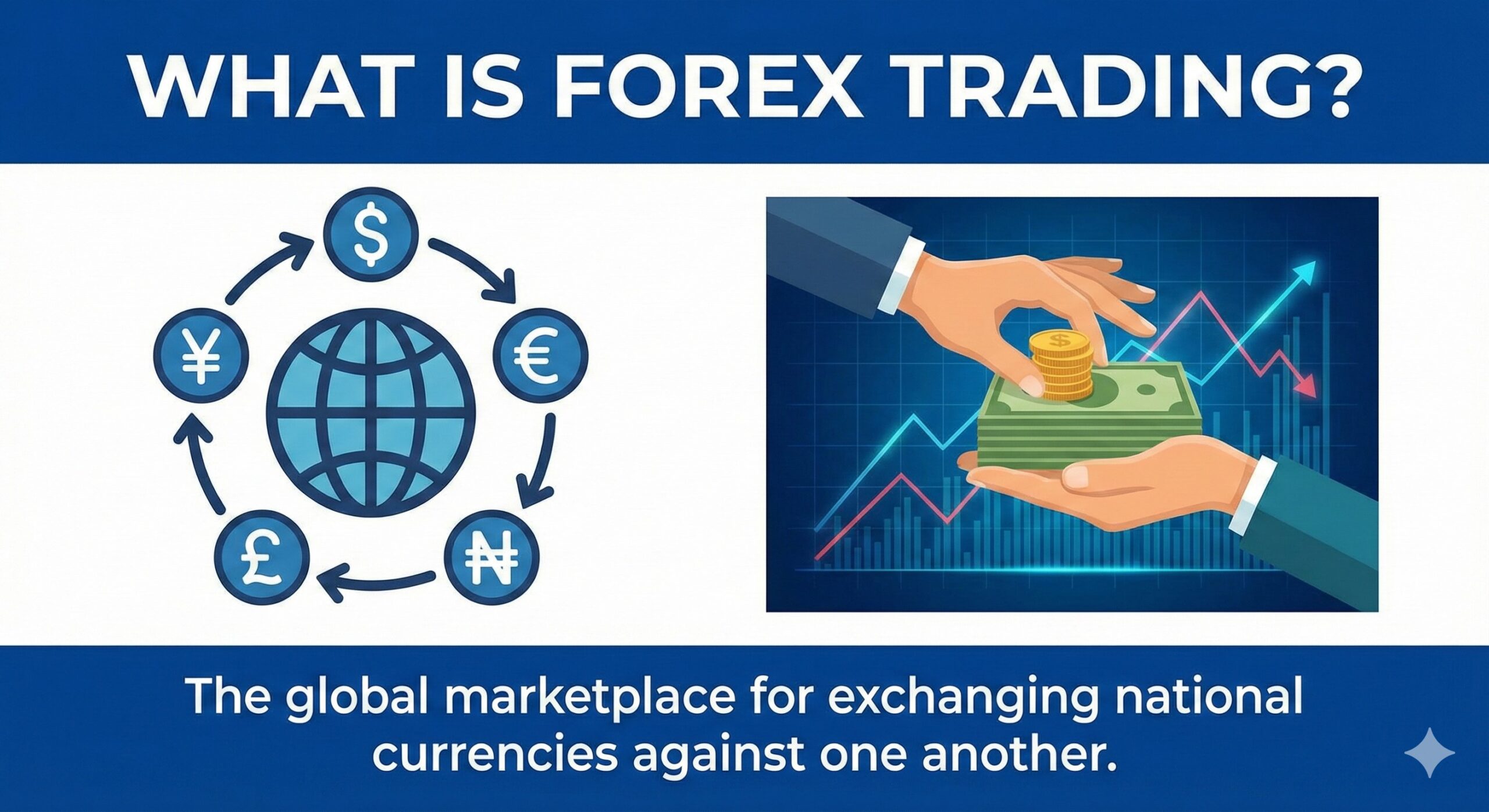
Forex (Foreign Exchange) is the decentralized global marketplace for trading national currencies against one another. It is the largest and most liquid financial market in the world, operating 24 hours a day during the business week.
To understand forex in simple terms, consider the concept of travel. If a Nigerian traveler intends to visit the United States, they must exchange their Naira (NGN) for US Dollars (USD). This transaction happens at a specific exchange rate. If the traveler holds onto those dollars and the exchange rate changes—specifically, if the dollar gains value against the Naira—when they convert the money back, they might receive more Naira than they originally started with.
The Role of the Trader Online forex traders do not buy currencies to spend them. Instead, they speculate on these price fluctuations. They analyze economic indicators, news, and charts to predict whether a currency will strengthen or weaken.
- Buying (Long): You believe the base currency will rise in value.
- Selling (Short): You believe the base currency will fall in value.
It is crucial to understand that unlike traditional savings or fixed deposits, forex trading carries the risk of losing your entire capital.
How Forex Trading Works
For a beginner reading this Exness Nigeria review 2026, understanding the underlying machinery of the market is more important than the broker itself.
1. Market Hours
The forex market is unique because it does not have a central physical location like the Nigerian Stock Exchange. It operates through a global network of banks, corporations, and individuals. The market opens in New Zealand and Australia, moves to the Asian session (Tokyo), then to the European session (London), and finally to the North American session (New York). This cycle allows Nigerians to access the market at almost any time from Monday morning to Friday night.
2. Currency Pairs
Currencies are always traded in pairs.
- Major Pairs: These include the US Dollar and trade most frequently (e.g., EUR/USD, GBP/USD).
- Minor Pairs: These do not include the US Dollar (e.g., EUR/GBP).
- Exotic Pairs: These involve a major currency and a currency from a developing economy.
3. Buyers and Sellers
The market price is determined by supply and demand. If the Central Bank of Nigeria (CBN) were to adjust policies affecting the Naira, or if the US Federal Reserve changes interest rates, the balance of buyers and sellers shifts, causing prices to move.
4. The Role of Brokers
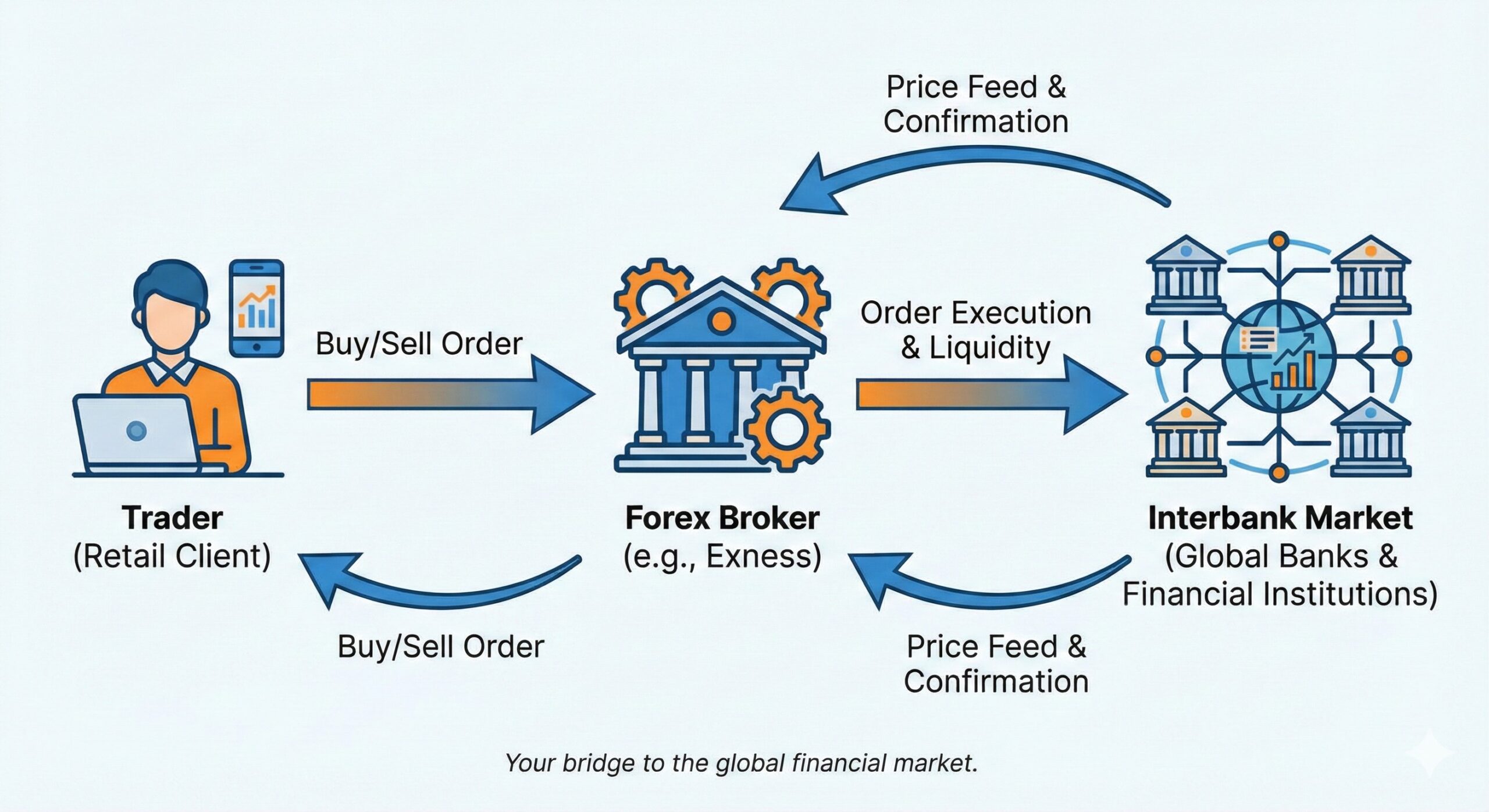
An individual cannot simply walk into the interbank market to trade. This is where a broker comes in. A broker is a financial services company that provides traders with access to a platform for buying and selling foreign currencies.
- The Platform: The software (like MetaTrader 4 or 5) where you view charts.
- Execution: The broker matches your buy/sell orders with the market.
- Custody: The broker holds your trading capital.
Is Forex Trading Legal in Nigeria?
A common question among beginners concerns the legality of the activity.
The Legal Status Yes, forex trading is legal in Nigeria. There are no laws prohibiting Nigerian citizens from engaging in online forex trading for their personal accounts. Nigerians are free to open accounts with international brokers and trade global currencies.
Regulatory Context However, it is important to distinguish between legality and local regulation. The Central Bank of Nigeria (CBN) regulates the banking sector and traditional financial institutions. Currently, the online retail forex brokerage industry does not have a specific regulatory framework within Nigeria issuing licenses to international brokers.
What This Means for You Most brokers serving Nigerian clients, including Exness, are “offshore” brokers. They are usually regulated by international bodies such as the Financial Conduct Authority (FCA) in the UK, the Cyprus Securities and Exchange Commission (CySEC), or the Financial Sector Conduct Authority (FSCA) in South Africa.
- Educational Tip: When choosing a broker, always check for valid international regulation. This is your primary layer of safety, as there is no local Nigerian ombudsman for disputes with international forex brokers.
Exness Nigeria Review 2026: Analyzing Broker Features
In the context of 2026, Exness remains a prominent option for Nigerian traders. This section of our Exness Nigeria review 2026 provides an educational breakdown of the features that define this broker. This is an objective analysis, not a recommendation.
1. Account Types for Different Experience Levels
One of the most critical aspects of risk management is choosing the right account size.
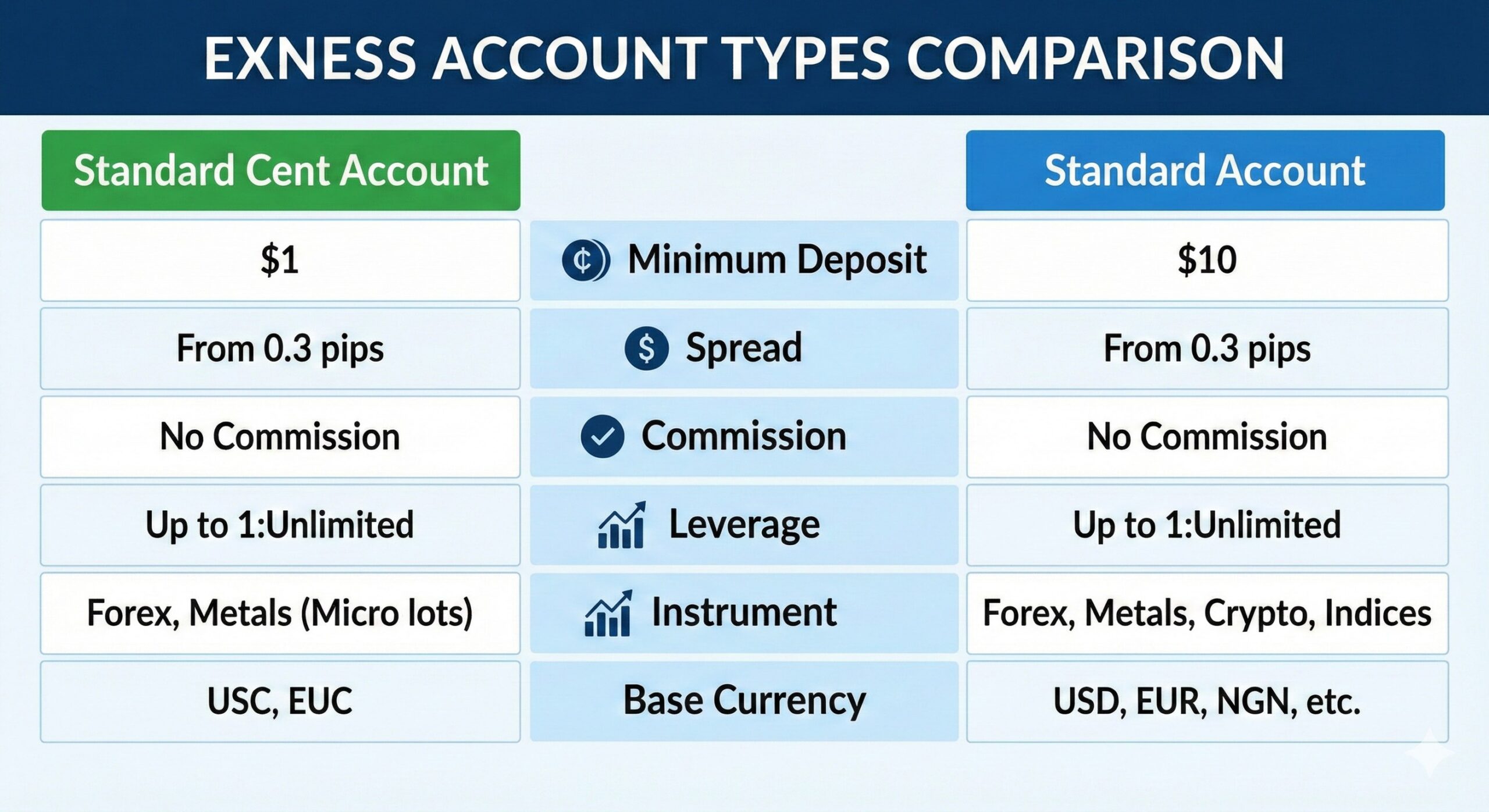
- Standard Cent Account: This account type is often recommended for beginners transitioning from a demo account. It measures the balance in cents (e.g., $10 appears as 1,000 cents). This allows new traders to practice real-money trading dynamics with micro-volumes, significantly reducing financial exposure.
- Standard Account: This is the general account used by many traders, featuring market execution and stable spreads.
- Pro/Raw Accounts: These accounts often feature lower spreads but charge a commission per trade. They are generally suited for advanced traders who understand cost-benefit analysis.
2. Local Payment Methods
For a broker to be accessible in Nigeria, they must solve the payment hurdle. Exness is known for integrating local Nigerian online banking transfers.
- Deposit/Withdrawal: Traders can transfer Naira (NGN) from their local bank accounts. The broker’s system converts this to the trading account currency (usually USD) at the prevailing exchange rate. This feature eliminates the strict need for a domiciliary account for smaller traders.
3. Swap-Free (Islamic) Accounts
Recognizing the diverse demographics of Nigeria, Exness offers swap-free accounts for Muslim traders. This feature ensures that no interest is credited or debited for positions held overnight, complying with Sharia law regarding interest (Riba).
4. Platform Reliability
Exness supports MetaTrader 4 (MT4) and MetaTrader 5 (MT5). These are industry-standard platforms. For beginners, learning to use these platforms is a skill in itself, requiring practice in reading charts, placing orders, and using technical indicators.
Common Forex Trading Risks (IMPORTANT)
This is the most critical section of this guide. Many beginners are attracted to forex by social media hype, ignoring the substantial risks involved.
1. Market Volatility
The forex market is highly volatile. Prices can change rapidly due to geopolitical events, economic news releases, or natural disasters. While volatility creates trading opportunities, it also creates the risk of rapid, significant losses.
2. Leverage Risk
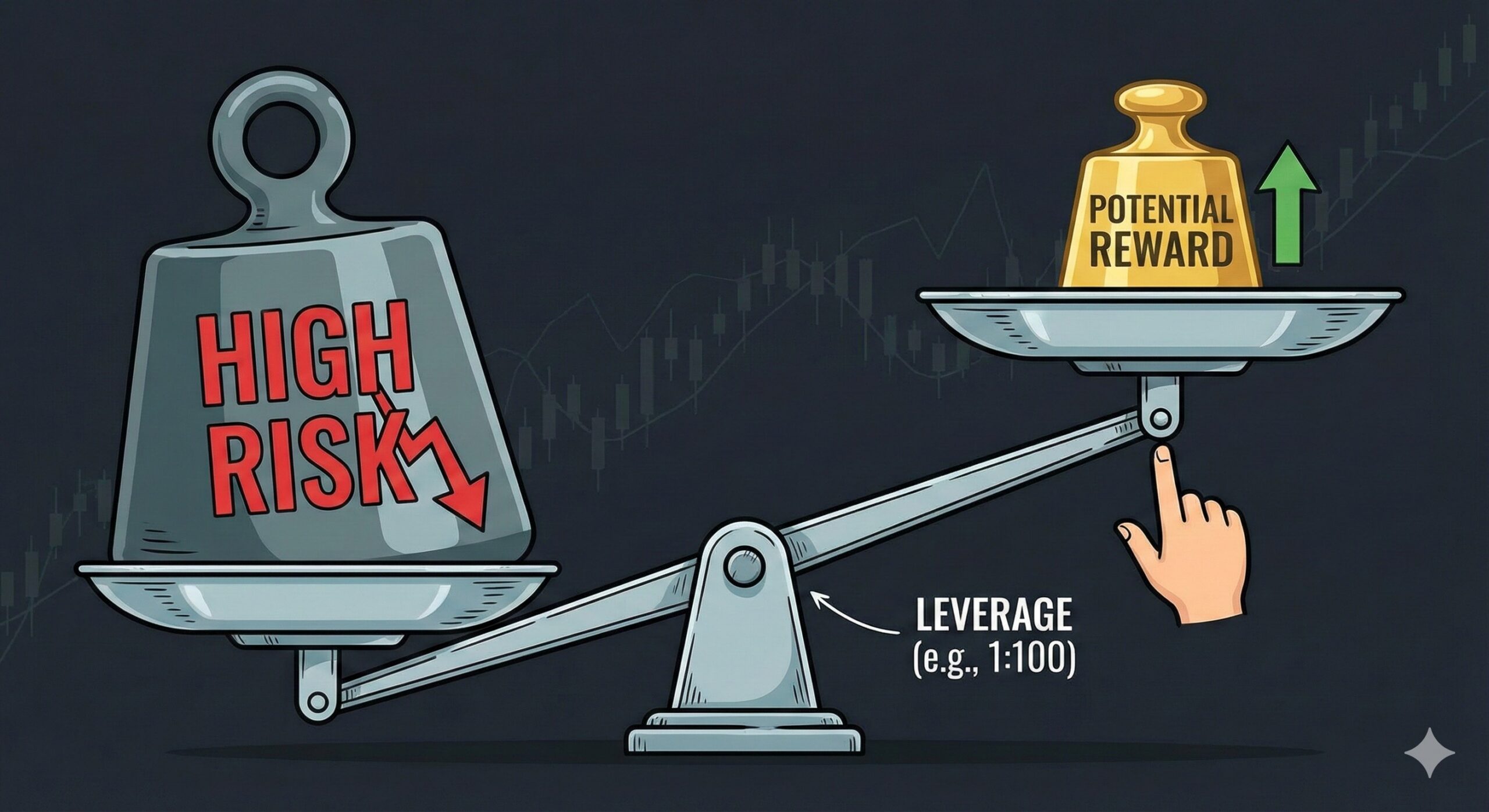
Leverage is a tool that allows traders to control large positions with a small amount of capital.
- Example: With 1:100 leverage, a $100 deposit can control a $10,000 position.
- The Danger: Leverage is a double-edged sword. While it can magnify gains, it also magnifies losses. A small price movement against your trade can wipe out your entire account balance instantly. High leverage is the primary reason beginners fail.
3. Psychological Factors
Trading involves intense psychological pressure. Fear, greed, and the desire to “recover losses” (revenge trading) often lead to poor decision-making and financial ruin.
4. Operational Risks
In Nigeria, technical issues such as internet connectivity drops or power outages can occur. If a trader has an open position without a “Stop Loss” order and loses internet connection, they are exposed to unlimited risk if the market turns against them.
Beginner Mistakes Nigerians Should Avoid
To navigate the market safely, beginners must avoid these common pitfalls:
- Overtrading: Opening too many positions at once or trading too frequently. This usually leads to a depletion of capital through spreads and losses.
- Ignoring Risk Management: Trading without a Stop Loss. A Stop Loss is an automatic instruction to close a trade at a specific price to prevent further loss. Trading without one is akin to driving a car without brakes.
- Chasing “Signals”: Relying on paid groups or “gurus” on Telegram to tell you what to buy or sell. This prevents you from learning the skill yourself and often leads to losses, as many signal providers are unregulated.
- Using Money Meant for Essentials: Never trade with money meant for rent, school fees, or food. The emotional attachment to this money will cloud your judgment and lead to failure.
Learning Forex Trading the Right Way
Success in forex trading is a marathon, not a sprint. It requires a dedication to education.
1. Education-First Approach
Before depositing any money, spend time learning the basics. Read books on technical analysis, fundamental analysis, and trading psychology. Understand terms like “pips,” “lots,” “margin,” and “equity.”
2. The Demo Account
A Demo Account is a practice account with virtual money.
- Actionable Advice: Open a demo account with a broker like Exness. Trade on it for at least 3 to 6 months. Treat the virtual money as if it were real. If you cannot be profitable on a demo account, you will not be profitable with real money.
3. Start Small
When you are ready to trade live, start with the smallest amount possible. The goal of your first year is not to make a profit, but to protect your capital and learn how the market moves.
How to Stay Safe From Forex Scams in Nigeria
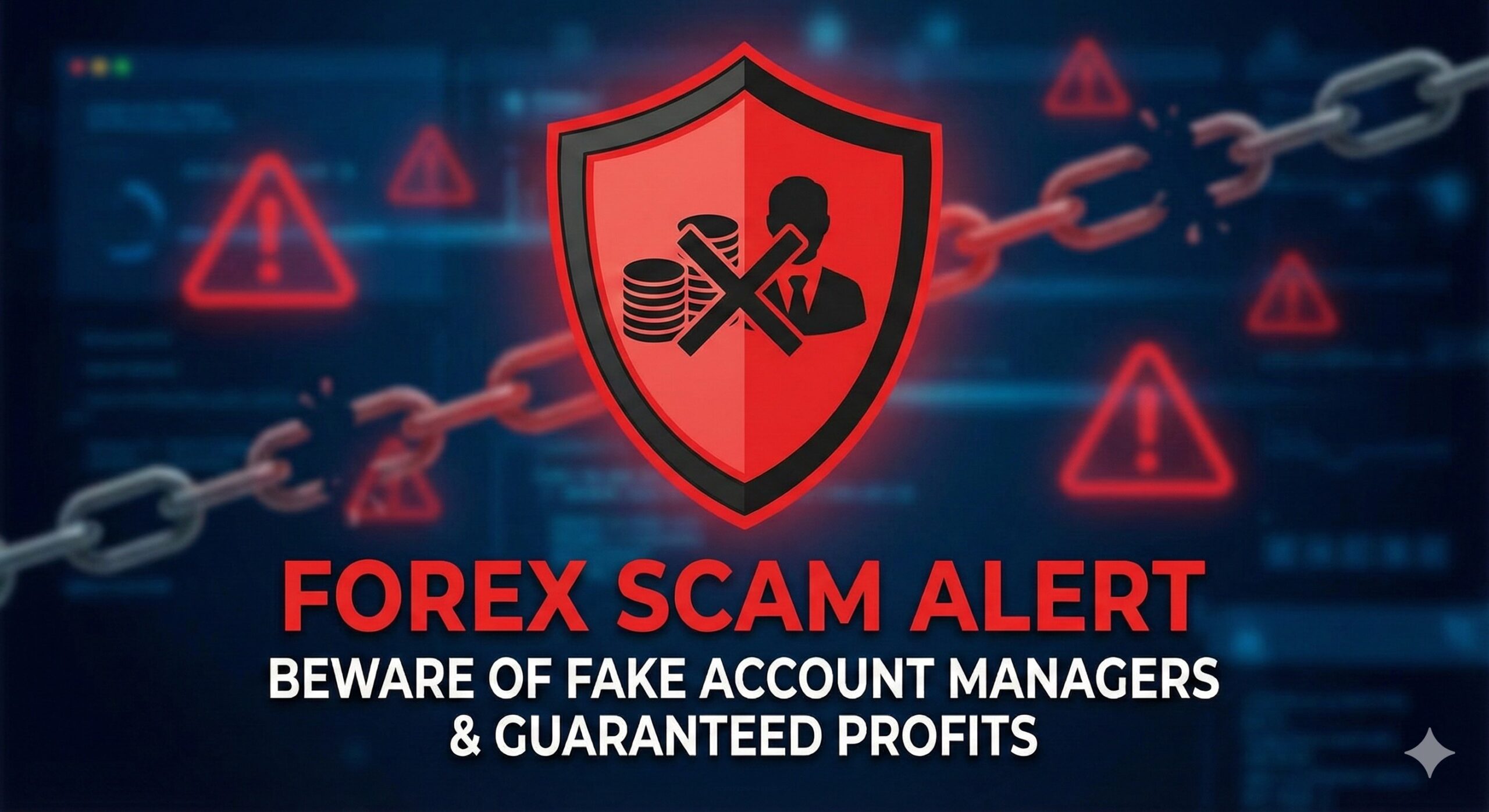
The popularity of forex has unfortunately attracted scammers targeting Nigerians.
- Red Flags: Be wary of anyone promising “guaranteed returns” (e.g., “Invest N50,000 and get N100,000 in 24 hours”). Forex trading does not offer guaranteed returns. These are Ponzi schemes.
- Fake Investment Platforms: Scammers create websites that look like legitimate brokers. Always verify the URL carefully. Official brokers will never ask you to transfer money to a personal bank account.
- WhatsApp/Telegram Scams: Legitimate brokers do not contact you privately on social media to ask for deposits. If someone claims to be an “Account Manager” and asks for money, block them immediately.
Frequently Asked Questions (FAQs)
1. Is forex trading safe for beginners in Nigeria? Forex trading is inherently risky. While the broker platform may be secure, the act of trading involves financial risk. Most beginners lose money due to a lack of knowledge and poor risk management.
2. Can I deposit in Naira on Exness? Yes, Exness and several other international brokers accept deposits in Naira via local bank transfers. The funds are then converted to the base currency of your trading account.
3. What is the minimum amount to start learning? You can start learning for free using a Demo Account. For live trading, many brokers offer “Cent Accounts” with minimum deposits as low as $10, which is ideal for educational purposes.
4. Are forex profits guaranteed? No. There are no guarantees in the financial markets. It is possible to lose all invested capital.
5. How long does it take to learn forex? It varies by individual, but generally, it takes months or even years of consistent study and practice to become proficient.
6. Do I need a laptop to trade? While mobile apps are available, professional analysis is often better performed on a laptop or desktop computer with a larger screen to view charts clearly.
Conclusion
In this Exness Nigeria review 2026, we have explored the fundamental aspects of the broker and the broader forex market. Forex trading offers an avenue for Nigerians to participate in the global economy, but it is not a get-rich-quick scheme. It is a serious endeavor that requires discipline, patience, and continuous education.
Brokers like Exness provide the necessary infrastructure—such as local funding options and educational account types—but the responsibility for success or failure lies with the trader. We strongly encourage all beginners to prioritize learning. Use demo accounts, study market movements, and never risk more than you can afford to lose.
Disclaimer:
This guide is written for educational purposes to help beginners understand forex trading concepts. Forex and CFD trading involves a high level of risk and may not be suitable for all investors. You should never invest money that you cannot afford to lose. This article does not constitute financial advice.