
Introduction
As we enter 2026, the global foreign exchange (forex) market continues to be a focal point for many Nigerians seeking to understand international finance. Forex trading is the decentralized process of buying and selling national currencies against one another. In Nigeria, the interest in this market has surged alongside the growth of mobile technology and a desire for financial diversification.
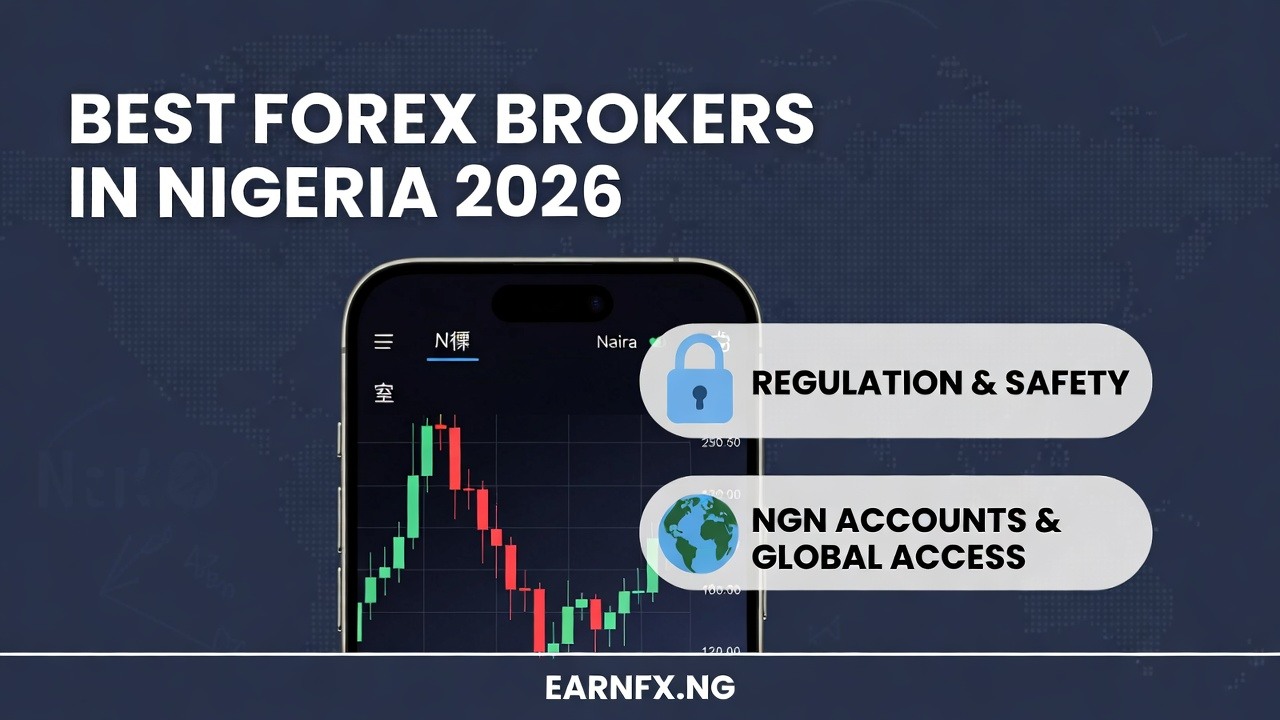
However, the path to understanding the market is often clouded by misinformation. While many are searching for the best forex brokers in Nigeria 2026, it is critical to remember that forex trading is an inherently high-risk activity. Market volatility, leverage, and the lack of a central regulatory body for retail trading in Nigeria mean that the majority of individual traders lose money. This guide is designed for educational purposes only, focusing on how to evaluate platforms responsibly, manage risks, and understand the 2026 market landscape without providing financial advice or profit guarantees.
Table of Contents
What Is Forex Trading?
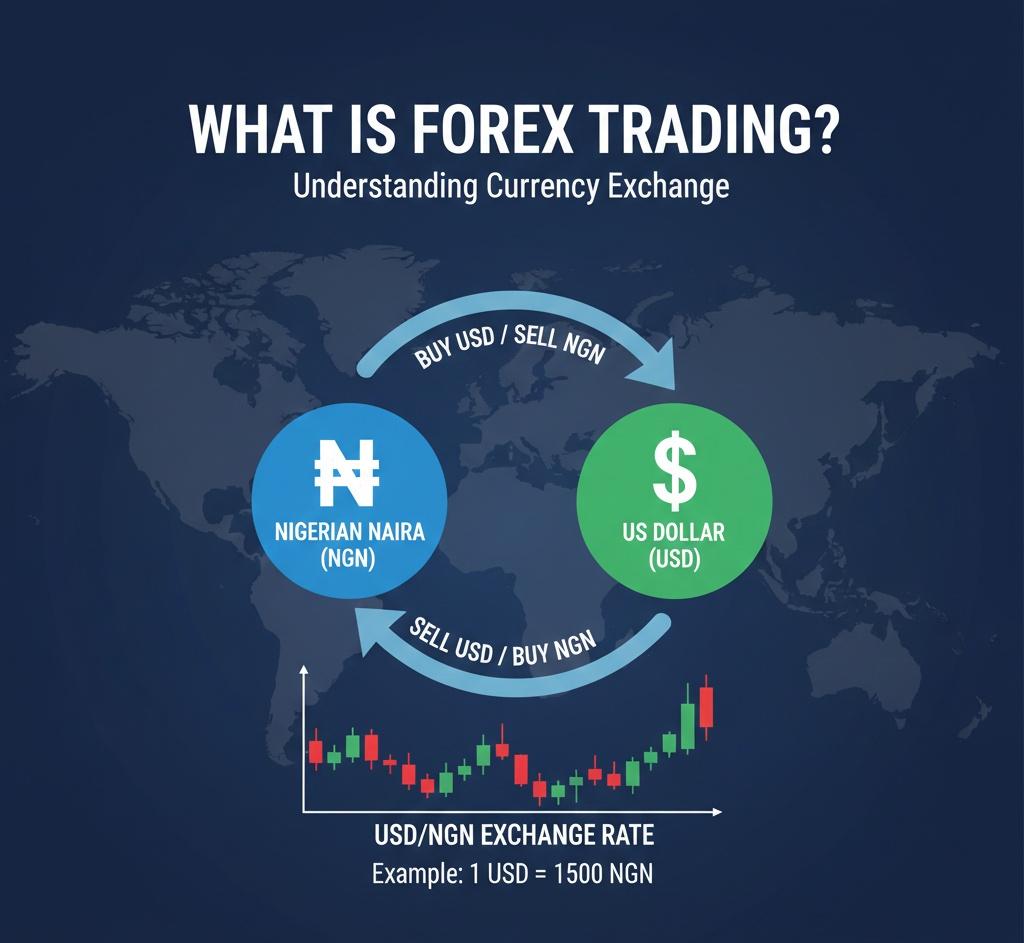
At its simplest level, forex trading is the act of exchanging one currency for another. If you have ever exchanged Nigerian Naira (NGN) for US Dollars (USD) at a bank or a Bureau de Change (BDC) to pay for an international service, you have participated in the foreign exchange market.
In the digital trading world, this happens on a global scale. Currencies are traded in pairs, such as EUR/USD or USD/NGN. The exchange rate tells you how much of the second currency is needed to buy one unit of the first. For example, if the USD/NGN rate is 1500, it means 1 US Dollar is worth 1,500 Nigerian Naira. Traders observe these rates and study economic data to understand why values fluctuate.
How Forex Trading Works
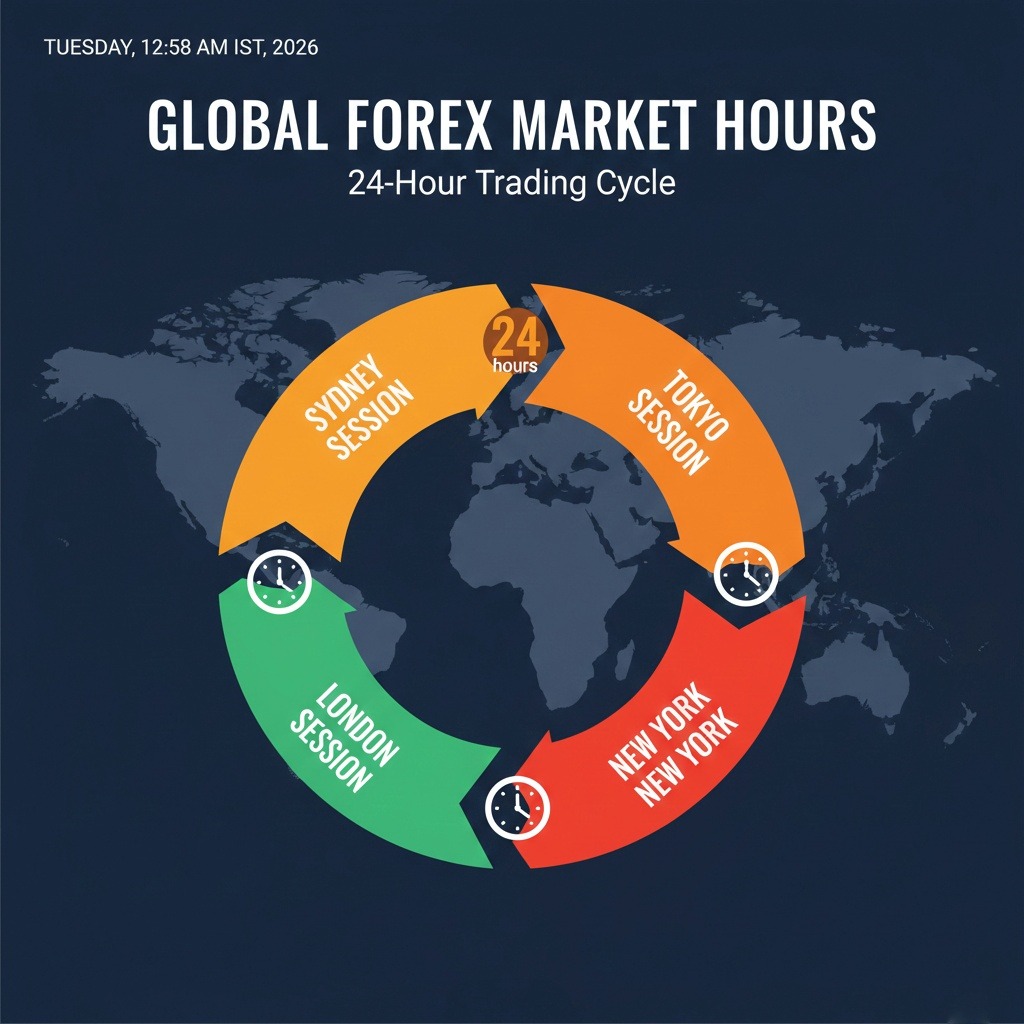
The forex market never sleeps. It operates 24 hours a day, five days a week, moving through major global financial hubs: Sydney, Tokyo, London, and New York.
Currency Pairs and Market Participants
Participants include central banks (like the Central Bank of Nigeria), large commercial banks, multi-national corporations, and individual retail traders. Because you are always trading one currency for another, you deal in “pairs.”
- Base Currency: The first currency (e.g., GBP in GBP/USD).
- Quote Currency: The second currency (e.g., USD in GBP/USD).
The Role of the Broker
A forex broker is an intermediary that provides you with a trading platform—the software used to view charts and execute trades. For Nigerians in 2026, many reputable international brokers now offer Naira (NGN) base accounts. This allows you to deposit and withdraw in your local currency, reducing the costs associated with currency conversion.
Is Forex Trading Legal in Nigeria?
As of 2026, it is legal for individuals in Nigeria to trade forex for their own account using their own capital.
Regulatory Reality
It is important to note that the Securities and Exchange Commission (SEC) of Nigeria does not currently issue licenses to local retail online forex brokers. Therefore, most Nigerian traders use “offshore” or international brokers.
- The CBN’s Role: The Central Bank of Nigeria (CBN) focuses on institutional forex, price stability, and the regulation of BDCs.
- Reporting: Legally, any income earned from international trading must be reported to the Federal Inland Revenue Service (FIRS) as capital gains.
Because there is no local “safety net” or insurance for retail trading, you must rely on the international regulation of the broker you choose.
Common Forex Trading Risks (IMPORTANT)
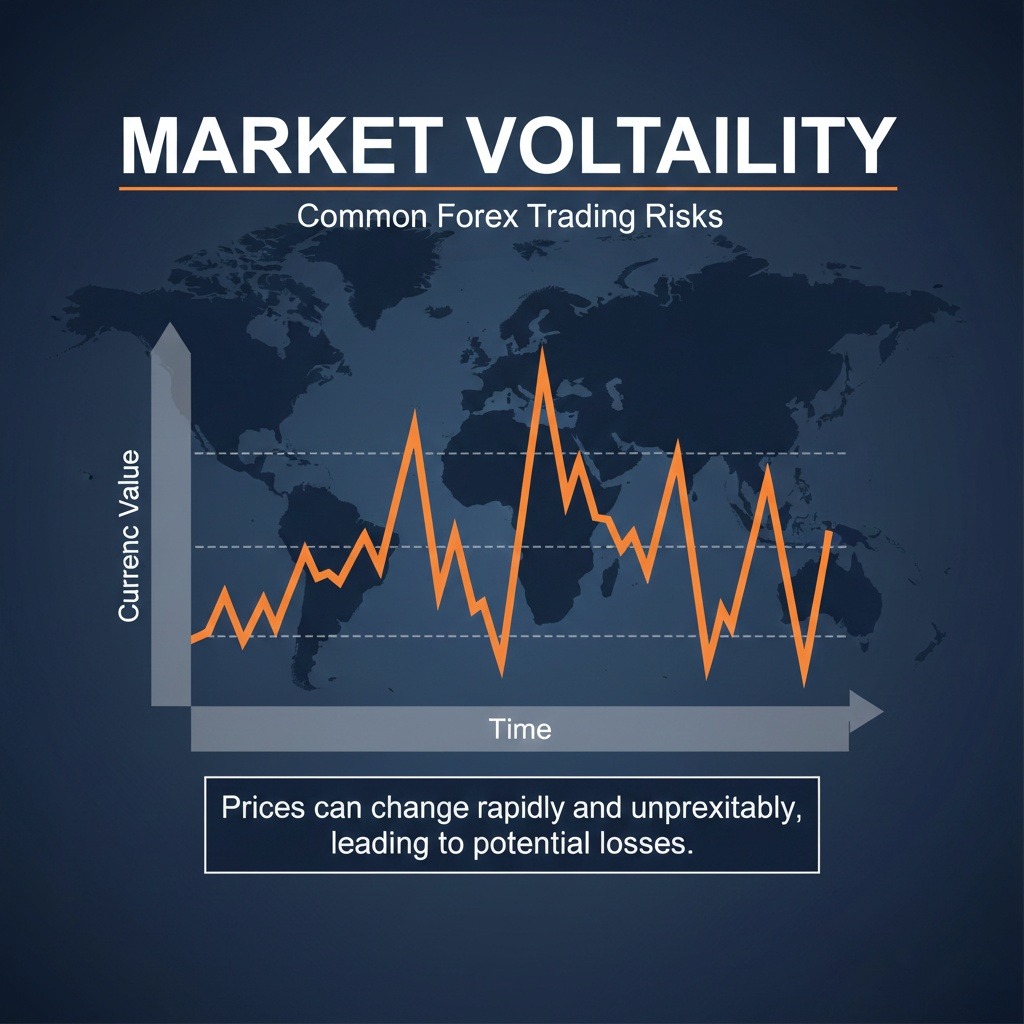
The attraction of the forex market is often balanced by significant risks. Before looking for a platform, understand these four pillars of risk:
- Market Volatility: Currency values can change drastically in seconds due to political news, interest rate changes, or economic reports.
- Leverage Risk: Leverage allows you to trade with more money than you actually have. While it can magnify a small price move, it can also lead to a total loss of your deposit within minutes if the market moves against you.
- Liquidity Risk: In times of extreme market stress, you may find it difficult to exit a trade at your desired price.
- Operational Risk: Internet outages, platform glitches, or the bankruptcy of an unregulated broker can result in the loss of funds.
Beginner Mistakes Nigerians Should Avoid
- Overtrading: Opening too many positions at once out of excitement or a desire to “make up” for a loss.
- No Risk Management: Trading without a Stop Loss (an automatic order to close a trade at a specific loss level).
- Trusting “Fake Gurus”: Paying for “guaranteed” signals on WhatsApp or Telegram. There is no such thing as a guaranteed win in forex.
- Using Unverified Platforms: Depositing money into a website just because it has a flashy “bonus” offer without checking its regulatory credentials.
Learning Forex Trading the Right Way
Education is the only sustainable path in the forex market.
Start with a Demo Account
A demo account allows you to trade with “virtual money” in real market conditions. It is the best way to learn how to use a broker’s platform without risking a single Kobo. In 2026, the best forex brokers in Nigeria provide unlimited demo accounts to help beginners practice.
Focus on Market Fundamentals
Understand how GDP, inflation, and unemployment rates affect currency values. Use reputable educational sources (like the names mentioned in our references) to build a foundation before ever considering a live trade.
How to Stay Safe From Forex Scams in Nigeria
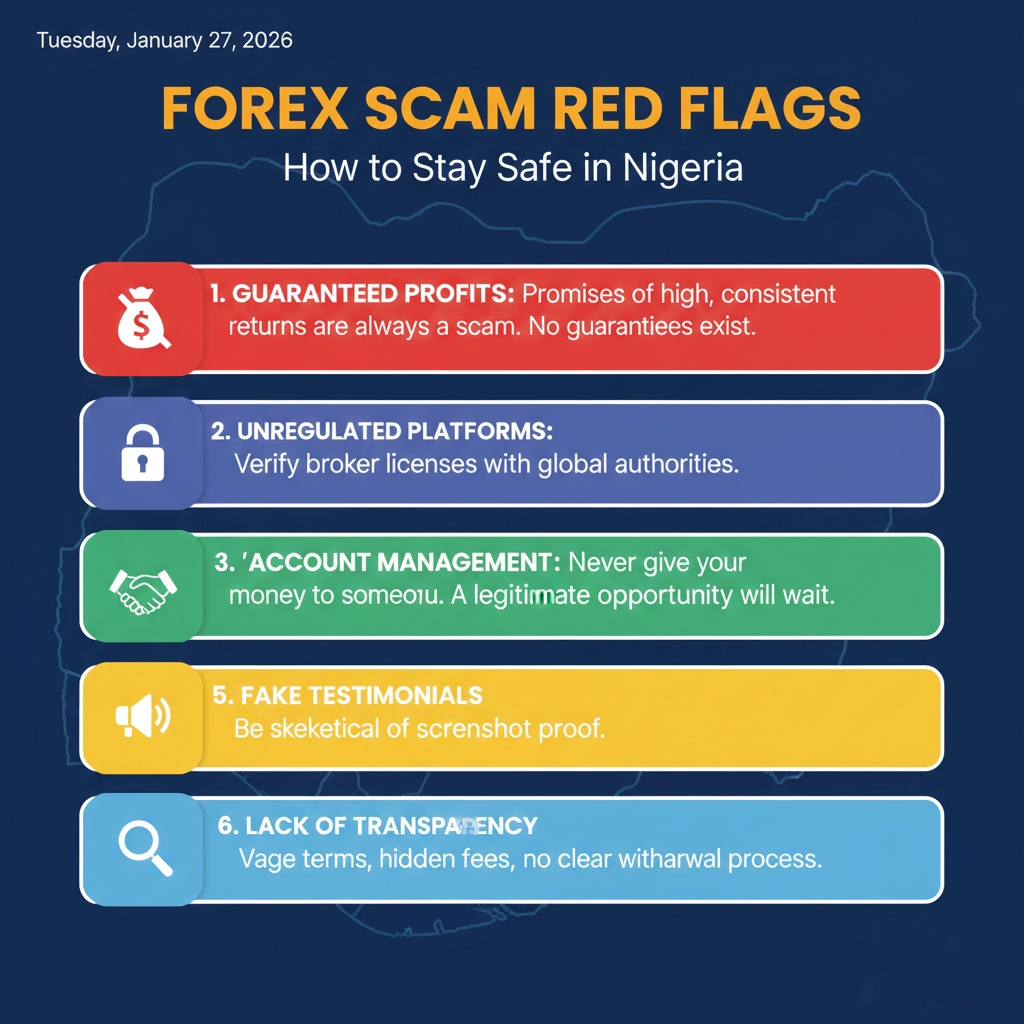
Nigeria has seen a rise in “forex investment schemes” that are actually Ponzi schemes.
Red Flags to Watch For:
- Guaranteed Returns: “Earn 30% every month” is a lie. No one can guarantee profits.
- Managed Account Requests: Never give your money to someone who says they will “trade for you.”
- Lack of Regulation: Always check if a broker is regulated by top-tier bodies like the FCA (UK), ASIC (Australia), or FSCA (South Africa).
- High-Pressure Sales: Scammers often tell you that you must “invest now” to avoid missing out.
FAQ Section
Is forex trading safe in Nigeria? Forex trading is high-risk. While it is legal, it is not “safe” in terms of capital preservation. You can lose everything you deposit.
Can beginners learn forex trading? Yes, but it is a complex skill that takes years of study. It is not a way to “get rich quick.”
How much money is needed to start learning? Learning is free. You can use educational websites and demo accounts without spending any money.
Are forex profits guaranteed? No. Profits are never guaranteed. The majority of retail traders lose money.
Do I need a license to trade? If you are trading with your own money, no. If you are collecting money from others to trade, you must be licensed by the SEC.
What is an NGN base account? It is a trading account where your balance is held in Nigerian Naira, allowing for easier local bank transfers.
Conclusion
The search for the best forex brokers in Nigeria 2026 should be a cautious one. Success in this field is not measured by finding a “winning signal” but by a commitment to lifelong learning and disciplined risk management.
By prioritizing platforms that offer NGN accounts, strong international regulation, and extensive educational resources, you can explore the forex market responsibly. Always remember that the money you trade should only be capital you can afford to lose.