
Introduction
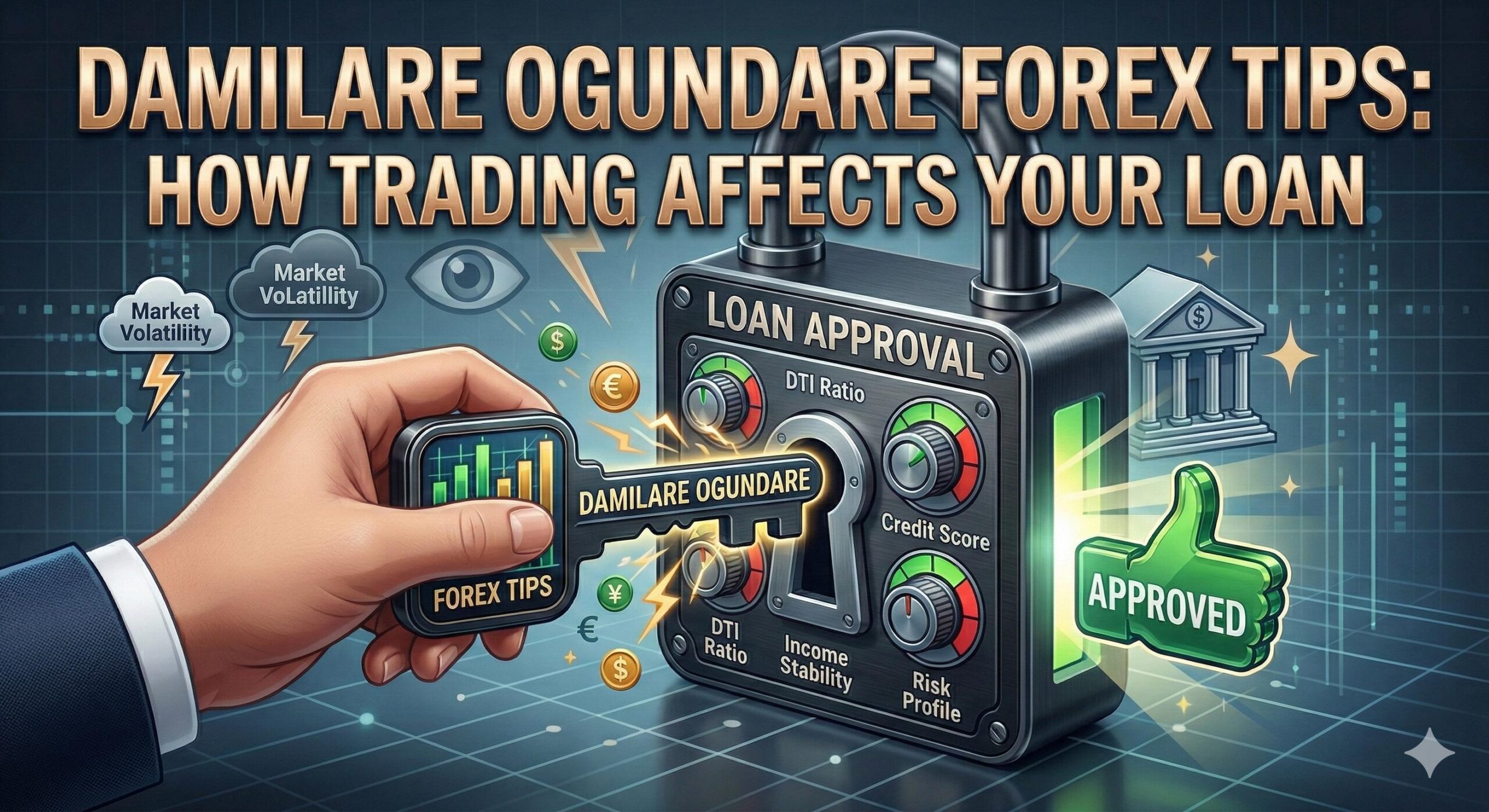
If you are trying to improve your financial situation, you might have come across the search term Damilare Ogundare forex tips. Simply put, this refers to the currency trading strategies, risk management rules, and financial education shared by Damilare Ogundare, a highly popular forex trader and educator. Many borrowers, salaried workers, and individuals facing financial stress search for these tips because they are looking for a way to generate extra income to pay off existing debts, boost their credit scores, or qualify for better personal loans. However, the success and safety of these financial concepts are heavily affected by extreme market volatility, your personal emotional discipline, and strict rules for protecting your money.
At LoanRejectionHelp.com, our goal is to help you build real financial stability and avoid the pain of loan rejection. While learning about global currencies can improve your financial literacy, relying on high-risk trading to fix a broken credit profile—or worse, taking out a loan to trade—is extremely dangerous.

In this guide, we will clearly explain the financial concepts behind these popular trading tips, how lenders actually view trading income, and the simple steps you must take to protect your loan eligibility.
Disclaimer: The information provided in this article is for educational and informational purposes only. It does not constitute financial, investment, or legal advice. Forex trading involves a high level of risk and may not be suitable for all investors. Furthermore, LoanRejectionHelp.com strongly discourages using borrowed funds or personal loans for high-risk investments. Always consult with a certified financial advisor before making any major financial or borrowing decisions.
Table of Contents
1. What Are the Core “Damilare Ogundare Forex Tips”?

To understand why this topic is so relevant to personal finance, we must first break down the educational concepts behind Damilare Ogundare’s approach to the foreign exchange market. Unlike aggressive “get-rich-quick” promotions, his foundational teachings usually center around treating trading as a strict financial discipline.
Here is a breakdown of the primary financial concepts involved:
A. Prioritizing Financial Education Before Execution
One of the most foundational Damilare Ogundare forex tips is that market knowledge must precede market participation. The forex market is the largest financial market in the world, with trillions of dollars exchanged daily. Understanding fundamental analysis (how global news, interest rates, and inflation affect currency value) and technical analysis (reading charts and price action) is mandatory. Without this education, trading is functionally identical to gambling, which is a massive red flag for your personal financial stability.
B. Strict Risk Management and Capital Preservation
In the financial world, preserving your capital is more important than making massive profits. A key concept taught by professional traders is the “1% to 2% Rule.” This means a trader should never risk more than 1% or 2% of their total account balance on a single trade.
- Why it matters: If you have a $1,000 account and risk 2% ($20) per trade, you would have to lose 50 times in a row to deplete your account. Proper risk management ensures longevity in the market.
C. Mastering Trading Psychology
Financial markets are driven by human emotion—specifically fear and greed. A major component of forex education is emotional discipline. The inability to control emotions leads to “revenge trading” (trying to win back lost money immediately) or over-leveraging (borrowing too much money from a broker to multiply potential gains, which also multiplies losses).
D. Avoiding Over-Leverage
Leverage in forex allows traders to control large positions with a relatively small amount of capital. While this sounds appealing, it is a double-edged sword. Using excessive leverage is one of the primary reasons retail traders lose their money. Professional tips always emphasize keeping leverage low to avoid margin calls—a situation where the broker closes your trades automatically because your account balance has dropped too low.
2. Why Borrowers Look Up Forex Tips (And The Associated Risks)

Many first-time borrowers, salaried workers, and self-employed professionals turn to Damilare Ogundare forex tips when they are facing a financial squeeze. They might be dealing with a low credit score, high existing debt, or a recent loan rejection, and they view forex trading as a potential way out.
However, this creates a dangerous intersection between trading and borrowing. Here are the common scenarios:
- Seeking Alternative Income: A borrower wants to show a higher income on their loan application to qualify for a mortgage or auto loan, so they attempt to generate side income through trading.
- Debt Repayment: An individual hopes to use forex profits to quickly pay down high-interest credit cards or personal loans to improve their Debt-to-Income (DTI) ratio.
- The Capital Trap (High Risk): An individual applies for a personal loan specifically to use as trading capital, hoping the returns will outpace the loan’s interest rate.
Important Note: Taking out a loan to fund a high-risk investment like forex is one of the most dangerous financial decisions you can make. If the market moves against you, you will lose the trading capital and still be legally obligated to repay the loan with interest, leading to severe debt spirals and credit destruction.
3. How Lenders View Forex Trading Income
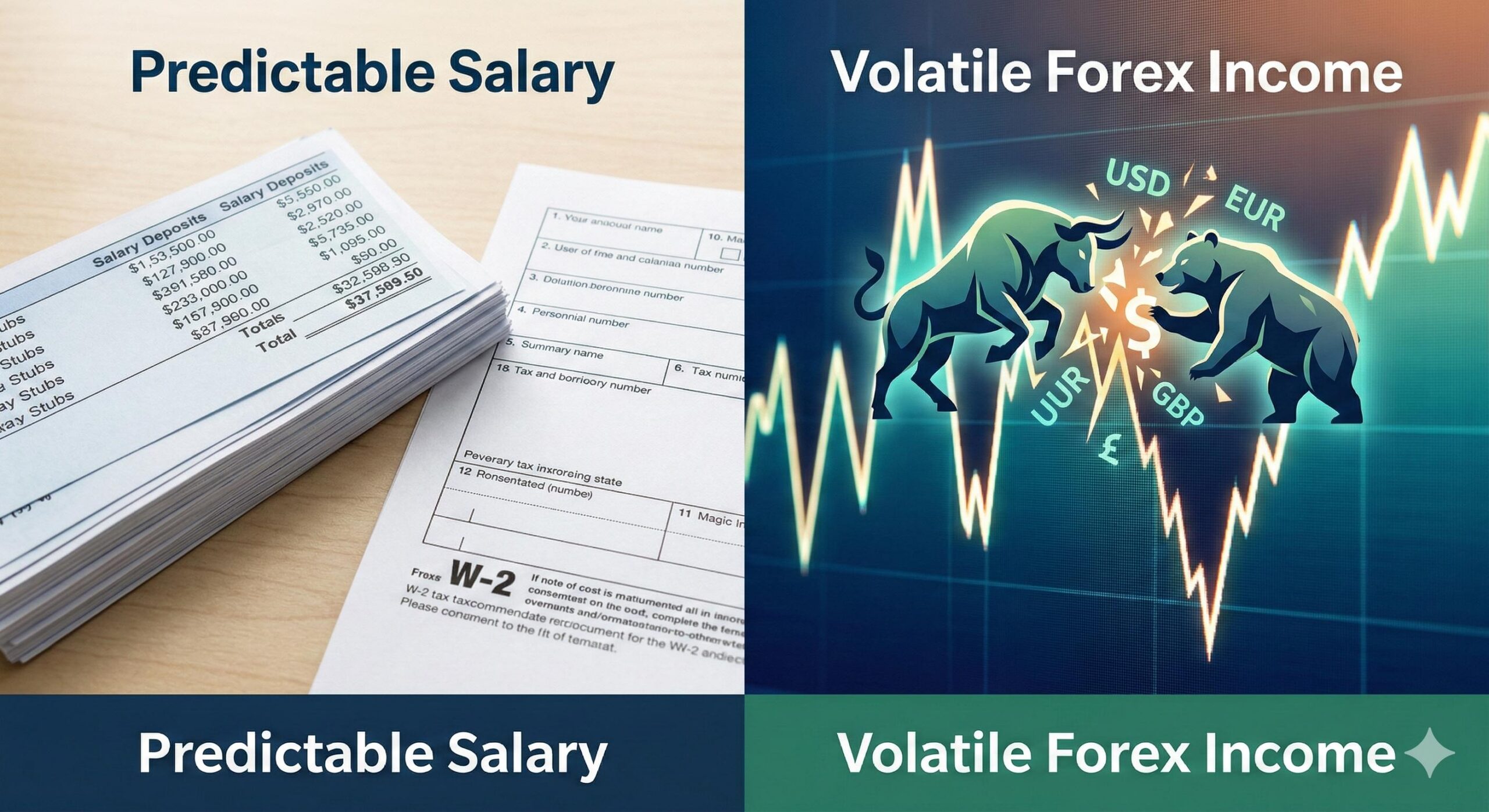
If you are using Damilare Ogundare forex tips successfully and generating an income, you might wonder if this helps you get a loan approved. The reality of underwriting (the process lenders use to evaluate your loan application) is very strict when it comes to trading income.
Banks and financial institutions prioritize stability and predictability.
The Challenge of Proving Trading Income
If you are a salaried individual, your income is verified easily via pay stubs and steady bank deposits. If you are a self-employed professional relying on forex trading, proving your income is much harder. Lenders view trading as highly volatile.
To even have forex income considered for a loan approval, you typically need:
- Two Years of Tax Returns: Lenders want to see a minimum of two consecutive years of profitable trading claimed on your official tax documents.
- Consistent Bank Statements: Showing a massive profit one month and a loss the next makes lenders nervous. They look for consistent, steady withdrawals from your trading account to your primary bank account.
- CPA Verification: Many banks will require a letter from a Certified Public Accountant (CPA) verifying your trading business and financial health.
Comparing Income Types for Loan Approval
| Income Characteristic | Standard Salaried Income | Forex Trading Income | Lender’s Viewpoint |
| Predictability | High (Fixed monthly amount) | Low (Fluctuates daily/monthly) | Prefers salaried income. |
| Documentation | Pay slips, W-2s, direct deposits | Tax returns, broker statements, CPA letters | Trading requires deeper, stricter verification. |
| Risk of Loss | Low (Unless terminated) | High (Market volatility, capital loss) | Trading is viewed as a high-risk factor. |
| Impact on DTI | Easily calculated | Difficult to average out accurately | Lenders may only count a fraction of trading profits. |
4. Key Reasons Forex Traders Face Loan Rejection

If you are applying for credit and your primary or secondary income is derived from the financial markets, you may face hurdles. Understanding these loan rejection factors can help you prepare a stronger application.
A. The “Purpose of Loan” Disclosure
When you apply for a personal loan, the lender will ask what the money is for. Acceptable answers include debt consolidation, home improvement, or medical emergencies. If you state that the loan is for “investing,” “forex trading,” or “business capital for day trading,” your application will almost certainly face an instant rejection. Lenders explicitly prohibit the use of unsecured personal loans for speculative investments.
B. High Debt-to-Income (DTI) Ratio
If you have taken losses in the market or have leveraged credit cards to fund your trading education or software, your debt levels may be artificially high. If your monthly debt payments consume more than 35% to 40% of your verifiable gross monthly income, lenders will reject your application, regardless of how good your trading strategy is.
C. Co-mingling of Funds
Many beginner traders make the mistake of mixing their personal living expenses with their trading capital in the same bank account. When a lender reviews your bank statements during the underwriting process, seeing massive, erratic deposits and withdrawals to offshore forex brokers triggers risk alerts. Lenders may interpret this as financial instability or even a gambling habit.
5. Financial Literacy: Building Real Credit Beyond Trading
While learning about global economies through Damilare Ogundare forex tips can boost your overall financial literacy, relying on it to fix a broken credit profile is the wrong approach. True financial health and high loan approval odds are built on boring, consistent habits.

Here is how you can improve your credit score and avoid loan rejection, regardless of whether you trade or not:
- Establish an Emergency Fund: Before you invest a single dollar in the forex market, you should have 3 to 6 months of living expenses saved in a high-yield savings account. This prevents you from needing high-interest payday loans in an emergency.
- Separate Your Finances: If you choose to trade, open a completely separate checking account dedicated solely to funding your broker. Never link your primary salary or mortgage-paying account directly to a high-risk investment platform.
- Pay Down Existing Debt: Focus on lowering your credit card utilization (the amount of credit you are using compared to your total limit). Keeping this number below 30% is one of the fastest ways to boost your credit score.
- Focus on Primary Income: If you want a mortgage or a large business loan, prioritize stabilizing your primary source of income (your job or traditional business). Let any trading income act strictly as supplementary wealth-building, rather than the core income you report to lenders.
Comprehensive Firepips Forex Academy Review: Can Trading Improve Your Financial Health?
Conclusion
Understanding Damilare Ogundare forex tips provides a valuable look into the complex world of currency trading, highlighting the importance of risk management, emotional discipline, and financial education. However, as an applicant navigating the world of personal credit, mortgages, and business loans, it is vital to separate speculative trading from your core financial profile.
Banks and lenders value stability, consistency, and low risk. Using borrowed money to trade is a surefire path to loan rejection and financial distress. Instead, apply the discipline required for successful trading—patience, risk management, and careful planning—to your personal finances to build a robust, loan-ready credit profile.